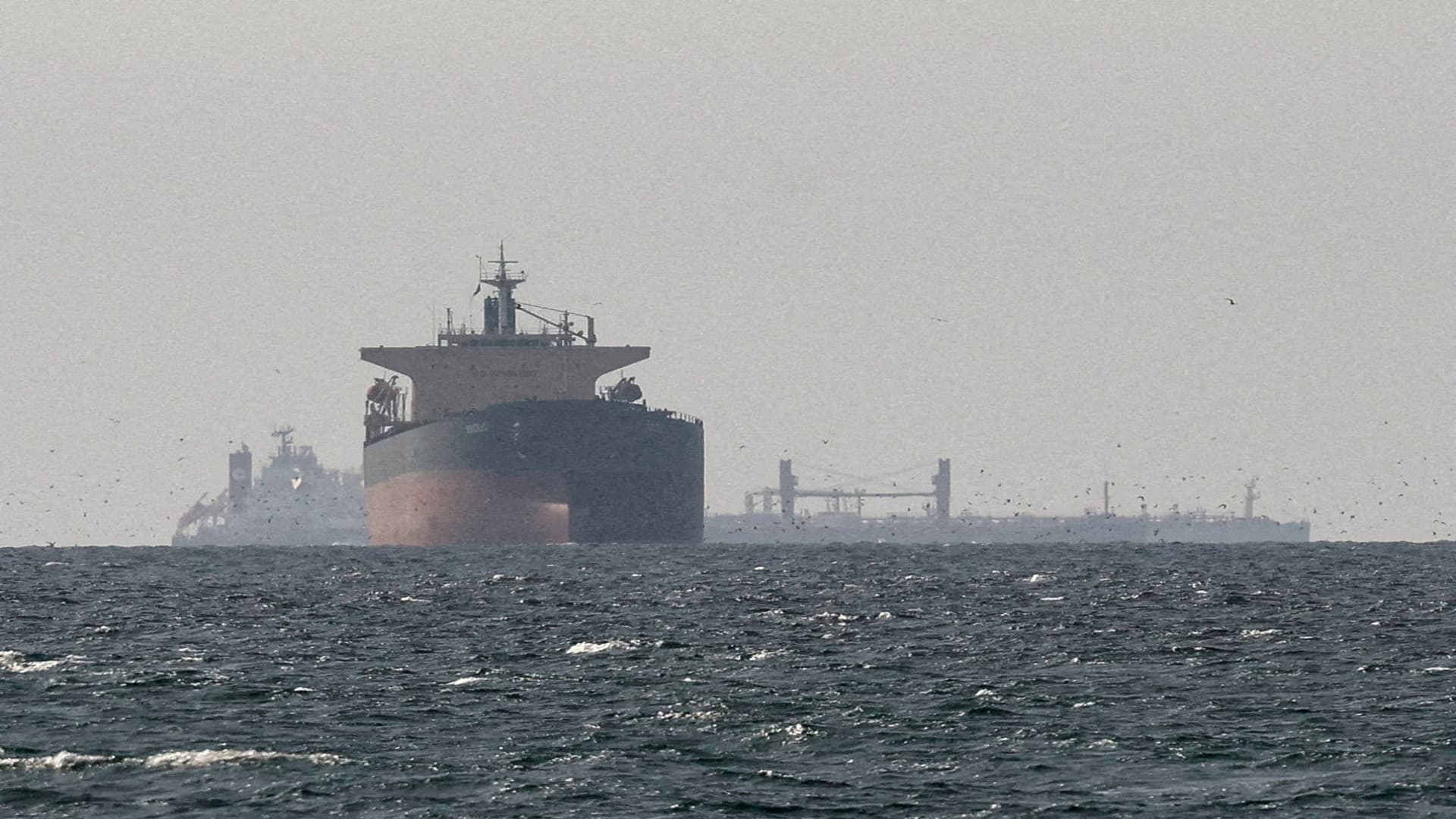
Energy Markets Surge as Strait of Hormuz Tensions Reach Boiling Point
Global crude oil prices experienced a sharp upward trajectory this week as escalating maritime hostilities in the Strait of Hormuz triggered widespread concerns regarding the stability of international energy supplies. West Texas Intermediate futures for May delivery saw a notable 7% increase, reaching $89.74 per barrel, while Brent crude for June delivery rose by nearly 5.8% to $95.59. The region remains a critical artery for global oil transit, and the intensifying military posturing between the United States and Iran has left investors on high alert.
The volatility follows a series of aggressive encounters over the weekend, including reports of Iranian Revolutionary Guard vessels firing upon a tanker and a separate projectile strike on a container ship. In response, the U.S. Navy intercepted an Iranian container ship in the Gulf of Oman, with Marines boarding the vessel to enforce existing naval blockades. This direct confrontation has significantly heightened regional friction and stalled diplomatic channels.
Prospects for a peaceful resolution appear increasingly dim as Iranian officials have rejected participation in upcoming negotiations in Islamabad, citing the ongoing naval blockade as a primary barrier. With Tehran threatening to keep the Strait of Hormuz closed to commercial traffic until the blockade is lifted, the energy sector is preparing for a period of sustained market volatility. As military maneuvers persist in this vital chokepoint, the global economy remains vulnerable to any further signs of escalation that could disrupt the steady flow of crude oil.
Key Takeaways
- Crude oil prices spiked significantly, with WTI reaching $89.74 and Brent hitting $95.59 per barrel.
- Military tensions have escalated following direct naval confrontations and the boarding of vessels in the Gulf of Oman.
- Iran has threatened to maintain the closure of the Strait of Hormuz to commercial traffic until current naval blockades are removed.
Editor’s Analysis & Impact
The current situation in the Strait of Hormuz represents a high-stakes geopolitical standoff that directly threatens the global energy supply chain. Because a significant percentage of the world’s daily oil production passes through this narrow chokepoint, any prolonged closure or military interference creates an immediate supply shock, forcing prices upward. The breakdown in diplomatic negotiations suggests that the market should prepare for a ‘risk premium’ to remain baked into oil prices for the foreseeable future. If the blockade persists, we may see secondary effects, including increased shipping insurance costs and potential inflationary pressure on global consumer goods. Investors should monitor the situation for signs of de-escalation or, conversely, any expansion of the conflict that could draw in regional allies, which would likely trigger even greater market instability.
Frequently Asked Questions
Q: Why is the Strait of Hormuz so important to global oil prices?
A: The Strait of Hormuz is a vital maritime chokepoint through which a significant portion of the world's total oil production is transported. Any disruption here threatens the global supply, leading to immediate price volatility.
Q: What is the primary cause of the current market surge?
A: The surge is driven by fears of supply chain disruptions caused by escalating military confrontations between the U.S. and Iran, including naval blockades and the targeting of commercial vessels.
AI Disclosure: This article is based on verified data and official reports. Our Team and AI have cross-referenced every financial detail with primary sources to ensure total accuracy.
More from this Category