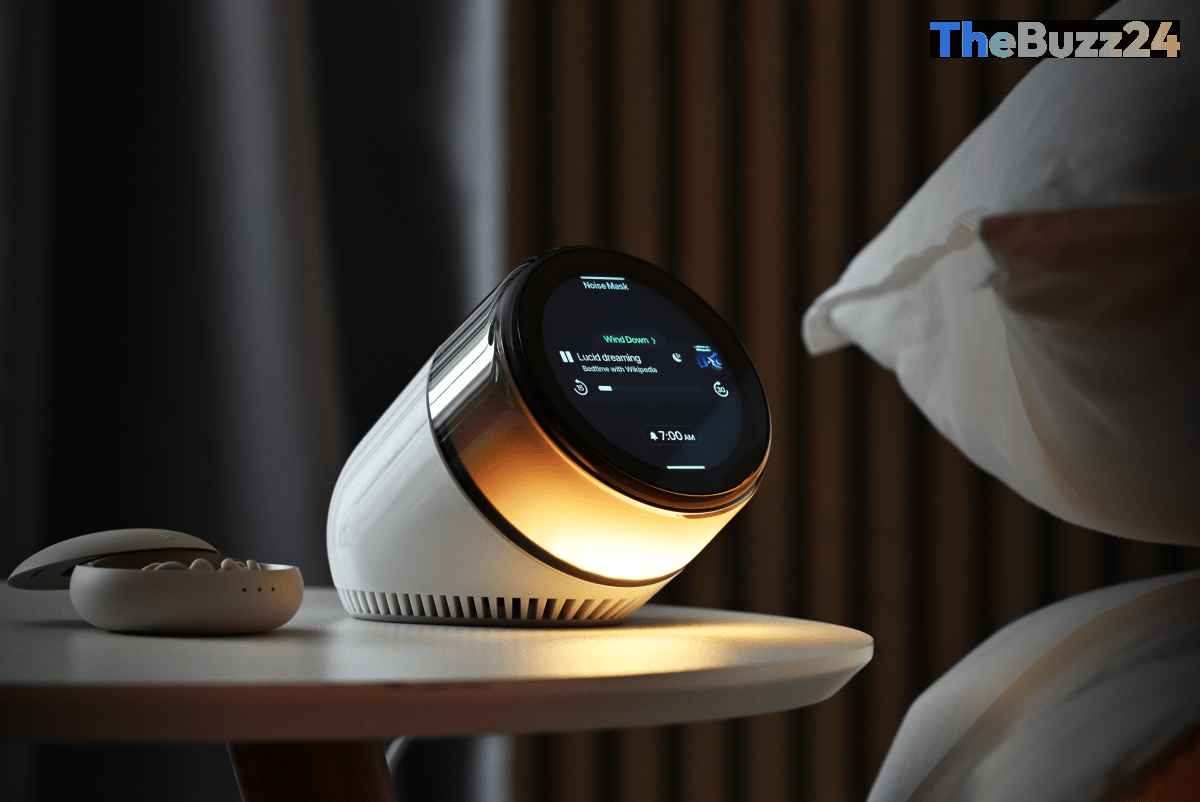
Reclaiming Rest: How the Dreamie Alarm Clock Aims to End Smartphone Dependency
The modern habit of using a smartphone as a bedside companion has become a significant barrier to quality sleep. By checking notifications or scrolling through social media immediately before bed and upon waking, many individuals inadvertently disrupt their circadian rhythms and increase pre-sleep anxiety. The Dreamie alarm clock has entered the market as a dedicated hardware solution, designed to replace the smartphone in the bedroom and restore a healthier sleep environment.
Functioning as a comprehensive sleep assistant, the Dreamie offers a suite of features aimed at both falling asleep and staying asleep. Its ‘wind down’ mode uses ambient lighting and soothing sounds, such as crackling fires, to prepare the body for rest. Once the user is asleep, the device switches to a noise-masking mode, playing consistent background audio like thunderstorms to block out external disturbances. A standout feature is the ‘back to sleep’ mode, which allows users to listen to pre-selected podcasts or audio content directly through the device, removing the need to reach for a phone during middle-of-the-night wakeups.
Technologically, the Dreamie utilizes Wi-Fi and RSS feed architecture to stream content independently, eliminating the need for a smartphone interface. Priced at $250, the device positions itself as a premium, distraction-free alternative to standard smart home gadgets. Notably, it avoids the common industry trend of subscription-based models or complex app requirements, opting instead for a straightforward, intuitive interface that prioritizes user privacy and simplicity.
By providing a dedicated space for audio entertainment and sleep management, the Dreamie encourages users to physically remove their smartphones from the bedroom. This shift not only addresses the psychological urge to engage with digital content but also fosters a more disciplined approach to sleep hygiene. As consumers become increasingly aware of the impact of blue light and digital stimulation on their health, specialized hardware like the Dreamie represents a growing trend toward ‘analog-first’ bedroom environments.
Key Takeaways
- The Dreamie alarm clock is designed to eliminate smartphone use in the bedroom by providing a dedicated, distraction-free sleep environment.
- The device features specialized modes for winding down, noise-masking, and listening to audio content without requiring a smartphone connection.
- The product operates on a one-time purchase model with no subscription fees, utilizing Wi-Fi and RSS feeds to stream content independently.
Editor’s Analysis & Impact
The emergence of the Dreamie alarm clock highlights a growing consumer movement toward ‘digital minimalism’ and the intentional separation of technology from personal wellness. As sleep hygiene becomes a prioritized health metric, the market is seeing a shift away from multi-purpose devices—which often serve as sources of distraction—toward single-purpose hardware that solves specific lifestyle problems. The success of this product will likely depend on whether consumers are willing to pay a premium for hardware that effectively replaces a function already provided by their smartphones. If successful, this could signal a broader trend in the smart home industry where ‘dumb’ or ‘focused’ devices gain traction over complex, data-hungry ecosystems. The lack of subscription fees is a strategic differentiator that appeals to privacy-conscious users, potentially setting a new standard for hardware-as-a-service alternatives.
Frequently Asked Questions
Q: Does the Dreamie alarm clock require a smartphone app to function?
A: No, the Dreamie is designed to operate independently of a smartphone, utilizing its own interface and Wi-Fi connectivity to stream content.
Q: Are there ongoing subscription costs for the Dreamie?
A: No, the device does not require any subscription fees, making it a one-time purchase for the user.
AI Disclosure: This article is based on verified data and official reports. Our Team and AI have cross-referenced every financial detail with primary sources to ensure total accuracy.
More from this Category