Burkina Faso Officially Severs Diplomatic Ties with France
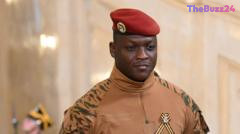
The military government of Burkina Faso has formally terminated diplomatic relations with France, citing what it describes as persistent interference in its national affairs. This move marks a significant escalation in the deteriorating relationship between the West African nation and its former colonial ruler, a trend that has accelerated since Captain Ibrahim Traoré assumed power following a 2022 coup.
In a televised address, Communications Minister Pingdwendé Gilbert Ouédraogo accused Paris of engaging in ‘ceaseless activism’ and harboring ‘neo-colonial ambitions’ aimed at undermining Burkina Faso’s sovereignty. The government alleged that France has been supporting subversive networks to marginalize the nation on the global stage. While the junta emphasized that this decision is strictly institutional and does not target the cultural or human bonds between the two populations, it effectively ends the formal diplomatic framework that has existed for decades.
France has dismissed these allegations as ‘hostile and unfounded,’ characterizing the move as a troubling shift in the Burkinabe government’s trajectory. This development follows a series of escalations, including the expulsion of French troops and diplomats over the past two years. As Burkina Faso continues to battle a long-standing Islamist insurgency, the administration has increasingly pivoted its strategic partnerships toward Russia and China, signaling a definitive departure from its traditional Western alliances.
This diplomatic rupture coincides with broader regional shifts, as Burkina Faso, alongside Mali and Niger, has withdrawn from the regional bloc ECOWAS to establish the Alliance of the Sahel States. With the junta having reneged on previous promises to restore democratic governance and the formal dissolution of political parties, the nation appears to be solidifying its isolation from Western institutional influence.
Key Takeaways
- Burkina Faso has officially severed diplomatic ties with France, citing alleged neo-colonial interference.
- The decision follows a period of increasing tension, including the expulsion of French troops and diplomats since the 2022 coup.
- Burkina Faso is shifting its geopolitical alignment toward Russia and China while forming the new Alliance of the Sahel States with Mali and Niger.
Editor’s Analysis & Impact
The severance of diplomatic ties between Burkina Faso and France represents a pivotal moment in the geopolitical landscape of the Sahel. This move is not an isolated incident but part of a broader trend of ‘de-Westernization’ across West Africa, where military-led governments are actively dismantling colonial-era institutional frameworks. By aligning with alternative powers like Russia, these regimes are seeking to secure their domestic authority while distancing themselves from Western human rights and democratic conditionality. The long-term implications are significant: the loss of French diplomatic and military presence creates a security vacuum that may exacerbate the ongoing Islamist insurgency. Furthermore, the formation of the Alliance of the Sahel States suggests a permanent shift toward a regional bloc that prioritizes sovereignty over international cooperation, likely leading to increased economic and political volatility in the region for the foreseeable future.
Frequently Asked Questions
Q: Why did Burkina Faso sever ties with France?
A: The Burkinabe government claims that France has been acting against its national interests, engaging in 'neo-colonial' activities, and supporting subversive networks to marginalize the country.
Q: Does this decision affect the people of Burkina Faso and France?
A: The government stated that the decision is limited to the institutional and diplomatic framework and does not intend to sever the historical, human, and cultural ties between the two populations.
AI Disclosure: This article is based on verified data and official reports. Our Team and AI have cross-referenced every financial detail with primary sources to ensure total accuracy.
More from this Category