Burnham’s Landslide Victory Ignites Labour Leadership Speculation, Rattling UK Markets
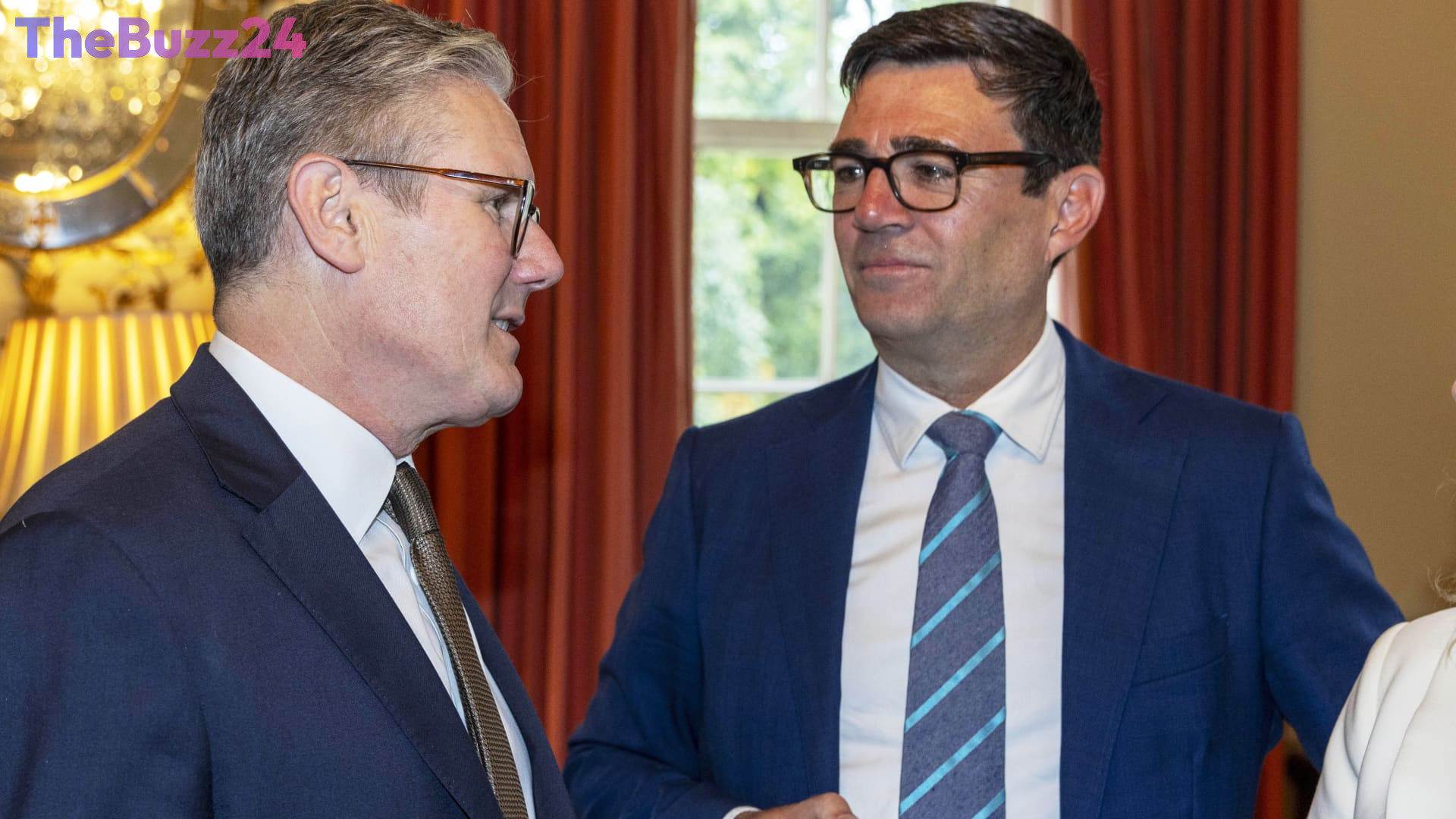
Andy Burnham, the former Greater Manchester mayor, has secured a decisive victory in a recent special election for the British parliament, a win that immediately positions him as a potential challenger to Prime Minister Keir Starmer’s leadership of the Labour party. This electoral success, where Burnham defeated the Reform U.K. party with nearly 55% of the vote in Makerfield, north-west England, has set the stage for significant political upheaval.
Burnham’s path to potentially challenging Starmer could materialize as early as next week, once he is formally sworn in as a Member of Parliament. To initiate a leadership contest, he would need the backing of at least 81 Labour lawmakers. A prominent figure often referred to as Labour’s “King in the North,” Burnham used his victory speech to emphasize his commitment to neglected communities, stating Makerfield was a “touchstone” rather than a mere “stepping stone.” He also hinted at a broader vision, speaking of building a “new politics, based on unity and hope” and steering the country away from divisive political paths.
However, Burnham’s victory has not been without immediate market repercussions, particularly concerning the UK’s fiscal discipline. Official data released concurrently revealed an unexpected surge in UK public borrowing, with the Office for Budget Responsibility reporting a budget deficit of £23.3 billion ($30.8 billion) in May – the highest for that month in six years and significantly above economists’ forecasts. This backdrop has led to a jump in UK gilt yields, with the benchmark 10-year Gilts rising over 8 basis points to 4.8394% on Friday, reflecting investor apprehension.
Market analysts are closely monitoring whether a potential Burnham government would adhere to Labour’s existing fiscal rules and if his policy agenda might exacerbate inflationary pressures. While Burnham has recently sought to reassure investors, rowing back on previous comments about the UK being “in hock to the bond markets,” experts like Kallum Pickering, chief economist, anticipate an “inflation premium” in UK government bonds. Matthew Ryan, head of market strategy, further warned that markets might be underestimating the risk of Burnham testing the UK’s fiscal rules, suggesting potential “downside on U.K. assets” given the limited fiscal headroom.
Key Takeaways
- Andy Burnham's special election win positions him for a potential Labour leadership challenge against Prime Minister Keir Starmer.
- The prospect of a new leadership has raised concerns among investors regarding UK fiscal discipline and potential inflationary pressures.
- UK gilt yields jumped following the news, coinciding with an unexpected rise in public borrowing, signaling market uncertainty.
Editor’s Analysis & Impact
Andy Burnham’s decisive special election victory introduces a significant layer of political uncertainty into the UK landscape, with immediate implications for financial markets. The potential for a Labour leadership challenge could lead to increased volatility in UK assets, particularly government bonds (Gilts) and the sterling, as investors seek clarity on future fiscal policy. A prolonged leadership contest or a shift towards less fiscally conservative policies under a new leader could further pressure borrowing costs and inflation. This situation underscores the delicate balance between political stability and economic confidence, especially at a time when the UK’s public borrowing is already unexpectedly high. The market’s reaction highlights the critical importance of a clear and consistent economic strategy from any prospective government.
Frequently Asked Questions
Q: Who is Andy Burnham and why is his recent election win significant?
A: Andy Burnham is a prominent figure in the Labour party and former Mayor of Greater Manchester. His recent landslide victory in a special election for the British parliament is significant because it provides him with a platform to potentially challenge Keir Starmer for the leadership of the Labour party, introducing a new dynamic into UK politics.
Q: What are 'gilt yields' and why did they jump after the news?
A: Gilt yields refer to the return investors receive on UK government bonds. They jumped because the prospect of a new political leadership, coupled with an unexpected rise in public borrowing, created uncertainty among investors. This uncertainty often leads investors to demand a higher return (yield) for lending money to the government, reflecting increased perceived risk or potential inflationary pressures.
Q: How might this political development impact the UK economy?
A: This development could impact the UK economy by creating market volatility, particularly in government bond markets and the value of the sterling. Concerns about potential shifts in fiscal policy, government spending, and borrowing under a new leadership could lead to higher borrowing costs for the government and potentially contribute to inflationary pressures, depending on the economic agenda pursued.
AI Disclosure: This article is based on verified data and official reports. Our Team and AI have cross-referenced every financial detail with primary sources to ensure total accuracy.
More from this Category