California Governor Takes Proactive Stance on AI Regulation with New Executive Order
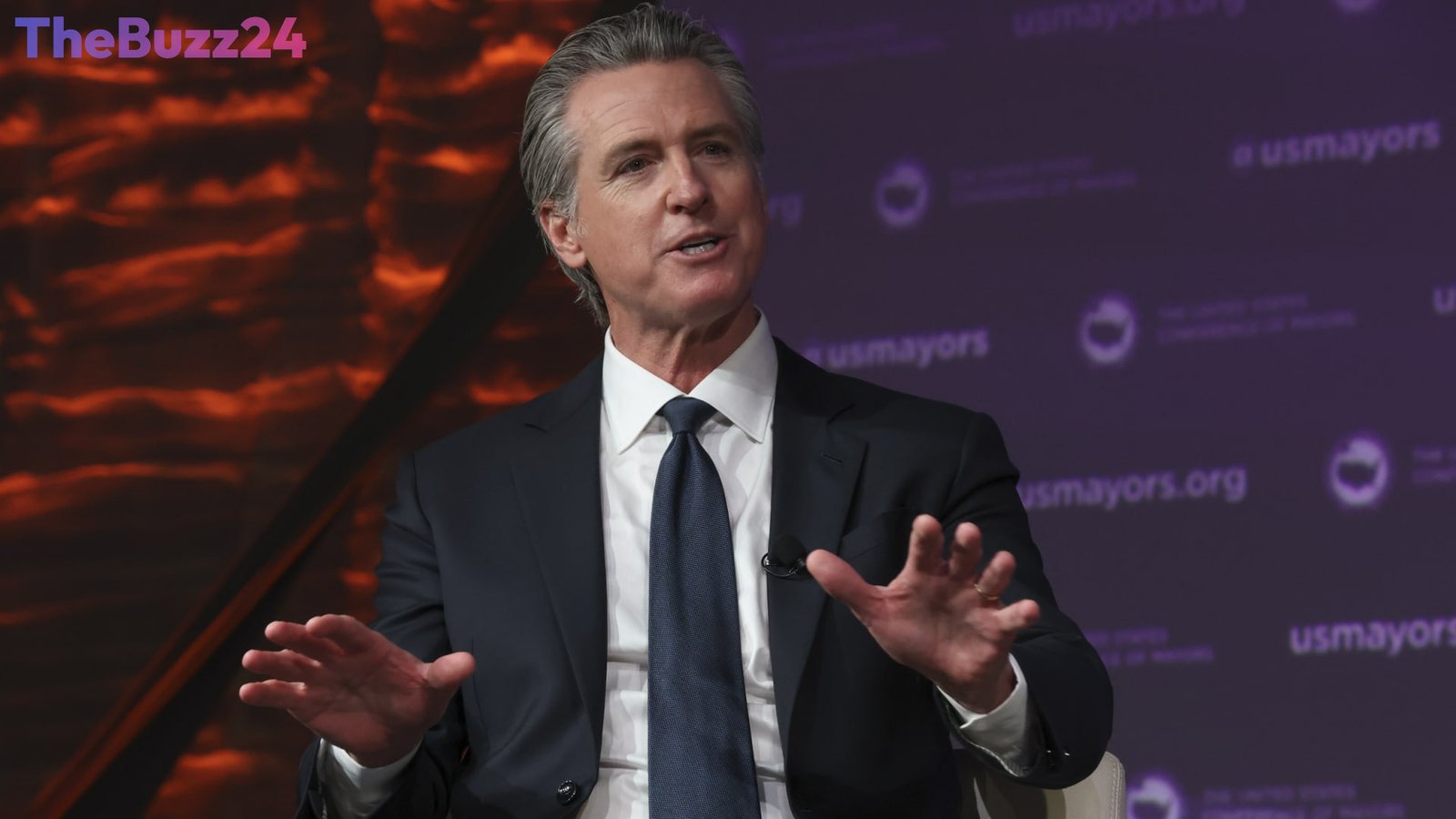
Governor Gavin Newsom of California has signed an executive order designed to proactively address the burgeoning risks associated with artificial intelligence. This directive mandates the formation of an expert task force tasked with developing recommendations to bolster the state’s existing AI safety legislation. The move comes amid growing concerns nationwide and in Washington regarding the rapid advancement of AI technologies and their potential societal impacts.
Newsom has been a vocal critic of what he perceives as federal inaction on AI regulation. He stated that the federal government is failing in its duty to safeguard citizens from the potential dangers of this transformative technology. The executive order aims to accelerate California’s efforts in establishing robust and responsible AI oversight, emphasizing the urgency due to the high stakes involved. The governor stressed that the state will proceed with thoughtful yet swift action to implement necessary safeguards.
The newly formed expert group is expected to deliver a comprehensive guide for strengthening California’s AI safety and security laws within two months. Potential enhancements could include mandates for independent third-party assessments of advanced AI models and the requirement for companies to implement emergency shutdown mechanisms, often referred to as ‘kill switches,’ for their systems. This initiative positions California as a leader in developing a comprehensive regulatory framework for AI, potentially setting a national standard.
This action by Governor Newsom highlights a growing divergence in approaches to AI regulation, with state-level initiatives taking a more aggressive stance compared to the perceived federal hesitancy. While some political figures have dismissed AI safety concerns, others, including California’s governor, are pushing for stricter guardrails and accountability for AI developers and deployers.
Key Takeaways
- California Governor Gavin Newsom has issued an executive order to establish a framework for AI regulation within the state.
- An expert team will be formed to recommend enhancements to California's AI safety and security laws within two months.
- The order signals California's intent to lead in AI governance amid perceived federal inaction.
Editor’s Analysis & Impact
Governor Newsom’s executive order signifies a critical step in state-level AI governance, potentially creating a blueprint for other regions grappling with the rapid evolution of artificial intelligence. By mandating expert recommendations and exploring measures like third-party audits and emergency shutdown protocols, California is positioning itself as a frontrunner in establishing robust AI safety standards. This proactive approach could influence national policy debates and set a precedent for how “frontier AI” companies are regulated, particularly as federal legislative action remains slow. The move underscores the growing recognition of AI’s profound societal and economic implications, prompting a demand for preemptive regulatory measures to mitigate potential risks and ensure responsible development.
Frequently Asked Questions
Q: What is the main goal of Governor Newsom's executive order on AI?
A: The main goal is to establish a comprehensive framework for AI regulation in California, addressing potential risks and enhancing safety and security laws through expert recommendations and potential new mandates for AI companies.
Q: What specific measures might be included in California's enhanced AI laws?
A: Potential measures include requiring independent third-party safety plans for advanced AI companies and mandating the development of 'kill switches' for AI models to shut them down in emergencies.
Q: Why is California taking this action now?
A: California is taking this action due to the rapid advancement of AI technology and concerns about its potential dangers, coupled with a perceived lack of decisive regulatory action at the federal level.
AI Disclosure: This article is based on verified data and official reports. Our Team and AI have cross-referenced every financial detail with primary sources to ensure total accuracy.
More from this Category