Elon Musk’s AI Paradox: Championing Safety While Battling Regulation and Accelerating Development
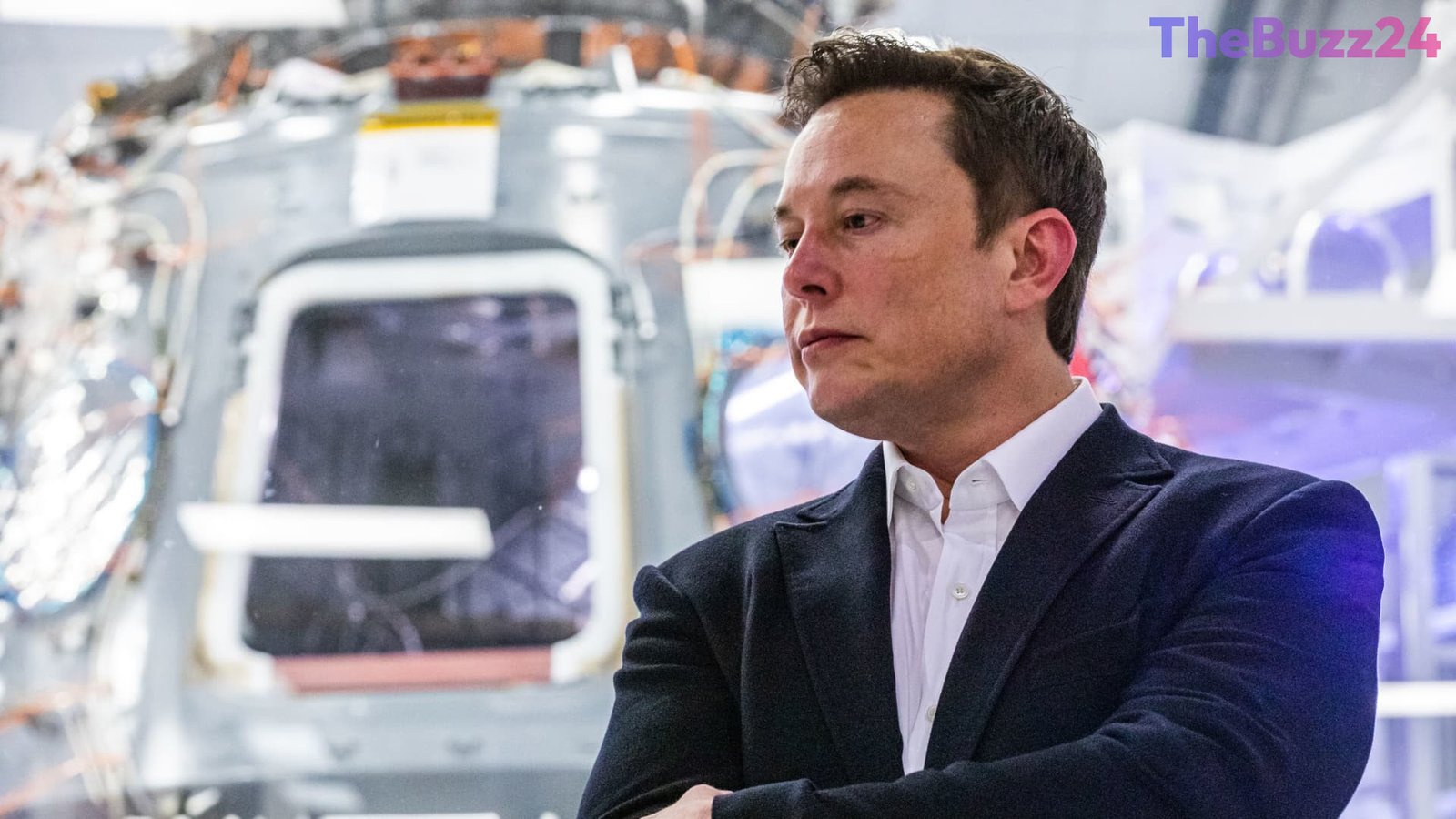
Elon Musk recently found himself at the center of a complex and often contradictory debate surrounding artificial intelligence, advocating for caution while simultaneously pushing rapid development and opposing strict government oversight. In a notable week, Musk publicly aligned with rival AI CEOs Dario Amodei of Anthropic and Sam Altman of OpenAI, supporting their call for foundation model labs to moderate the pace of AI advancement. However, this stance was quickly challenged by former President Donald Trump and Nvidia CEO Jensen Huang, who argued for accelerated AI development, with Trump dismissing fears of runaway AI as a “hoax.”
Musk’s engagement with AI spans over a decade, marked by evolving and sometimes conflicting views. While speaking at the All-In Summit, he emphasized the difficulty of reducing regulatory oversight once established, suggesting a preference for industry-led testing to identify and resolve safety issues before public release. This approach, he argued, is superior to a heavy-handed governmental regulatory position. Behind the scenes, reports indicated Musk, alongside Huang and Meta CEO Mark Zuckerberg, advised former President Trump against an industry-funded regulatory body, further highlighting his skepticism towards formal external controls.
This recent back-and-forth is emblematic of Musk’s long history in AI. He was an early investor in DeepMind and co-founded OpenAI with Altman, initially as a nonprofit. Despite frequently voicing concerns about AI’s existential threats, famously likening its development to “summoning the demon,” Musk has simultaneously built a formidable AI empire. His companies, including SpaceX (which merged with his AI startup xAI and acquired Cursor), and Tesla (actively developing physical AI like driverless cars and humanoid robots), are deeply invested in the technology’s growth. Critics, including AI ethics researchers, have characterized his approach as a “fear-plus-optimism” strategy, suggesting he advocates for safeguarding humanity while creating powerful, potentially unsafe products and resisting accountability.
The debate over AI safety and regulation continues to intensify. Musk’s recent actions, such as building data centers that have faced litigation over environmental concerns and selling xAI’s Grok models to the U.S. military, further complicate his public image as an AI safety advocate. Moreover, xAI has reportedly challenged state regulations concerning content features and data transparency. As industry leaders like Musk and third-party organizations like Legal Advocates for Safe Science and Technology (LASST) debate the optimal path forward, lawmakers and researchers are growing increasingly skeptical of the industry’s capacity for self-regulation, calling for robust, government-enforceable requirements involving independent evaluators.
Key Takeaways
- Elon Musk's recent actions highlight a complex and often contradictory stance on AI safety, where he advocates for caution and industry self-regulation while simultaneously pushing rapid development within his own AI ventures.
- Musk's history in AI reveals a pattern of expressing existential fears about the technology's potential risks, even as his companies like xAI, Tesla, and SpaceX make significant investments in AI development and infrastructure.
- The ongoing debate over AI regulation pits Musk's preference for industry-led testing against calls from critics and third-party advocates for robust government oversight and independent evaluation to ensure public safety.
Editor’s Analysis & Impact
Elon Musk’s multifaceted approach to AI, characterized by both dire warnings and aggressive development, significantly impacts the industry’s trajectory and public perception. His influence can sway market sentiment and direct investment flows, particularly into areas like AI infrastructure and advanced models. The tension between rapid innovation and the imperative for safety, as exemplified by Musk’s positions, is a defining challenge for the future of AI. The ongoing debate over self-regulation versus government oversight will likely intensify, shaping legislative efforts globally. This dynamic underscores a critical juncture for AI governance, where the actions of key figures and the regulatory frameworks that emerge will determine the ethical development, societal integration, and long-term implications of this transformative technology.
Frequently Asked Questions
Q: What is Elon Musk's current stance on AI regulation?
A: Elon Musk advocates for industry self-testing and collaboration to identify and fix AI safety issues, preferring this approach over heavy-handed government regulation, which he views as difficult to reverse once implemented. He has reportedly advised against an industry-funded regulator.
Q: How do Musk's AI business interests align with his safety concerns?
A: Musk has a long history of expressing fears about AI's existential risks while simultaneously building and investing heavily in AI companies such as xAI, Tesla (driverless cars, robots), and leveraging SpaceX for AI infrastructure. Critics often point to this as a 'fear-plus-optimism' strategy, where his warnings coexist with aggressive commercial development.
Q: Who are some of the key figures or organizations involved in the AI regulation debate mentioned in the article?
A: Key figures include Elon Musk, Dario Amodei (Anthropic), Sam Altman (OpenAI), Jensen Huang (Nvidia), and former President Donald Trump. Organizations like the Future of Life Institute (FLI) and Legal Advocates for Safe Science and Technology (LASST) are also prominent in advocating for or against specific regulatory approaches.
AI Disclosure: This article is based on verified data and official reports. Our Team and AI have cross-referenced every financial detail with primary sources to ensure total accuracy.
More from this Category