Cambodia Grants Royal Pardon to Former Opposition Leader Kem Sokha
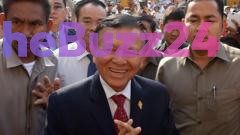
Kem Sokha, the former leader of Cambodia’s dissolved opposition party, has been granted a royal pardon following a lengthy legal battle involving a treason conviction. The pardon was issued via a decree signed by former Prime Minister Hun Sen, who is currently serving as the acting head of state. While the decision provides a reprieve from his previous sentence, Sokha remains subject to significant restrictions, including a five-year ban on traveling outside of Cambodia.
The legal saga began in 2017 when Sokha was arrested on allegations of conspiring with foreign entities to destabilize the government. His subsequent conviction in 2023 led to house arrest and was met with widespread condemnation from international human rights groups, who viewed the proceedings as a strategic move to neutralize political competition. The timing of his arrest was seen by many as a way to consolidate the power of the ruling Cambodian People’s Party ahead of national elections.
Current Prime Minister Hun Manet has framed the pardon as a gesture intended to foster national unity within the country. However, the move has sparked debate among global observers. While some see it as a potential opening for reconciliation, others point out that the continued limitations on Sokha’s movement and political rights suggest that the government’s stance on opposition voices remains largely unchanged.
For much of the last decade, Sokha’s imprisonment has been a focal point for discussions regarding democratic backsliding in Cambodia. The dismantling of the Cambodian National Rescue Party and the suppression of independent media have been closely linked to the legal actions taken against Sokha. As the country moves forward, the effectiveness of this pardon in truly rehabilitating the political landscape remains to be seen.
Key Takeaways
- Kem Sokha has received a royal pardon after being convicted of treason.
- The pardon includes a five-year restriction preventing Sokha from leaving the country.
- The decision has drawn mixed reactions, with some seeing it as a move for unity and others as a way to maintain political control.
Editor’s Analysis & Impact
The pardon of Kem Sokha represents a complex maneuver in Cambodian politics, balancing the need for international legitimacy with the desire to maintain domestic control. By granting a pardon while simultaneously imposing travel restrictions, the administration manages to signal a degree of leniency without fully restoring the political influence of the opposition. This approach allows the government to claim progress toward national unity while ensuring that the primary challenger to the ruling party remains sidelined. For the international community, the move is a double-edged sword; it offers a glimmer of hope for political reconciliation but fails to address the systemic issues regarding freedom of assembly and political participation. The long-term impact will depend on whether this sets a precedent for further political liberalization or remains an isolated concession.
Frequently Asked Questions
Q: What are the current restrictions on Kem Sokha?
A: Despite receiving a royal pardon, Kem Sokha is prohibited from traveling outside of Cambodia for the next five years.
Q: Why was Kem Sokha originally convicted of treason?
A: Sokha was convicted following allegations that he collaborated with foreign pro-democracy groups to undermine the Cambodian government.
AI Disclosure: This article is based on verified data and official reports. Our Team and AI have cross-referenced every financial detail with primary sources to ensure total accuracy.
More from this Category