Redefining Lunar Exploration: Jaclyn Kagey’s Strategic Vision for the Artemis Missions
As the global space community prepares for a historic return to the lunar surface, the success of the Artemis program depends heavily on the precision of extravehicular activities. Jaclyn Kagey is at the forefront of this effort, orchestrating the intricate procedures required for astronauts to safely navigate and conduct vital research at the Moon’s South Pole. This mission requires a delicate balance between achieving ambitious scientific goals and maintaining the rigorous safety protocols necessary for an extreme, uncharted environment.
Kagey brings over 25 years of high-stakes operational experience to the program, much of which was forged during her time aboard the International Space Station. Her background in managing critical system failures and executing emergency repairs has shaped a leadership philosophy centered on adaptability. By applying these hard-won lessons to the Artemis framework, she is building a foundation of operational resilience designed to withstand the unpredictable nature of deep-space exploration.
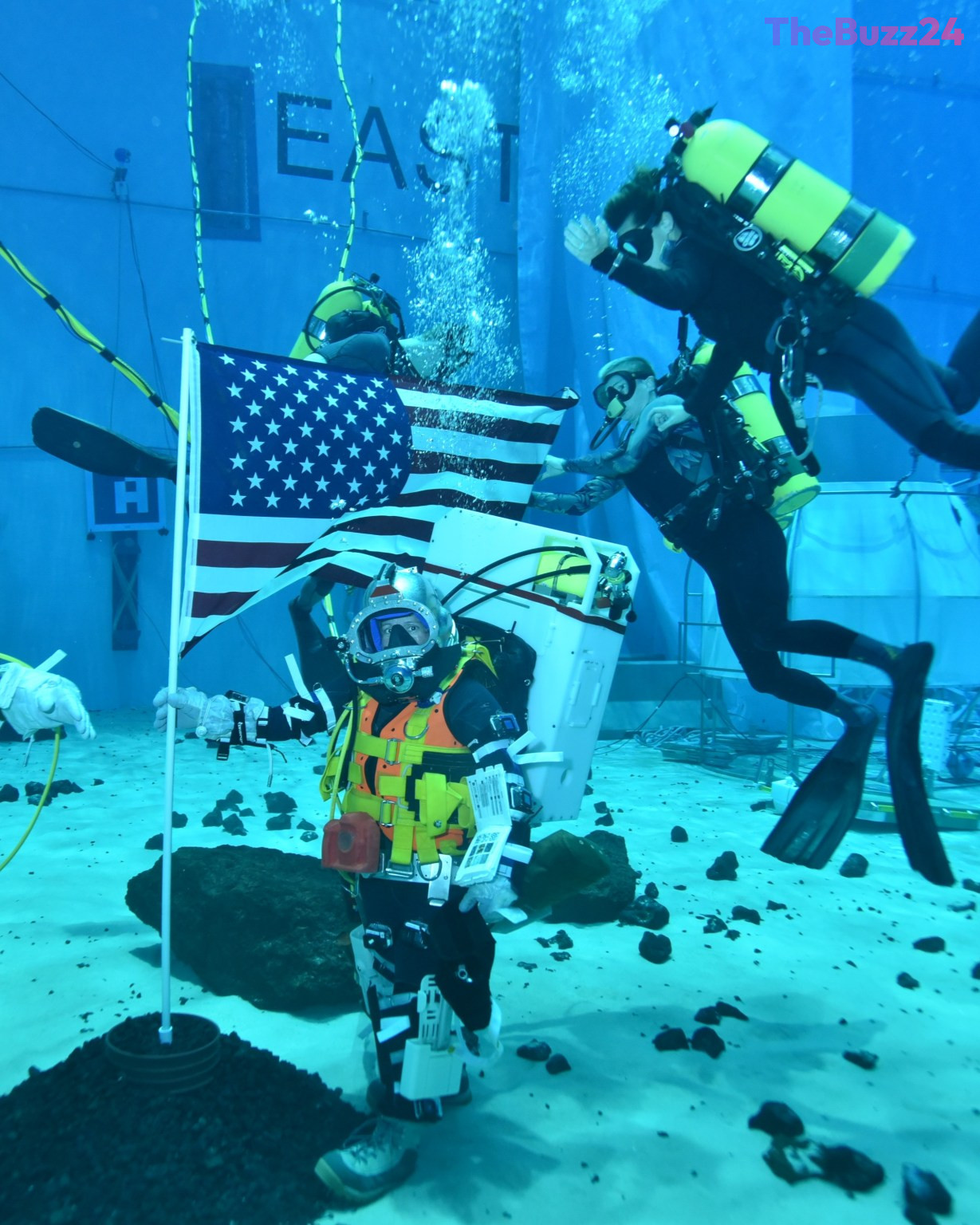
In addition to mission logistics, Kagey is a vocal advocate for the modernization of spaceflight technology through inclusive design. Recognizing that legacy equipment often failed to accommodate diverse physical profiles, she is championing a human-centric approach to gear development. This initiative is currently focused on the testing and implementation of the Axiom Extravehicular Mobility Unit (AxEMU), a next-generation lunar suit engineered to provide superior fit and performance for a wider range of astronaut body types.
Key Takeaways
- Jaclyn Kagey is spearheading the operational strategies for astronaut activities during upcoming Artemis lunar missions.
- Her approach leverages decades of crisis management experience from the International Space Station to ensure mission resilience.
- A major focus is being placed on inclusive engineering, specifically through the development of the Axiom AxEMU lunar suit.
Editor’s Analysis & Impact
The transition from short-term lunar visits to a sustained human presence on the Moon requires a fundamental shift in how missions are managed. Jaclyn Kagey’s dual focus on operational agility and inclusive engineering addresses two of the most significant risks in deep-space travel: human error in volatile settings and equipment incompatibility. By prioritizing the development of the Axiom AxEMU, the Artemis program is moving toward a more sustainable and accessible model for spaceflight. This human-centric strategy is a strategic necessity, ensuring that the next generation of explorers can operate effectively regardless of physical profile. As missions move toward the lunar South Pole, these advanced operational frameworks will be essential for establishing long-term viability in extraterrestrial environments.
Frequently Asked Questions
Q: Why is the Moon's South Pole a primary target for the Artemis program?
A: The South Pole is a strategic location because it is believed to contain water ice, a resource critical for supporting long-term human habitation and producing fuel.
Q: How does the Axiom AxEMU suit improve upon previous designs?
A: The AxEMU utilizes human-centric engineering to offer a more inclusive fit, allowing a broader range of astronaut body types to operate with improved mobility and comfort.
AI Disclosure: This article is based on verified data and official reports. Our Team and AI have cross-referenced every financial detail with primary sources to ensure total accuracy.
More from this Category