Cerebras CEO Envisions Ubiquitous Home AI Appliances Powered by Local Edge Computing
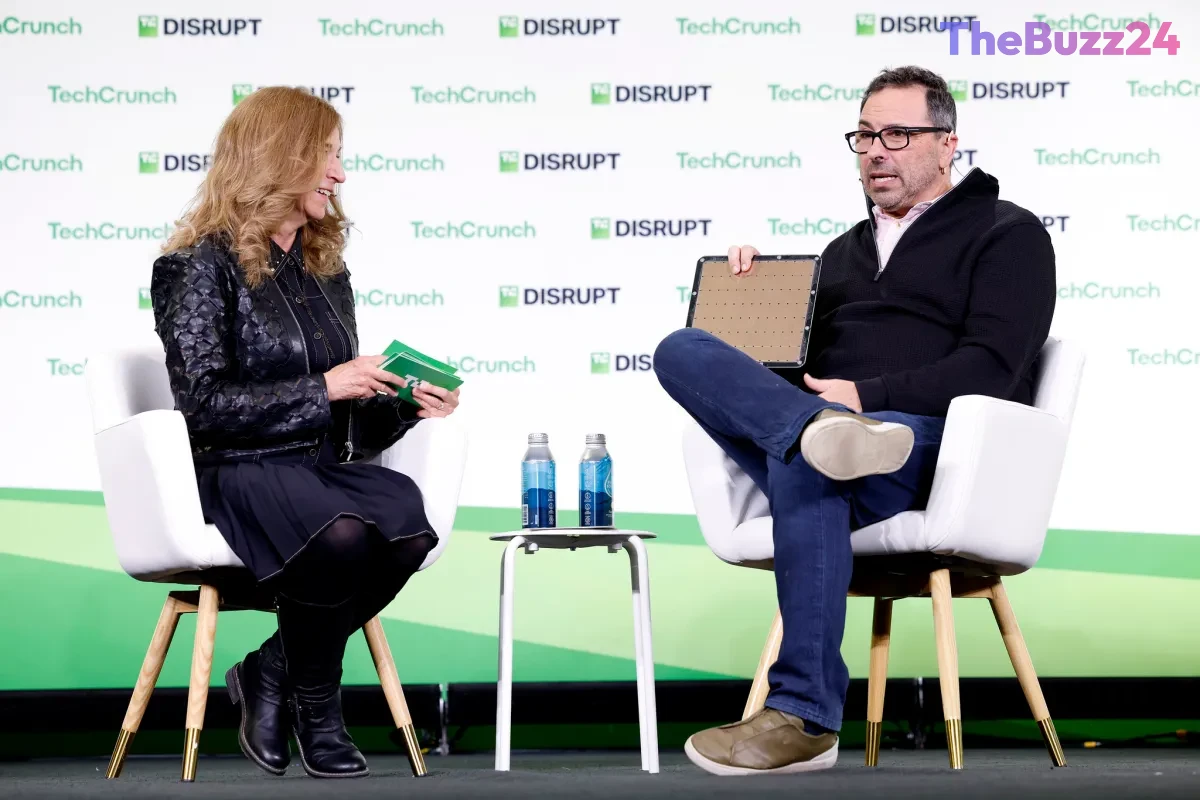
The landscape of domestic technology is poised for a major transformation, with industry leaders predicting that dedicated artificial intelligence appliances will soon become standard household fixtures. During a recent high-profile technology summit, chipmaker executives shared a forward-looking vision where localized AI assistants handle daily domestic routines and personal management tasks securely within the home.
Driving this shift are rapid advancements in consumer-facing agentic software and specialized silicon infrastructure. These upcoming domestic devices are expected to blend on-device processing with cloud connectivity, striking a balance between swift local responsiveness and heavy computational power. Industry experts highlight that such systems will maintain strict privacy perimeters while integrating deeply with personal schedules, financial accounts, and commerce platforms to streamline everyday life.
While hardware manufacturers stand to gain significantly from widespread consumer adoption, the underlying focus remains on building robust foundational platforms that empower software developers to innovate. Rather than dictating consumer applications, infrastructure pioneers are concentrating on delivering the raw processing power necessary to support the next generation of autonomous digital agents.
Key Takeaways
- Dedicated home AI appliances are predicted to become mainstream fixtures in the near future.
- Future personal assistants will utilize a hybrid approach, combining local on-device processing with cloud capabilities under a secure perimeter.
- Infrastructure providers are focusing on building scalable hardware foundations to support the next generation of consumer-facing AI agents.
Editor’s Analysis & Impact
The evolution of artificial intelligence from cloud-based novelty to localized home infrastructure represents a critical paradigm shift for both the semiconductor and software industries. As consumer demand for autonomous agents accelerates, the pressure on chipmakers to deliver energy-efficient, high-performance edge computing silicon will intensify. This trajectory suggests a lucrative market for specialized hardware capable of running complex local models while maintaining strict user privacy and security perimeters. Furthermore, the convergence of local hardware with financial transaction capabilities opens new avenues for e-commerce and consumer automation. However, widespread adoption will hinge on consumer trust, particularly regarding data privacy and security vulnerabilities. Companies that successfully bridge the gap between robust infrastructure and intuitive consumer applications are well-positioned to dominate the next era of personal computing.
Frequently Asked Questions
Q: What is a home AI appliance?
A: A home AI appliance refers to a dedicated hardware device running artificial intelligence locally within a household to assist with daily tasks, scheduling, and personal management.
Q: How will future home AI assistants process data?
A: They are expected to use a hybrid model, executing some computational tasks locally on the device for privacy and speed, while offloading heavier workloads to the cloud.
Q: What role do chipmakers play in the rise of home AI?
A: Chipmakers provide the vital hardware infrastructure and processing platforms that enable consumer-facing AI applications and autonomous agents to function efficiently.
AI Disclosure: This article is based on verified data and official reports. Our Team and AI have cross-referenced every financial detail with primary sources to ensure total accuracy.
More from this Category