Chef Robotics Hits Major Milestone with 100 Million Automated Food Servings
Chef Robotics has reached a significant operational milestone, successfully processing over 100 million food servings through its advanced automated systems. This achievement marks a pivotal moment for the company, which has successfully transitioned its focus from consumer-facing technology to high-stakes industrial food manufacturing. By prioritizing enterprise-level solutions, the firm has integrated its robotics into the demanding workflows of large-scale food production facilities.
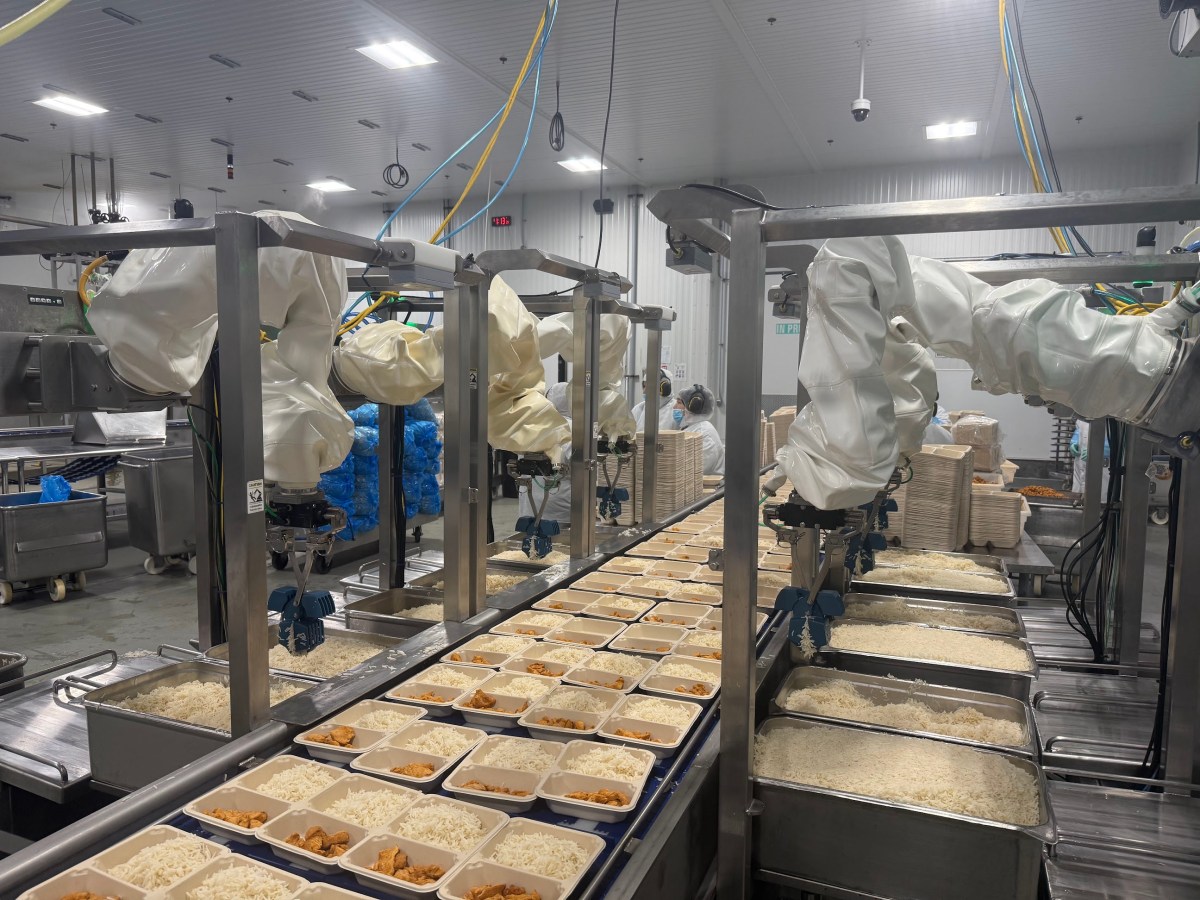
Under the leadership of CEO Rajat Bhageria, the company has deployed AI-powered robotic arms designed to manage the complex assembly of meal trays. These systems are currently utilized by major food providers such as Amy’s Kitchen and Chef Bombay, replacing manual labor with standardized, high-precision automation. This shift allows institutional kitchens to maintain consistent throughput while addressing the challenges of labor-intensive food preparation.
The underlying technology relies on a robust machine learning infrastructure that refines its performance with every cycle. By analyzing millions of data points, the robotic systems have become increasingly adept at handling the diverse textures and shapes of various food items. This adaptive capability ensures that the automation remains reliable even as the company scales its operations across different environments.
Looking toward the future, the company is targeting expansion into new sectors, including airline catering and the rapidly growing ghost kitchen market. By focusing on the practical utility of industrial automation, the firm is establishing a new benchmark for efficiency within the global food supply chain. As these technologies continue to evolve, the industry is trending toward a model where large-scale meal preparation is defined by machine-driven precision and repeatable quality.
Key Takeaways
- Chef Robotics has officially surpassed 100 million automated food servings, proving the viability of its industrial-scale technology.
- The company utilizes AI-driven robotic arms to automate complex meal tray assembly for major food manufacturers like Amy’s Kitchen.
- Future growth strategies include expanding into airline catering and ghost kitchen operations to further disrupt the food supply chain.
Editor’s Analysis & Impact
The success of Chef Robotics signals a broader shift in the food industry toward ‘Industry 4.0’ standards. By solving the ‘dexterity problem’—the historical difficulty of robots handling inconsistent, soft, or irregularly shaped food items—the company is unlocking massive efficiency gains for high-volume producers. This transition from experimental consumer gadgets to mission-critical industrial infrastructure is a classic trajectory for successful robotics firms. As labor costs rise and the demand for food safety and consistency grows, the adoption of these systems is likely to accelerate. The move into airline catering and ghost kitchens represents a strategic play to capture high-volume, repetitive environments where automation provides the highest return on investment. If this trend continues, we can expect a significant reduction in food waste and a standardization of meal quality across the institutional food sector.
Frequently Asked Questions
Q: What kind of food preparation does Chef Robotics automate?
A: The company specializes in automating the component placement of meal trays, handling the intricate assembly tasks typically performed by human workers in high-volume food production.
Q: How does the robotic system handle different food textures?
A: The system uses a machine learning infrastructure that gathers data from millions of handling cycles, allowing the robots to adapt to the varying shapes and textures of food items over time.
AI Disclosure: This article is based on verified data and official reports. Our Team and AI have cross-referenced every financial detail with primary sources to ensure total accuracy.
More from this Category