China’s Industrial Sector Posts Strongest Profit Growth in Years Driven by Tech and Exports
China’s industrial sector has demonstrated remarkable resilience, recording its fastest profit growth in six months during March. This surge has propelled overall enterprise earnings for the first quarter to their highest levels since 2017, excluding the anomalous 2021 pandemic recovery period. The growth trajectory remains impressive, particularly as it persists despite global headwinds, including rising raw material costs and geopolitical instability in the Middle East.
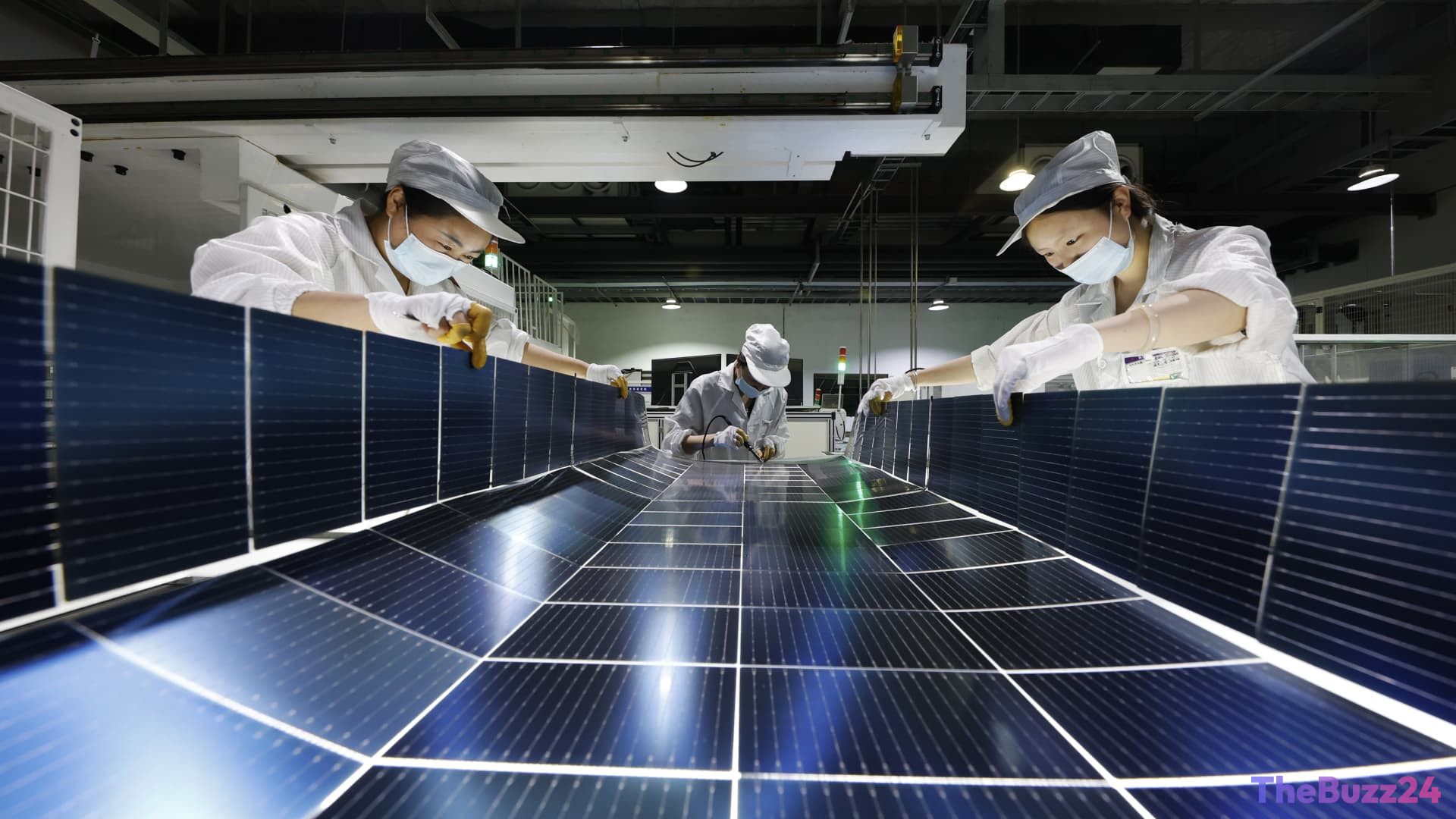
The primary engine behind this financial expansion is the high-tech and equipment manufacturing sector. High-tech manufacturing profits soared by 47.4% in the first quarter, bolstered by an insatiable global demand for semiconductors and artificial intelligence components. Specific subsectors saw astronomical gains, with optical fiber manufacturers reporting a 336.8% increase in profits, while optoelectronics and display device makers saw growth exceeding 36%. Furthermore, the aerospace and new energy industries have driven significant gains for non-ferrous metal producers, who saw profits climb by 116.7%.
Export performance has been a critical pillar of this success, with China’s exports rising by 14.7% in U.S. dollar terms—the fastest pace since early 2022. The industrial sector has also benefited from a diversified energy strategy that relies heavily on coal and renewables, providing a buffer against the volatility of global oil prices. Additionally, the end of a multi-year deflationary streak in producer prices as of March suggests a stabilization in industrial pricing power.
However, the outlook for the remainder of the year remains cautious. Analysts point to potential risks stemming from the ongoing property sector downturn and a soft domestic job market, which continue to dampen internal consumption. Furthermore, international trade complexities and potential supply chain disruptions, particularly regarding energy imports, could challenge the momentum established in the first quarter. As global demand fluctuates, the sustainability of this industrial boom will likely depend on the sector’s ability to navigate these persistent domestic and international pressures.
Key Takeaways
- Industrial profits in China reached their highest first-quarter levels since 2017, driven by a 47.4% surge in high-tech manufacturing.
- Export growth hit 14.7%, the fastest pace since early 2022, helping to offset domestic economic challenges.
- Despite strong performance, the sector faces future risks from a struggling property market, subdued domestic demand, and potential energy supply chain disruptions.
Editor’s Analysis & Impact
The recent surge in China’s industrial profits highlights a strategic pivot toward high-value manufacturing, specifically in semiconductors, AI, and aerospace. By decoupling its industrial growth from traditional low-margin manufacturing and focusing on tech-heavy exports, the sector has successfully navigated global inflationary pressures. However, the reliance on exports makes the economy vulnerable to shifting international trade policies and geopolitical tensions. The transition from a property-led growth model to a tech-driven one is essential for long-term stability, yet the current domestic weakness in the real estate sector remains a significant drag on overall economic health. Future growth will likely be defined by the government’s ability to stimulate internal consumption while maintaining its competitive edge in the global high-tech supply chain amidst increasing protectionist measures from Western trading partners.
Frequently Asked Questions
Q: What sectors contributed most to China's industrial profit growth?
A: The high-tech and equipment manufacturing sectors were the primary drivers, with significant gains in semiconductors, optical fibers, optoelectronics, and aerospace-related materials.
Q: Why is the Chinese industrial sector considered resilient to global energy price shocks?
A: The sector relies on a diversified energy mix, including significant use of coal and renewable energy, which provides a structural buffer against the volatility of global oil prices.
AI Disclosure: This article is based on verified data and official reports. Our Team and AI have cross-referenced every financial detail with primary sources to ensure total accuracy.
More from this Category