Navigating the Permanent Crisis: How Global Business Leaders Are Rewriting the Playbook for Survival
Global business leaders are abandoning traditional long-term planning models in favor of radical operational flexibility. As geopolitical conflicts, inflationary pressures, rapid artificial intelligence integration, and supply chain disruptions shift from temporary anomalies to permanent baseline realities, executives across banking, energy, shipping, and technology are restructuring their organizations to withstand continuous volatility. The era of predictable three-to-five-year strategic plans is rapidly giving way to a state of constant contingency planning, where adaptability is the ultimate metric of success.
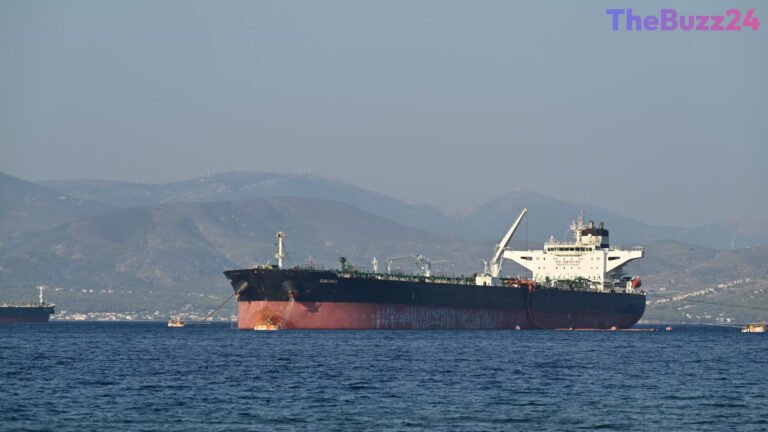
This shift is particularly evident in global logistics and consumer markets. Shipping disruptions, such as vessel backups in key maritime corridors, have driven up transport costs, forcing manufacturers to prioritize agility over cost-efficiency. Companies like apparel manufacturer Lever Style and jewelry giant Pandora are increasingly absorbing higher freight costs or shifting to air transport to maintain supply chain resilience, warning that these elevated expenses will ultimately be passed down to consumers. Meanwhile, consumer behavior is shifting; while affluent demographics remain resilient, middle-income shoppers are increasingly prioritizing affordability over speed and variety.
Technology presents both a massive operational opportunity and an existential threat. The rise of generative AI is disrupting traditional software-as-a-service (SaaS) business models, forcing venture capital firms like Antler and B Capital to anticipate shifts from seat-based pricing to outcome-based models. However, the rapid democratization of AI tools has also supercharged cybersecurity threats. Financial institutions like DBS Bank are adopting “zero-trust” frameworks and continuous “red-teaming” exercises to protect their digital infrastructure, emphasizing that trust will become the ultimate competitive differentiator in an AI-dominated market.
Simultaneously, energy security has returned to the forefront of corporate strategy. Power producers like CLP and renewable energy firms like Gurin Energy are navigating a massive surge in electricity demand driven by data centers and AI infrastructure. While some advocate for a diversified energy mix including gas and nuclear, others point to the rapid scaling of renewable energy and storage as the primary path forward. Ultimately, modern leadership is no longer about waiting out the storm, but building organizations capable of thriving amidst perpetual disruption.
Key Takeaways
- Traditional long-term corporate planning is being replaced by permanent contingency planning and 'just-in-case' inventory strategies.
- Rising supply chain disruptions and logistics costs are creating persistent inflationary pressures that are shifting consumer behaviors and will likely be passed to end-users.
- The rapid adoption of AI is transforming software business models while simultaneously accelerating cybersecurity threats, making organizational trust a critical asset.
Editor’s Analysis & Impact
The transition from episodic crises to structural volatility marks a profound paradigm shift in global commerce. Companies can no longer rely on lean, “just-in-time” supply chains that prioritize cost-cutting above all else; instead, redundancy and geographical diversification have become essential survival mechanisms. This structural shift carries inherent inflationary pressures, as duplicating supply chains and upgrading cybersecurity defenses require significant capital expenditure. Furthermore, the rapid evolution of AI is rewriting the rules of competitive advantage. As software and technical capabilities become commoditized, human trust, brand reputation, and operational agility will emerge as the primary differentiators. Organizations that fail to build high-flexibility frameworks will likely struggle to survive the compounding effects of geopolitical, technological, and macroeconomic shocks.
Frequently Asked Questions
Q: Why are companies moving away from 'just-in-time' supply chains?
A: Geopolitical conflicts, shipping bottlenecks, and trade disruptions have made lean supply chains highly vulnerable. Companies are shifting to 'just-in-case' models, duplicating supply routes and holding more inventory to ensure operational continuity despite higher costs.
Q: How is artificial intelligence impacting cybersecurity for businesses?
A: AI has lowered the barrier to entry for cybercriminals, accelerating the speed and sophistication of attacks. In response, businesses are adopting 'zero-trust' security architectures and continuously stress-testing their systems to protect sensitive data.
Q: How are middle-class consumers responding to current economic pressures?
A: While high-income consumers remain resilient, middle-class shoppers are becoming highly selective, often sacrificing product variety and delivery speed in favor of lower prices.
AI Disclosure: This article is based on verified data and official reports. Our Team and AI have cross-referenced every financial detail with primary sources to ensure total accuracy.
More from this Category