China Records Five-Year Export High to U.S. Amid AI and Tech Surge
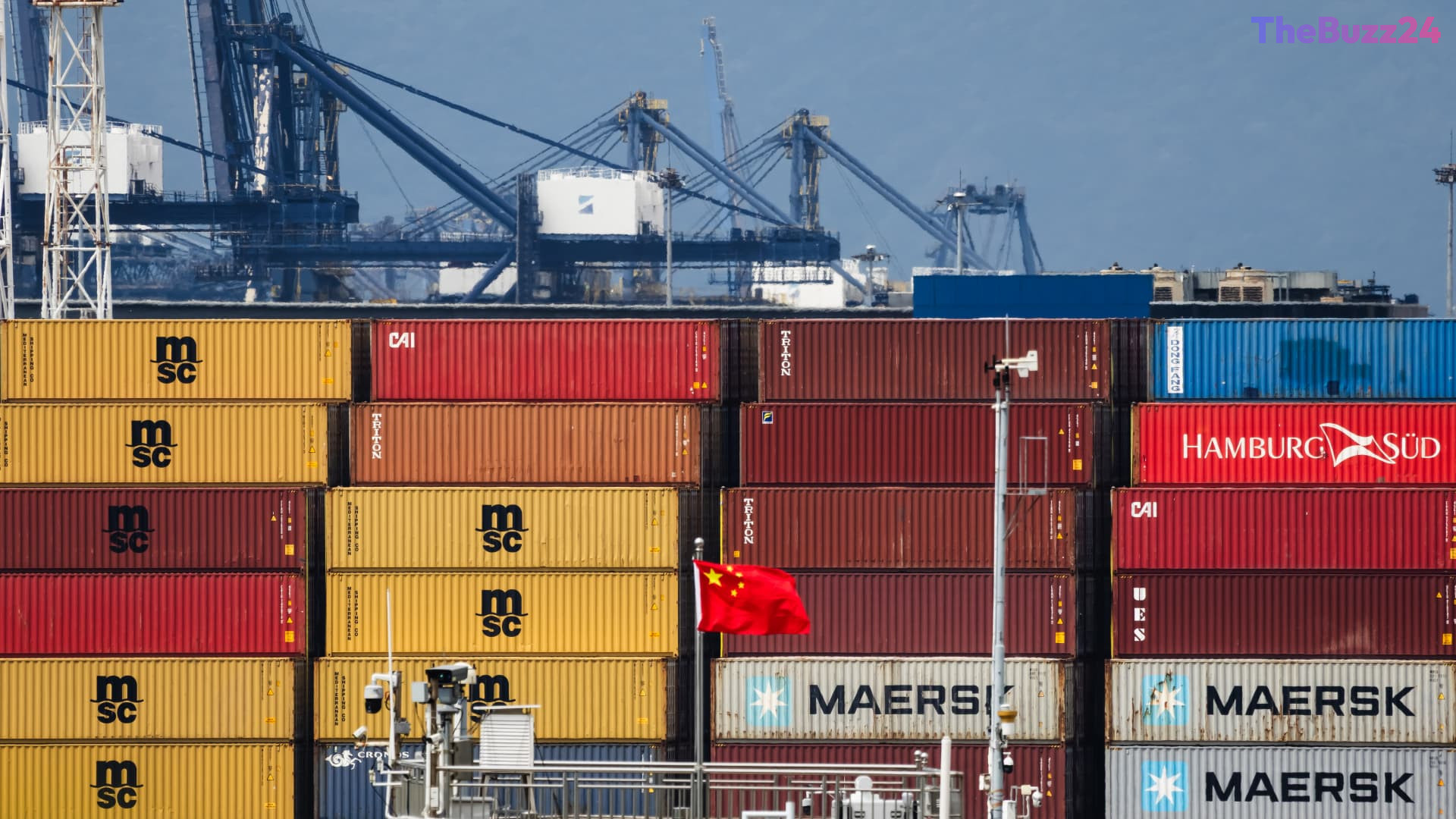
China’s trade sector demonstrated unexpected resilience in May, with overall exports climbing 19.4% in U.S. dollar terms, significantly outpacing the 14.1% growth recorded in April. A standout metric from the latest customs data is the 35.4% surge in shipments to the United States, marking the strongest growth for the corridor in five years. This rebound suggests a shift in trade dynamics, as Chinese manufacturers capitalize on global demand for high-tech goods despite ongoing geopolitical tensions and tariff pressures.
The export boom is largely attributed to a massive increase in demand for artificial intelligence-related technology, electric vehicles, batteries, and solar products. Specifically, exports of integrated circuits soared by 110% in value, while high-tech goods overall saw a 50% increase. Analysts suggest that global buyers are currently rushing to secure supplies in anticipation of potential energy cost hikes and supply chain disruptions, providing a temporary but significant tailwind for Chinese manufacturing output.
Despite the export success, the broader Chinese economy remains characterized by uneven growth. While the manufacturing and export sectors thrive, domestic consumption continues to struggle, with retail sales growth showing signs of stagnation. Economists note that the reliance on high-tech exports has created a ‘K-shaped’ recovery, where industrial production benefits from automation and global demand, yet the domestic labor market faces pressure as productivity gains reduce the need for traditional manufacturing jobs.
Looking ahead, the sustainability of this trade performance remains a subject of debate. While the current surge in exports has provided a buffer against global economic uncertainty, experts warn that once the current stockpiling momentum fades, the lack of robust domestic demand could leave the economy vulnerable. Furthermore, the strengthening of the yuan and rising input costs for raw materials continue to weigh on profit margins for exporters, even as the trade surplus remains substantial.
Key Takeaways
- China's exports to the U.S. grew by 35.4% in May, the highest rate since 2021.
- The surge is primarily driven by high-tech exports, including a 110% increase in integrated circuit shipments.
- Despite strong export figures, China faces domestic challenges including weak consumer spending and a stagnant labor market.
Editor’s Analysis & Impact
The latest trade data highlights a critical divergence in the Chinese economy. By pivoting heavily toward high-value tech exports like AI components and green energy hardware, China has successfully insulated its manufacturing sector from broader global volatility. However, this reliance on external demand masks underlying structural weaknesses. The ‘K-shaped’ recovery suggests that while the state-backed industrial sector is thriving, the consumer-facing side of the economy is failing to gain traction. From a market perspective, the current export boom may provide policymakers with a window of stability, allowing them to delay aggressive stimulus measures. However, if global stockpiling slows in the second half of the year, Beijing will likely face renewed pressure to address domestic consumption and the cooling property market to prevent a broader economic slowdown.
Frequently Asked Questions
Q: What is driving the recent surge in China's exports?
A: The surge is primarily driven by high global demand for AI-related technology, electric vehicles, batteries, and solar products, alongside a rush by overseas buyers to stockpile goods before potential price increases.
Q: Why is the Chinese economy described as having 'K-speed' growth?
A: The term refers to the divergence between the booming manufacturing and export sectors, which are benefiting from global tech demand, and the struggling domestic sectors, such as retail and property, which continue to face significant headwinds.
AI Disclosure: This article is based on verified data and official reports. Our Team and AI have cross-referenced every financial detail with primary sources to ensure total accuracy.
More from this Category