China’s Manufacturing Sector Faces Structural Pivot Amid Global Geopolitical Volatility
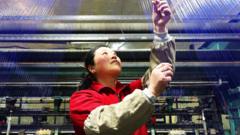
China’s manufacturing landscape is undergoing a turbulent transformation as shifting geopolitical dynamics and supply chain disruptions challenge the nation’s traditional industrial model. In key manufacturing hubs like Foshan, the labor market is tightening, creating a difficult environment for workers who are seeing fewer high-wage opportunities. This instability is compounded by a national strategic mandate to pivot from low-cost mass production toward high-tech automation, a transition that is proving costly and complex to implement under current global economic pressures.
Industries heavily reliant on textiles and petrochemicals are feeling the most acute pressure. In regions such as Guangzhou, production costs have climbed by approximately 20% due to volatile energy prices. These rising overheads have forced manufacturers to pass costs onto consumers, resulting in a noticeable decline in international demand. Factory operators are now struggling with the dual challenge of mounting inventories and shrinking profit margins, creating a climate of uncertainty across the manufacturing sector.
Despite these systemic obstacles, the electric vehicle (EV) industry has emerged as a significant bright spot. EV exports recorded a 140% year-over-year increase by March, highlighting the sector’s agility in navigating global market shifts. As geopolitical tensions have complicated trade with traditional partners, Chinese firms have successfully pivoted toward emerging markets in South America and Africa. Simultaneously, Beijing is intensifying diplomatic efforts in the Middle East, aiming to stabilize trade routes and secure its long-term economic interests.
Ultimately, the current economic climate reveals a growing disconnect between high-level macroeconomic goals and the realities on the ground. While the state continues to prioritize technological self-reliance and diplomatic mediation, the immediate impact on the workforce remains significant. Stagnant wages and difficult working conditions continue to define the daily experience for many, illustrating the friction between global geopolitical maneuvering and the local struggle for economic stability.
Key Takeaways
- Rising global geopolitical tensions have increased production costs for Chinese manufacturers by up to 20%, particularly in petrochemical-dependent sectors.
- The Chinese electric vehicle industry has demonstrated remarkable resilience, achieving a 140% year-over-year growth in exports by targeting new markets in Africa and South America.
- Beijing is actively utilizing diplomatic channels in the Middle East to mitigate regional instability and protect its critical economic supply chains.
Editor’s Analysis & Impact
The current economic landscape in China represents a critical inflection point where geopolitical risk is actively testing the limits of the country’s manufacturing-led growth model. The strategic pivot toward high-tech and EV production is essential for long-term competitiveness, yet it remains highly susceptible to external shocks, such as energy price volatility and shipping disruptions. The ability of Chinese firms to rapidly diversify export destinations—moving away from traditional markets toward emerging economies—demonstrates a high level of corporate agility. However, the internal social pressure stemming from stagnant wages and labor instability poses a significant risk to domestic cohesion. Moving forward, China’s success in balancing its ambitious diplomatic agenda with the necessity of a stable global trade environment will be the primary determinant of its economic recovery and its ability to ascend the global value chain.
Frequently Asked Questions
Q: How is the current geopolitical climate impacting Chinese manufacturing costs?
A: Geopolitical instability has led to volatile energy prices, causing production costs for sectors like textiles and petrochemicals to surge by as much as 20%, which has forced companies to raise prices and subsequently lose international orders.
Q: Which industry is currently bucking the trend of economic decline in China?
A: The electric vehicle (EV) sector is showing strong growth, with exports rising 140% year-over-year as companies successfully pivot to new markets in Africa and South America to offset disruptions in other regions.
AI Disclosure: This article is based on verified data and official reports. Our Team and AI have cross-referenced every financial detail with primary sources to ensure total accuracy.
More from this Category