A Stolen Youth: Nigerian Man Released After Five Years of Wrongful Imprisonment
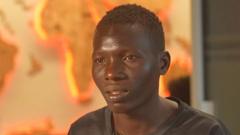
Rasheed Wasiu, a 23-year-old Nigerian man, has finally walked free after spending over five years in the notorious Kirikiri Correctional Centre in Lagos. His release marks the end of a harrowing judicial ordeal that began in October 2020, when he was just 17 years old. Wasiu was apprehended by members of the Odua Peoples Congress during the height of the End Sars protests against police brutality. Despite his family’s insistence on his innocence, he was detained and eventually charged with the unlawful possession of firearms—a charge he maintains was entirely fabricated.
During his five-year detention, Wasiu endured conditions he described as inhumane. He faced severe overcrowding, inadequate nutrition, and a complete absence of medical care, witnessing the deaths of fellow inmates due to neglect. With his legal proceedings stalling for years and his original legal counsel passing away during his incarceration, Wasiu was left in a state of indefinite limbo. He survived by performing menial labor for other inmates and prison staff, struggling to maintain his health and sanity while his case remained largely ignored by the judicial system.
His eventual release was secured following the intervention of the Take It Back Movement, an advocacy group dedicated to providing legal aid to those caught in the aftermath of the 2020 protests. A Lagos high court judge ultimately dismissed the case due to a total lack of evidence. However, Wasiu’s return to society is marred by personal tragedy; he has discovered that his mother, who had been his staunchest defender, disappeared after facing threats of arrest during his time in prison. Now living with his uncle, Wasiu is focused on locating his mother and attempting to rebuild the life that was interrupted during his formative teenage years.
Key Takeaways
- Rasheed Wasiu was held for over five years without trial following his arrest during the 2020 End Sars protests in Nigeria.
- The charges against Wasiu were dismissed due to a complete lack of evidence after advocacy groups intervened in his case.
- The prolonged detention has resulted in significant personal loss, including the disappearance of his mother and the loss of his teenage years.
Editor’s Analysis & Impact
The case of Rasheed Wasiu highlights systemic failures within the Nigerian judicial system, particularly regarding the treatment of individuals detained during civil unrest. The prevalence of ‘awaiting trial’ inmates who languish in prison for years without evidence suggests a critical need for judicial reform and better oversight of law enforcement practices. The impact of such prolonged, unjust incarceration extends beyond the individual, often destroying family structures and economic prospects for the youth. Moving forward, the success of advocacy groups like the Take It Back Movement underscores a growing reliance on civil society to fill the gaps left by state institutions. The broader implication is a continued erosion of public trust in the legal system, which may fuel future social instability if the government fails to address the backlog of cases and the protection of civil liberties.
Frequently Asked Questions
Q: Why was Rasheed Wasiu initially arrested?
A: Wasiu was arrested by a vigilante group during the 2020 End Sars protests in Lagos, Nigeria, and was later charged with the unlawful possession of firearms.
Q: How was Wasiu finally released from prison?
A: His release was secured after the Take It Back Movement provided legal aid, leading a high court judge to strike out the case due to a lack of evidence.
AI Disclosure: This article is based on verified data and official reports. Our Team and AI have cross-referenced every financial detail with primary sources to ensure total accuracy.
More from this Category