China’s Tech Sector Accelerates Shift Toward Domestic Semiconductor Independence
China’s technology sector is undergoing a significant transformation as domestic companies increasingly pivot away from reliance on Nvidia semiconductors. This shift is not limited to high-end AI training hardware but is now extending into the automotive industry, specifically within driver-assist systems. As Chinese firms prioritize cost-efficiency and long-term supply chain security, the integration of homegrown chips has become a strategic imperative for businesses aiming to scale their operations.
Leading the charge is the autonomous vehicle startup Zelostech, which has announced plans to diversify its supply chain by incorporating Chinese-made chips into its fleet. By moving away from a sole reliance on Nvidia’s Orin chipsets, the company aims to reduce costs significantly, allowing for faster deployment of its autonomous logistics vehicles. This trend is mirrored by major automotive players such as BYD, Nio, and Xpeng, all of which are either developing their own proprietary semiconductors or partnering with local firms like Horizon Robotics to power their next-generation driver-assist platforms.
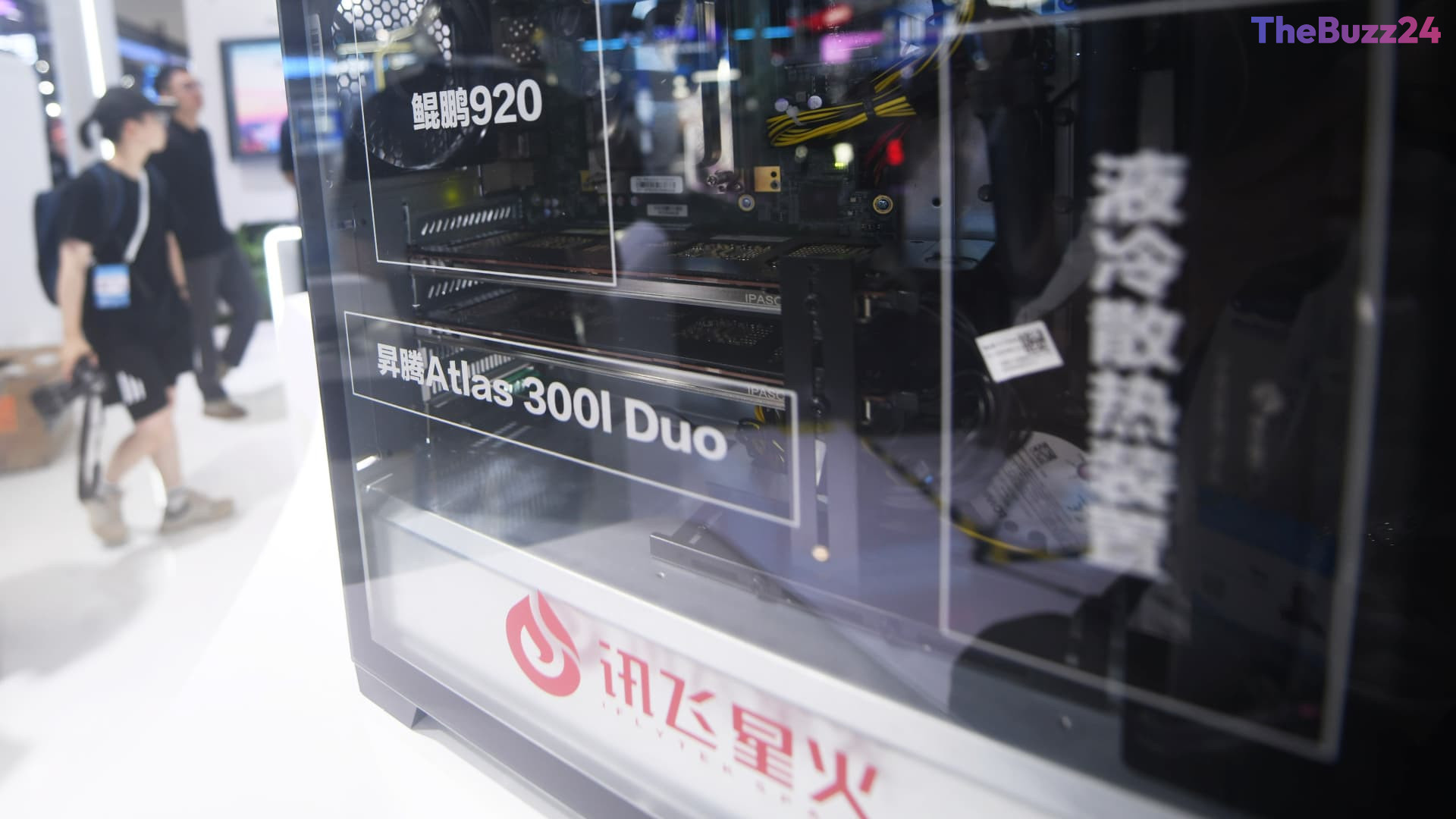
Beyond the automotive sector, the push for self-sufficiency is reshaping the landscape for artificial intelligence. Developers are increasingly optimizing their AI models to run on domestic hardware rather than the traditional Nvidia-centric ecosystem. Recent models from companies like DeepSeek, MiniMax, and Kimi have demonstrated compatibility with Chinese-made processors, including those from Huawei and Alibaba’s T-head unit. Analysts suggest that this transition will likely accelerate through 2028 as local chips gain the real-world operational data necessary to improve performance and reliability.
While some experts believe Chinese firms will continue to require Nvidia technology for the next few years, the long-term trajectory is clear. Beijing is incentivizing a move toward domestic alternatives to ensure that local technology can evolve through practical application. As Chinese companies refine their own hardware capabilities, the reliance on foreign semiconductor giants is expected to diminish, marking a new chapter in the nation’s technological development.
Key Takeaways
- Chinese tech firms are actively replacing Nvidia chips with domestic alternatives to reduce costs and ensure supply chain independence.
- The shift is widespread, impacting both autonomous vehicle driver-assist systems and the development of large-scale AI models.
- Major Chinese companies like Huawei and Alibaba are playing a central role in providing the hardware ecosystem necessary to support this transition.
Editor’s Analysis & Impact
The move toward semiconductor self-sufficiency in China represents a structural shift in the global tech supply chain. By decoupling from Nvidia, Chinese firms are not only mitigating the risks associated with geopolitical trade restrictions but are also fostering a domestic ecosystem that can iterate faster through local data feedback loops. While Nvidia remains a dominant force in global AI, the rapid optimization of Chinese AI models for domestic hardware suggests that the ‘Nvidia-only’ era of AI development is facing a significant challenge. In the coming years, we can expect a bifurcated market where Chinese firms prioritize local hardware to achieve scale, potentially leading to a more competitive, albeit fragmented, global semiconductor landscape. The long-term implication is a potential decline in Nvidia’s market share within the world’s second-largest economy, forcing the company to pivot its growth strategies toward other Asian markets.
Frequently Asked Questions
Q: Why are Chinese companies moving away from Nvidia chips?
A: The primary drivers are cost-efficiency, the need for supply chain security, and a strategic push by Beijing to foster domestic technological self-sufficiency.
Q: Is this shift limited to AI training chips?
A: No, the transition is also occurring in the automotive sector, where companies are increasingly using domestic chips for driver-assist systems to lower production costs and scale their fleets.
AI Disclosure: This article is based on verified data and official reports. Our Team and AI have cross-referenced every financial detail with primary sources to ensure total accuracy.
More from this Category