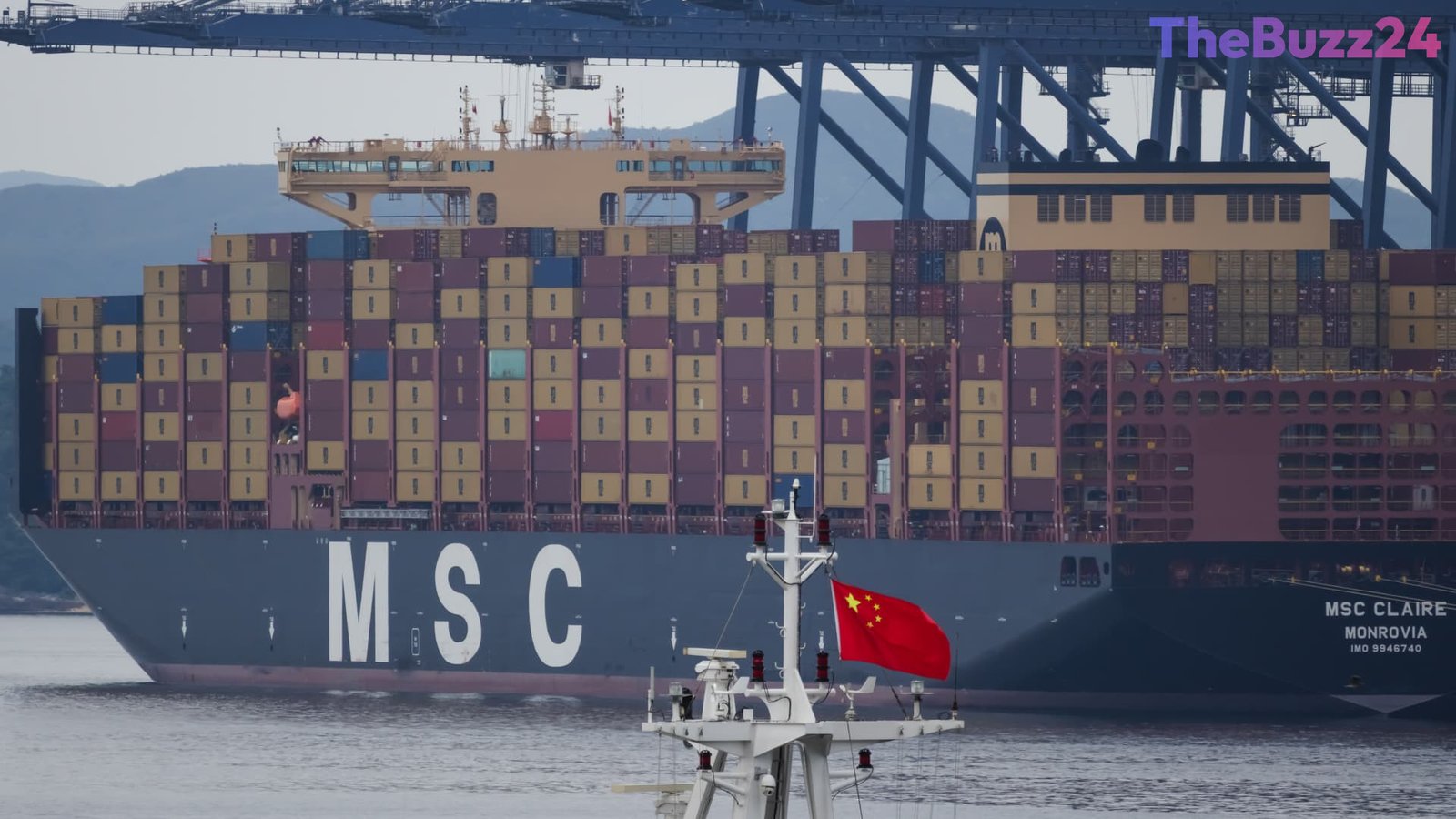
China’s Trade Surge Defies Expectations as Import Growth Outpaces Exports
China’s trade sector experienced a significant expansion in October, with both exports and imports surpassing analyst projections. Goods exports rose by 35.2% compared to the previous year, slightly exceeding the anticipated 33.5% growth. Meanwhile, import activity saw a more dramatic acceleration, climbing 41.6%—a sharp increase from the 31% growth recorded in September and well above the 32% estimate.
Despite the robust performance, the nation’s trade surplus narrowed to $105.3 billion, marking its lowest level since April. While the year-to-date surplus has officially surpassed the $1 trillion milestone, the narrowing gap highlights shifting dynamics in the world’s second-largest economy. Much of the export strength is currently driven by high demand for artificial intelligence hardware and advanced chips, though analysts warn that a potential cooling in the global AI sector could impact future margins.
Domestic economic conditions remain a point of concern, as household consumption continues to lag behind industrial output. Retail sales growth has remained modest, prompting calls for Beijing to pivot toward stimulating domestic demand to achieve its annual growth target of 4.5% to 5%. Furthermore, while trade relations with the U.S. remain under a temporary truce, new restrictions from the European Union on hybrid vehicle imports are set to take effect in December, though experts suggest these measures may have limited impact on the overall export boom.
Key Takeaways
- China's October exports grew by 35.2%, while imports surged by 41.6%, both beating market expectations.
- The monthly trade surplus narrowed to $105.3 billion, even as the year-to-date total crossed the $1 trillion mark.
- Growth is heavily supported by AI-related hardware exports, but domestic consumption remains soft, creating an economic imbalance.
Editor’s Analysis & Impact
The latest trade data underscores a critical juncture for the Chinese economy. While the export engine remains powerful—largely fueled by the global AI infrastructure buildout—the reliance on external demand is becoming increasingly precarious. The narrowing trade surplus, coupled with sluggish domestic retail growth, suggests that the current model of export-led growth is facing structural headwinds. Looking ahead, the effectiveness of Beijing’s policy support will be tested by both internal consumption challenges and an increasingly protectionist global trade environment. The upcoming diplomatic engagements, including high-level summits, will be pivotal in determining whether the current trade truces can evolve into long-term stability or if further friction with Western markets will dampen the momentum of Chinese manufacturing exports in the coming fiscal year.
Frequently Asked Questions
Q: Why did China's trade surplus narrow in October?
A: The surplus narrowed because imports grew at a significantly faster rate (41.6%) than exports (35.2%) during the month, reducing the net difference between the two.
Q: What role does AI play in China's current export performance?
A: A substantial portion of the recent export surge is attributed to strong global demand for Chinese-made chips and other hardware components essential for artificial intelligence development.
AI Disclosure: This article is based on verified data and official reports. Our Team and AI have cross-referenced every financial detail with primary sources to ensure total accuracy.
More from this Category