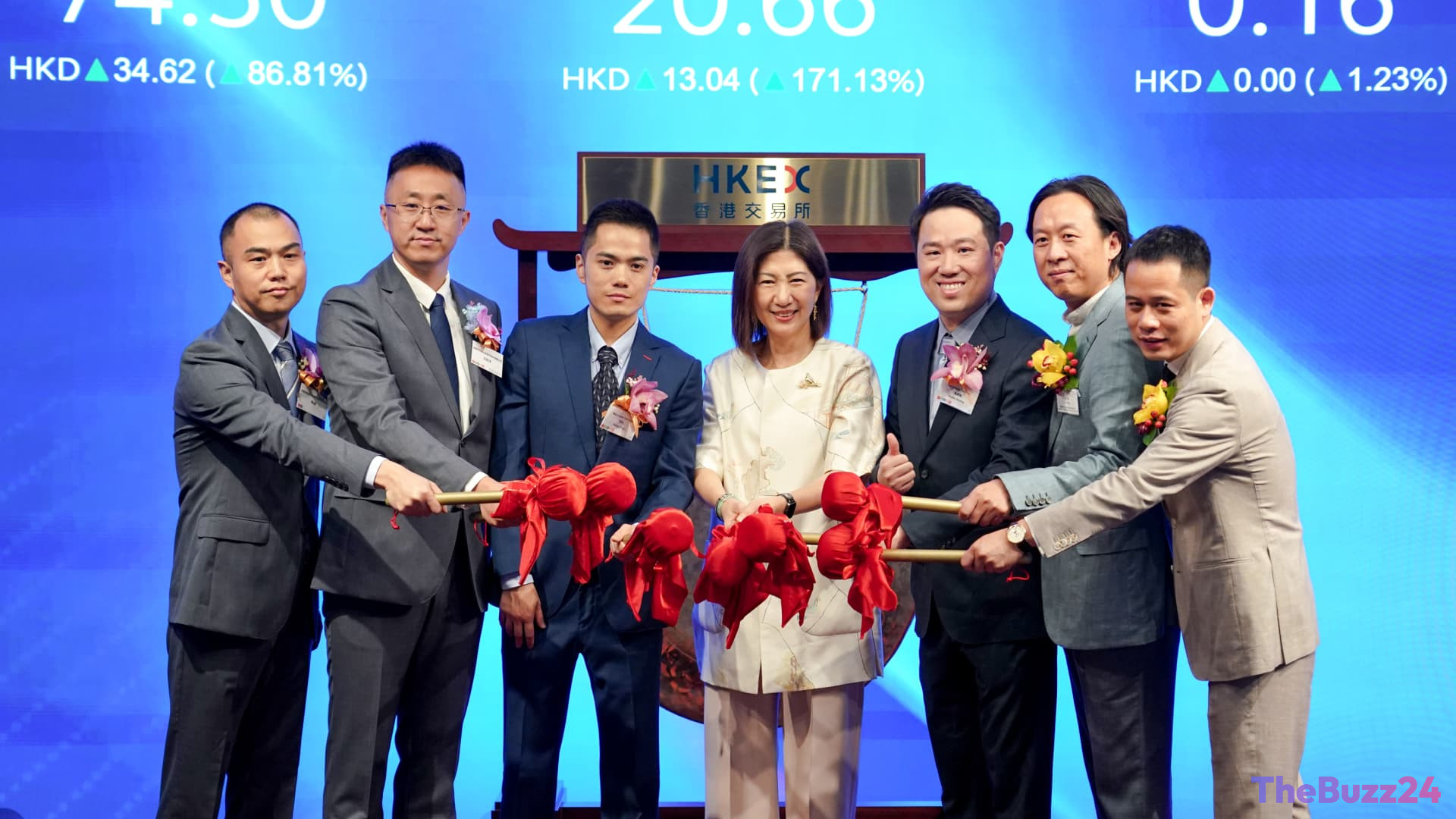
Hong Kong Solidifies Role as Premier Hub for Chinese Tech IPOs
Hong Kong is currently witnessing a historic surge in initial public offerings (IPOs) from Chinese firms, marking the most significant period of market activity in over 35 years. This trend serves as a vital component of China’s overarching strategy to foster a self-reliant technological and financial ecosystem, effectively positioning the city as a direct rival to established global financial hubs like New York and London.
The local exchange has emerged as the preferred destination for Chinese enterprises, with a pipeline of more than 400 companies currently preparing for public listings. Following a record-breaking year for capital accumulation, market momentum is expected to accelerate as regulatory frameworks become more accommodating and confidential listing processes attract a broader range of firms. Financial projections suggest that total capital raised through these listings could reach $60 billion this year, representing a near-doubling of previous figures.
This strategic pivot is fueled by a confluence of factors, including increased foreign capital inflows, modernized local regulations, and intensified scrutiny from U.S. authorities regarding investments in sensitive Chinese industries. Consequently, Chinese startups are increasingly prioritizing domestic funding and regional mergers over international capital markets. This transition is reshaping investor behavior, shifting the focus toward long-term technological development rather than short-term financial returns.
While China is actively constructing a unique venture capital ecosystem that diverges from the traditional Silicon Valley model, the landscape remains sensitive to policy adjustments. Analysts observe that while the current growth trajectory is robust, the heavy reliance on a policy-driven market introduces inherent risks, particularly regarding sudden regulatory shifts that could influence investor sentiment and overall market stability.
Key Takeaways
- Hong Kong is experiencing its most significant IPO surge in over three decades, with more than 400 Chinese companies in the pipeline.
- Projected fundraising in Hong Kong is expected to reach $60 billion this year, nearly doubling recent performance metrics.
- Chinese tech firms are increasingly shifting away from U.S. listings in favor of domestic and regional capital to avoid geopolitical and regulatory pressures.
Editor’s Analysis & Impact
The surge in Hong Kong IPOs signals a fundamental structural shift in the global financial landscape. By establishing a high-liquidity, localized environment for its tech giants, China is effectively insulating its critical industries from U.S. regulatory pressure and geopolitical volatility. This move points toward a bifurcated global tech market where Chinese innovation is sustained primarily by regional capital. While this bolsters Hong Kong’s status as a premier financial hub, it creates a high-stakes environment where market performance is inextricably linked to government policy. Investors should approach this growth with caution; while the potential for returns is significant, the lack of transparency regarding future regulatory shifts remains a primary ‘black swan’ risk for those participating in this market.
Frequently Asked Questions
Q: Why are Chinese companies increasingly choosing Hong Kong over U.S. exchanges?
A: Companies are favoring Hong Kong due to more flexible listing rules, closer proximity to domestic capital, and a desire to bypass the heightened regulatory scrutiny currently facing Chinese firms in the United States.
Q: What are the main risks associated with this IPO surge?
A: The primary risk is the policy-driven nature of the market. Because the ecosystem is heavily influenced by government mandates, sudden changes in policy can lead to significant market volatility and uncertainty for investors.
AI Disclosure: This article is based on verified data and official reports. Our Team and AI have cross-referenced every financial detail with primary sources to ensure total accuracy.
More from this Category