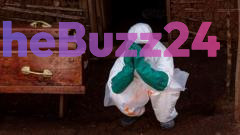
Combating Ebola in DR Congo: Innovation and Risk on the Frontlines
In the eastern regions of the Democratic Republic of Congo, medical professionals are engaged in a high-stakes battle to contain a growing Ebola outbreak. As case numbers climb, healthcare workers are balancing the urgent need for patient care with the critical necessity of personal safety. The virus, which spreads through contact with infected bodily fluids, presents significant diagnostic challenges due to its early symptoms—such as fever, headache, and muscle aches—which frequently mimic common regional illnesses like malaria and typhoid.
To mitigate the risk of transmission, medical teams are increasingly relying on specialized technology, such as the ‘Cube.’ This transparent, self-contained treatment unit allows staff to provide care through integrated, tunnel-like gloves, significantly reducing the need for direct physical contact. Beyond safety, these units aim to improve the patient experience by allowing families to visit loved ones, addressing the psychological isolation that often discourages individuals from seeking medical help during outbreaks.
Despite these advancements, the response is hampered by severe shortages of personal protective equipment (PPE) and diagnostic testing kits. The situation is further complicated by the region’s volatile security environment. Ongoing conflict, particularly in areas controlled by armed groups, has created a ‘catastrophic collision’ of disease and instability. With health facilities occasionally targeted and movement restricted, tracking the transmission of the virus has become exceptionally difficult, leaving frontline workers to operate under immense physical and psychological strain in an unforgiving equatorial climate.
Key Takeaways
- Innovative medical 'Cubes' are being deployed to allow for safe, non-contact treatment of Ebola patients while maintaining family connection.
- Healthcare workers face severe shortages of PPE and testing kits, compounded by the physical exhaustion of working in hot, protective gear.
- Regional conflict and instability in the DR Congo are significantly hindering the ability of medical teams to track transmission and provide consistent care.
Editor’s Analysis & Impact
The Ebola outbreak in the Democratic Republic of Congo serves as a stark reminder of the intersection between public health crises and geopolitical instability. The reliance on specialized isolation technology like the ‘Cube’ highlights a shift toward modular, safer medical infrastructure in resource-constrained environments. However, the broader implication is that medical intervention alone is insufficient; without regional stability and community trust, the efficacy of even the most advanced equipment is severely limited. The future outlook remains precarious, as the lack of approved vaccines for this specific strain necessitates a heavy reliance on supportive care. Moving forward, the international health community must prioritize not only the distribution of medical supplies but also the establishment of secure humanitarian corridors to ensure that life-saving interventions can reach the most vulnerable populations in conflict-affected zones.
Frequently Asked Questions
Q: What is the 'Cube' used for in Ebola treatment?
A: The Cube is a self-contained, transparent treatment unit that allows medical staff to treat highly infectious patients through attached gloves, eliminating the need for direct contact and reducing the risk of viral transmission.
Q: Why is it difficult to diagnose Ebola in the early stages?
A: Ebola's initial symptoms, such as fever, headache, and muscle pain, are very similar to those of common regional diseases like malaria and typhoid, making it difficult to distinguish without specific laboratory testing.
Q: How does conflict affect the Ebola response?
A: Conflict disrupts the ability of health workers to map transmission, limits access to remote areas, and creates security risks that prevent the establishment of trust and the consistent delivery of medical supplies.
AI Disclosure: This article is based on verified data and official reports. Our Team and AI have cross-referenced every financial detail with primary sources to ensure total accuracy.
More from this Category