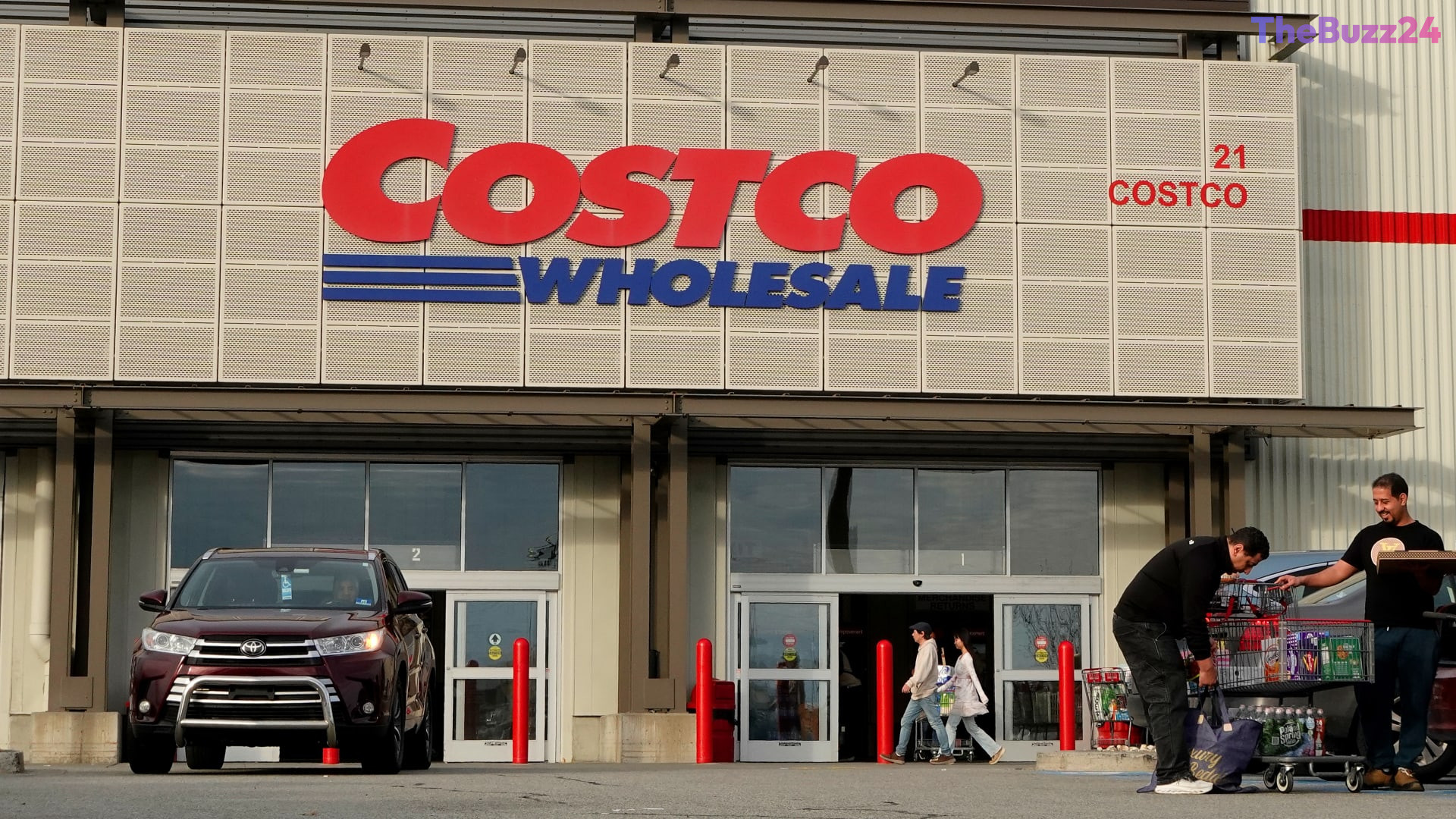
Costco Surges Past Earnings Estimates Amid Record Fuel Demand
Costco Wholesale has delivered a robust fiscal third-quarter performance, characterized by significant growth in both revenue and customer engagement. The retail giant reported net sales of $70.53 billion, comfortably exceeding analyst projections of $69.81 billion. This performance marks an 11.6% year-over-year increase, while net income climbed to $2.19 billion, or $4.93 per share, up from $1.9 billion during the same period last year.
A primary driver of this momentum was an unprecedented surge in fuel demand. As global energy prices fluctuated due to geopolitical tensions, consumers increasingly flocked to Costco’s fuel stations for more competitive pricing. CEO Ron Vachris highlighted that the final five weeks of the quarter saw the highest fuel volumes in the company’s history. This influx of traffic has served as a strategic gateway, attracting new members who are expected to contribute to long-term loyalty and increased warehouse spending.
Beyond fuel, the company saw a 6.6% rise in adjusted comparable sales and a notable 21% jump in digital revenue. Strong demand across the pharmacy, home furnishings, and jewelry sectors further bolstered the bottom line. Looking ahead, Costco is also pursuing financial recovery through a legal victory regarding import levies. Following a Supreme Court ruling that invalidated certain tariffs, the retailer has begun filing for refunds, with plans to pass those savings directly to its members to maintain its market-leading price competitiveness.
Key Takeaways
- Costco exceeded quarterly expectations with $70.53 billion in net sales, driven by a 6.6% increase in comparable sales.
- Record-breaking fuel demand served as a major catalyst for new member acquisition and increased warehouse traffic.
- The company is actively seeking tariff refunds following a Supreme Court ruling and intends to pass these savings on to customers.
Editor’s Analysis & Impact
Costco’s latest earnings report underscores the resilience of the warehouse club model in an inflationary environment. By leveraging its fuel stations as a loss-leader or high-traffic anchor, the company successfully funnels price-sensitive consumers into its ecosystem, where they are more likely to engage in high-margin discretionary spending. The 21% growth in digital revenue suggests that Costco is successfully modernizing its operations to compete with broader e-commerce trends without sacrificing its core brick-and-mortar appeal. Furthermore, the proactive pursuit of tariff refunds demonstrates a disciplined approach to capital management. As macroeconomic uncertainty persists, Costco’s ability to maintain competitive pricing while simultaneously expanding its digital footprint positions it as a defensive powerhouse in the retail sector, likely sustaining investor confidence in the coming quarters.
Frequently Asked Questions
Q: What contributed most to Costco's recent surge in customer traffic?
A: The primary driver was record-breaking fuel demand, as consumers sought out Costco's competitive gas prices amidst rising global energy costs.
Q: How does Costco plan to handle the tariff refunds it is currently pursuing?
A: Costco has stated that it intends to pass the savings from these tariff refunds back to its members to ensure continued competitive pricing.
AI Disclosure: This article is based on verified data and official reports. Our Team and AI have cross-referenced every financial detail with primary sources to ensure total accuracy.
More from this Category