Critical Infrastructure at Risk: Federal Agencies Issue Alert Over Global Industrial Freezer Hacks
Federal authorities have issued an urgent warning regarding a persistent cyber threat targeting industrial refrigeration systems. The alert, issued jointly by the Cybersecurity and Infrastructure Security Agency (CISA), the FBI, and several other government departments, highlights a growing trend of hackers compromising internet-connected cold storage units across the food, agriculture, and medical sectors.
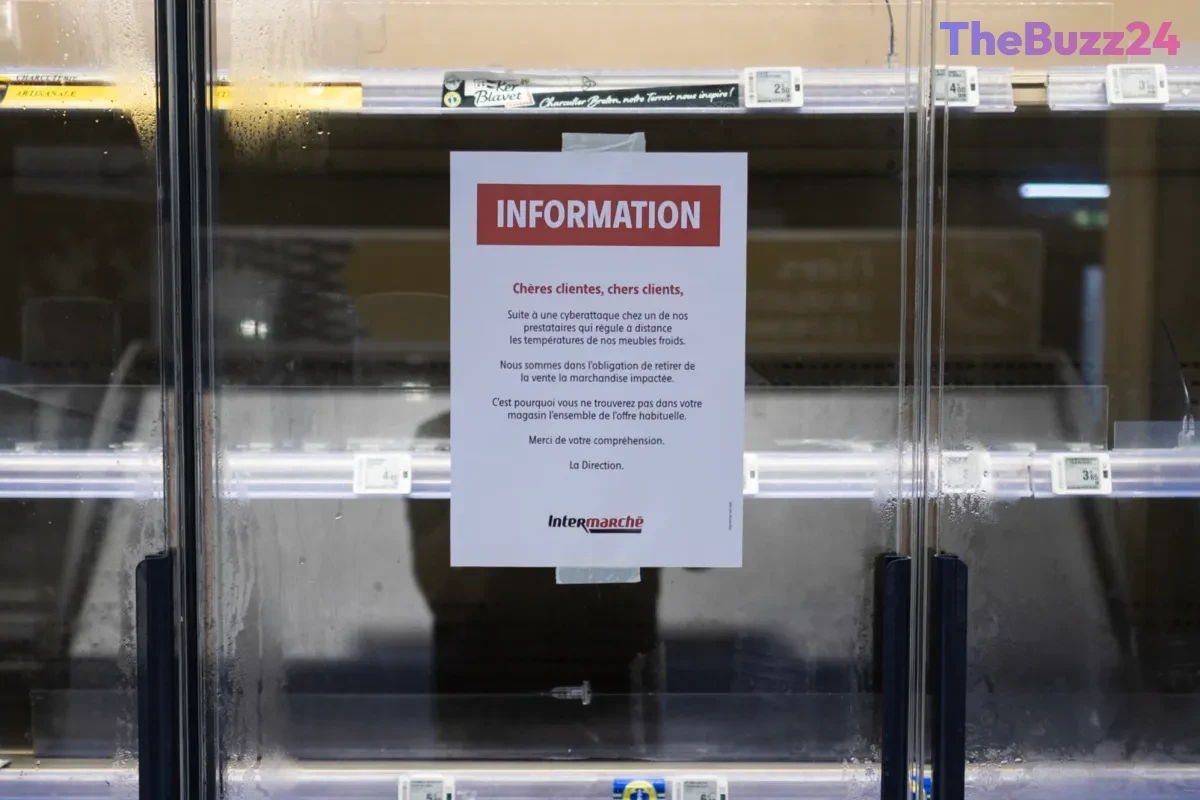
These cyberattacks have already impacted supermarkets, military installations, and medical facilities across Europe and the United Kingdom. By gaining unauthorized access to remote-controlled refrigeration units, attackers have been able to manipulate temperature settings. This interference poses significant risks, including the spoilage of perishable food supplies, the destruction of sensitive medical inventory like donated blood, and the potential for physical equipment damage, such as fire hazards caused by forced continuous heating cycles.
Investigations into the incidents suggest that many of the compromised systems were running on outdated software or lacked necessary security patches. In some instances, the hardware involved was manufactured by companies that had ceased providing security updates, leaving the devices vulnerable to exploitation. While no specific group has been officially named as the perpetrator, security researchers and government officials have pointed toward Iranian actors as the likely source of these coordinated intrusions.
In response to the escalating threat, federal agencies are urging organizations to immediately disconnect remote management systems from the public internet. Recommended security measures include implementing robust password protocols, applying all available firmware updates, and decommissioning legacy equipment that no longer receives vendor support. Officials emphasize that any entity relying on cold chain monitoring should treat their infrastructure as a high-value target for malicious actors.
Key Takeaways
- Federal agencies have identified a global campaign targeting internet-connected industrial refrigeration systems.
- Hackers are manipulating temperature controls to cause inventory loss, spoilage, and potential physical damage to equipment.
- Organizations are advised to disconnect remote management systems from the internet and retire unsupported legacy hardware.
Editor’s Analysis & Impact
The targeting of industrial refrigeration represents a dangerous evolution in cyber warfare, shifting from data theft to the sabotage of physical critical infrastructure. By weaponizing the ‘Internet of Things’ (IoT) in the cold chain, attackers can inflict immediate economic damage and threaten public health without needing to breach traditional corporate networks. This trend highlights a systemic vulnerability in global supply chains, where legacy hardware often remains in service long after vendor support ends. Moving forward, industries must prioritize ‘security by design’ for all connected devices. The broader implication is that cybersecurity can no longer be viewed as an IT-only concern; it is now a fundamental component of physical safety, food security, and national defense. Organizations that fail to audit their connected operational technology (OT) will likely face increasing regulatory scrutiny and insurance liabilities.
Frequently Asked Questions
Q: What is the primary goal of these cyberattacks on refrigeration systems?
A: The attackers aim to manipulate temperature settings, which can lead to the spoilage of food and medical supplies, as well as cause physical damage to the refrigeration units through forced heating cycles.
Q: What steps should businesses take to protect their refrigeration equipment?
A: Authorities recommend removing remote control systems from the public internet, updating passwords, applying all available security patches, and retiring any equipment that is no longer supported by the manufacturer.
AI Disclosure: This article is based on verified data and official reports. Our Team and AI have cross-referenced every financial detail with primary sources to ensure total accuracy.
More from this Category