Deadly Prison Riots Rock Sri Lanka, Exposing Overcrowding Crisis
A two-day wave of violence at Negombo Prison, situated in a coastal town north of Colombo, has resulted in the deaths of 26 individuals and left more than 100 injured. The unrest, which began with clashes between inmate factions, quickly escalated into a major security incident.
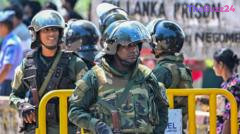
The initial confrontation on Sunday saw prisoners allegedly seizing guards’ firearms, leading to two fatalities and dozens of injuries. As the situation intensified, groups of male inmates, joined by women from an adjacent unit, scaled prison rooftops in a desperate demand for release. Fresh violence erupted on Monday when prisoners attempted to breach the facility’s gates, prompting the deployment of security forces and reports of multiple gunshots from within the prison walls. Officials indicate the violence was reportedly sparked by an inmate providing information about an internal drug trafficking operation.
In the aftermath, 23 prison officers and 54 inmates are currently receiving medical treatment. Some of the wounded were transported to Negombo Hospital, where the director confirmed injuries included bullet wounds, cuts, and severe bruises, while others were taken to Colombo National Hospital. A section of the prison’s roof also collapsed during the incident, injuring some of the women involved. Relatives of inmates gathered outside the prison on Monday, expressing distress over the lack of information regarding their loved ones’ conditions and whereabouts. Inmates have since been transferred to other facilities, and the military remains on standby following a police request for support as areas within the prison are being cleared.
Minister of Justice and Prisons Harshana Nanayakkara has ordered an immediate investigation into the events. While sporadic riots occur in the nation’s correctional facilities, this incident marks the worst in years, surpassing a December 2020 event where 11 individuals died and 117 were injured at another prison. The crisis underscores a severe issue of overcrowding within Sri Lanka’s prison system, which currently houses approximately 41,250 inmates—a figure four times its intended capacity.
Key Takeaways
- Deadly riots at Negombo Prison in Sri Lanka resulted in 26 deaths and over 100 injuries over two days.
- The violence, reportedly triggered by an informant on drug trafficking, escalated with inmates seizing weapons and attempting to breach gates.
- The incident highlights severe overcrowding in Sri Lankan prisons, which currently hold four times their intended capacity.
Editor’s Analysis & Impact
The recent deadly prison riots in Sri Lanka underscore a critical systemic issue within the nation’s correctional facilities: severe overcrowding and inadequate conditions. This event will undoubtedly intensify scrutiny on Sri Lanka’s justice system and governance, potentially impacting international perceptions of human rights and stability. The immediate future will likely see increased pressure on the government to implement comprehensive prison reforms, address capacity issues, and enhance security measures to prevent similar outbreaks. Broader implications extend to the challenges faced by many developing nations struggling with overstretched public services and the potential for social unrest when basic human needs and safety are compromised within state institutions. The outcome of the official investigation will be crucial in shaping policy and accountability moving forward.
Frequently Asked Questions
Q: Where did the prison riots occur?
A: The riots took place at Negombo Prison, located in a coastal town north of Colombo, Sri Lanka.
Q: What was the alleged cause of the violence?
A: The violence was reportedly triggered by a dispute involving an inmate who informed on an internal drug trafficking operation.
Q: What is the current state of Sri Lankan prisons regarding capacity?
A: Sri Lankan prisons are severely overcrowded, holding approximately 41,250 inmates, which is four times their official capacity.
AI Disclosure: This article is based on verified data and official reports. Our Team and AI have cross-referenced every financial detail with primary sources to ensure total accuracy.
More from this Category