Tehran’s Grand Mourning: A Nation Grieves Supreme Leader Khamenei Amidst Public Spectacle
Massive throngs of people have filled the streets of Tehran as Iran observes a period of public mourning for its recently deceased Supreme Leader, Ayatollah Ali Khamenei. The outpouring of grief, marked by large public gatherings, underscores the significant role Khamenei held within the nation.
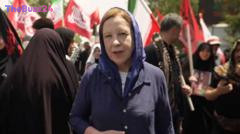
The funeral procession, a somber yet grand affair, traversed through the capital’s prominent Enghelab Square. Participants waved Iranian flags and unfurled red banners, symbols often associated with martyrdom and a call for retribution, reflecting the deep emotions surrounding the event. The scale of the public participation suggests a carefully orchestrated display intended to convey national unity and resolve.
Ayatollah Khamenei’s passing occurred earlier this year, amidst the ongoing conflict between the United States and Israel. The current public mourning period is a testament to his enduring influence and the national significance attached to his leadership. International media present in Tehran are operating under specific reporting conditions, highlighting the sensitive nature of the political climate and the government’s control over public narratives.
Key Takeaways
- Iran is holding extensive public mourning for Supreme Leader Ayatollah Ali Khamenei.
- Large crowds gathered in Tehran's Enghelab Square for the funeral procession.
- The mourning period is taking place amidst the ongoing US-Israel conflict, with specific media restrictions in place.
Editor’s Analysis & Impact
The extensive public mourning for Ayatollah Ali Khamenei in Tehran signifies a critical moment for Iran, both domestically and internationally. The carefully managed spectacle aims to project an image of national unity and strength, particularly during a period of regional instability marked by the US-Israel conflict. The restrictions on international media suggest a desire to control the narrative surrounding Khamenei’s death and the nation’s response. This event could influence Iran’s internal political dynamics and its foreign policy decisions in the coming months, as the country navigates leadership succession and its role in the broader geopolitical landscape.
Frequently Asked Questions
Q: Who was Ayatollah Ali Khamenei?
A: Ayatollah Ali Khamenei was the Supreme Leader of Iran, holding the highest political and religious authority in the country until his death earlier this year.
Q: What do the red banners symbolize during the mourning?
A: The red banners often symbolize martyrdom and a call for vengeance or retribution, reflecting deep emotional responses and a desire for justice or retaliation.
Q: Why are there restrictions on international media in Iran?
A: Restrictions on international media are common in Iran, especially during sensitive political events. The government often seeks to control the narrative and present a specific image to the outside world, limiting independent reporting.
AI Disclosure: This article is based on verified data and official reports. Our Team and AI have cross-referenced every financial detail with primary sources to ensure total accuracy.
More from this Category