Deadly Train Bombing in Balochistan Claims Scores of Lives
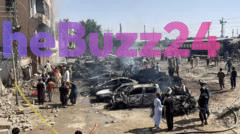
A catastrophic explosion targeted a train carrying military personnel and their families in Quetta, the capital of Pakistan’s Balochistan province, on Sunday morning. The blast occurred as the transport passed through the Chaman Phatak station, resulting in at least 20 confirmed fatalities and leaving approximately 70 individuals injured. The sheer force of the detonation caused the engine and three coaches to derail, with two carriages overturning completely in the process.
The passengers were traveling home to celebrate the Eid holiday when the incident occurred. Preliminary reports from the scene suggest that a vehicle laden with explosives was driven into the train, triggering the massive blast. Emergency response teams were immediately dispatched to the site, and local hospitals have declared an emergency status to manage the influx of victims, with authorities cautioning that the death toll could rise as rescue operations continue.
The Balochistan Liberation Army (BLA) has claimed responsibility for the attack, identifying it as a suicide bombing. The separatist organization has a history of targeting regional infrastructure and security personnel, often citing disputes over the federal government’s control of the province’s natural resources. In response to the tragedy, Prime Minister Shehbaz Sharif issued a formal condemnation, describing the act as cowardly and pledging to bolster security measures across the province.
This attack represents a significant escalation in the persistent instability plaguing Balochistan. The region has experienced a marked increase in violent confrontations between separatist factions and state security forces in recent months. As investigations into the bombing proceed, the incident underscores the severe security challenges facing the province, which remains a volatile area due to its proximity to the Iranian and Afghan borders.
Key Takeaways
- A suicide bombing targeting a train in Quetta resulted in at least 20 deaths and 70 injuries.
- The Balochistan Liberation Army (BLA) claimed responsibility for the attack, which targeted military personnel and their families.
- The incident marks a major escalation in the ongoing conflict between separatist groups and the Pakistani government in the Balochistan region.
Editor’s Analysis & Impact
The bombing in Quetta signifies a dangerous shift in the tactics employed by separatist groups in Balochistan, moving from localized skirmishes to high-casualty attacks on civilian-adjacent military transport. This escalation poses a severe challenge to the Pakistani government’s efforts to stabilize the region, which is strategically vital due to its mineral wealth and border proximity. The attack will likely force a significant military and security policy review, potentially leading to increased troop deployments and stricter surveillance in the province. Economically, the persistent instability threatens to deter investment in regional infrastructure projects. The broader implication is a deepening cycle of violence that complicates national security and risks further alienating the local population, creating a precarious outlook for peace and development in the province for the foreseeable future.
Frequently Asked Questions
Q: Who claimed responsibility for the train bombing in Quetta?
A: The Balochistan Liberation Army (BLA) claimed responsibility for the attack, characterizing it as a suicide bombing.
Q: What was the primary target of the explosion?
A: The explosion targeted a train that was transporting military personnel and their families who were traveling home for the Eid holiday.
AI Disclosure: This article is based on verified data and official reports. Our Team and AI have cross-referenced every financial detail with primary sources to ensure total accuracy.
More from this Category