Congressional Democrats Sound Alarm Over Potential $1.7 Billion IRS Settlement
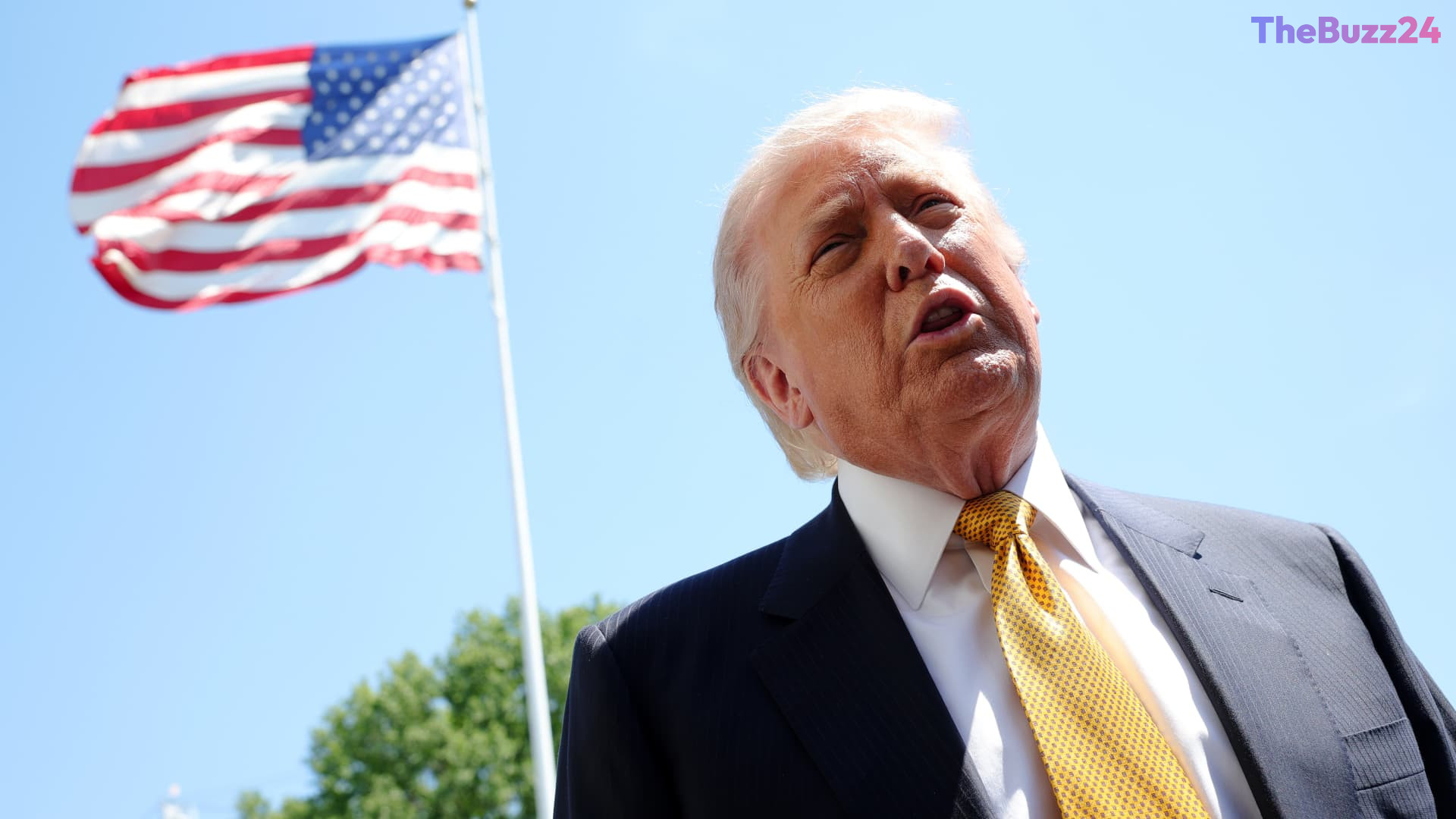
Congressional Democrats are voicing intense opposition to a potential settlement in a lawsuit filed by former President Donald Trump against the Internal Revenue Service and the Treasury Department. The litigation, which stems from the 2019 disclosure of Trump’s tax returns, has sparked fears among lawmakers that a proposed $1.7 billion compensation fund could be established, effectively creating what critics describe as a taxpayer-funded political slush fund.
Prominent Democratic legislators, including Senator Ron Wyden and Representative Jamie Raskin, have publicly denounced the potential agreement. They argue that such a settlement would represent an unprecedented misuse of public resources, potentially allowing the former president to distribute funds to political allies under the guise of victim compensation. The accusations center on the concern that the executive branch may be leveraging its authority to settle a personal grievance using federal dollars.
Legal hurdles remain, however, as U.S. District Court Judge Kathleen Williams has questioned the constitutional validity of the case. Because the lawsuit pits the former president against federal agencies currently under the executive branch’s purview, the judge has raised doubts regarding whether the parties are sufficiently adverse to maintain federal jurisdiction. Both the Justice Department and Trump’s legal team have requested a 90-day stay to negotiate a resolution, a move that has further fueled political scrutiny regarding the transparency and legality of the proposed settlement.
Key Takeaways
- Democrats are opposing a potential $1.7 billion settlement in a lawsuit filed by Donald Trump against the IRS.
- Critics fear the proposed compensation fund could be used to benefit political allies with taxpayer money.
- A federal judge has questioned the legal standing of the case, noting the unusual dynamic of the executive branch settling a lawsuit against itself.
Editor’s Analysis & Impact
The controversy surrounding this potential settlement highlights a significant intersection of executive power, judicial oversight, and the use of public funds. From a market and political perspective, the case is highly unusual because it involves the government settling a claim against itself, which naturally invites skepticism regarding the separation of powers. If such a settlement were to proceed, it could set a contentious precedent for how future administrations handle litigation involving personal grievances against federal agencies. The broader implication is a heightened focus on the transparency of the Justice Department’s settlement processes. Investors and political observers should monitor this case closely, as any outcome involving a multi-billion dollar payout would likely trigger prolonged legal challenges and intense congressional oversight, potentially impacting future federal budget allocations and administrative policy.
Frequently Asked Questions
Q: Why are Democrats concerned about the potential settlement?
A: Democrats fear that the $1.7 billion fund could be used as a 'slush fund' to compensate political allies rather than serving as a legitimate victim compensation mechanism.
Q: What legal issue has the judge raised regarding the lawsuit?
A: Judge Kathleen Williams questioned whether the lawsuit meets constitutional requirements for federal jurisdiction, as the plaintiff is suing federal agencies that are part of the same executive branch.
AI Disclosure: This article is based on verified data and official reports. Our Team and AI have cross-referenced every financial detail with primary sources to ensure total accuracy.
More from this Category