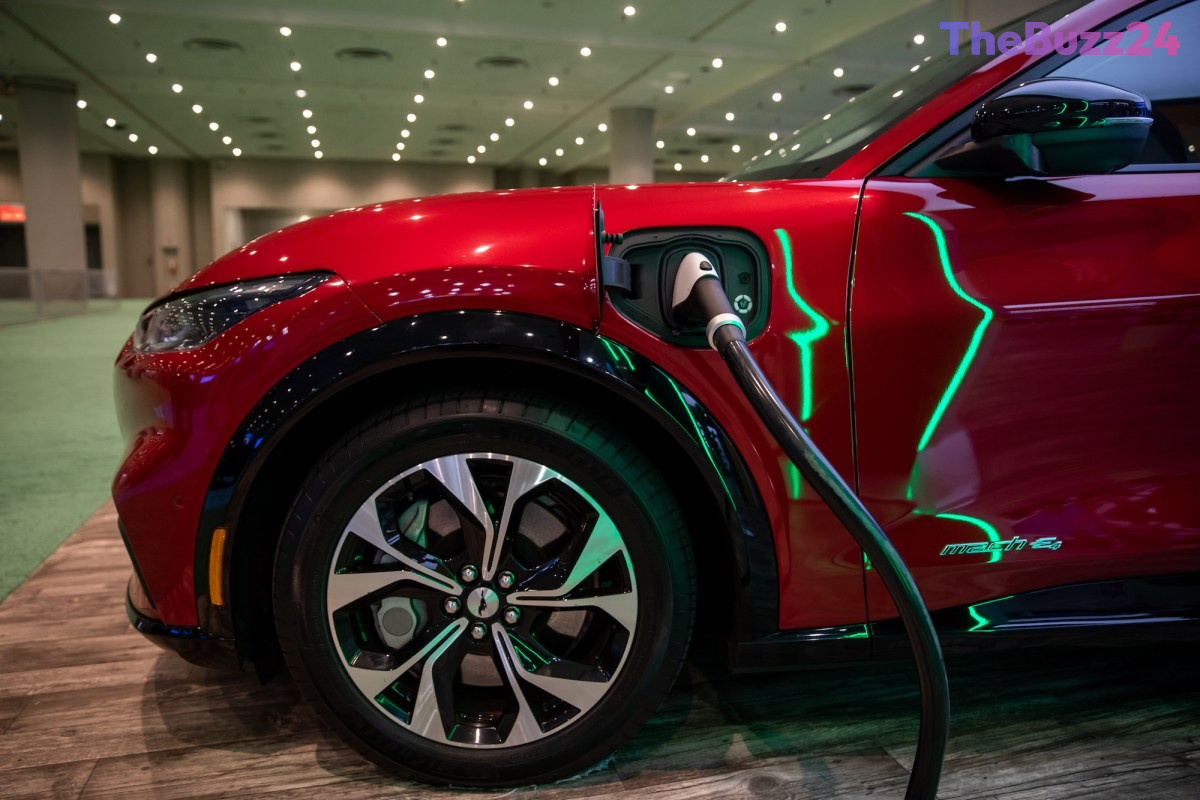
Detroit’s EV Pivot: Why GM and Ford Are Quietly Scaling Back Electric Vehicle Talk
The narrative surrounding the American automotive industry has undergone a significant transformation. Just a few years ago, General Motors and Ford were aggressively positioning themselves as leaders in the electric vehicle (EV) revolution, committing billions of dollars to electrification. However, recent financial data reveals a stark shift: both companies have noticeably reduced the frequency with which they discuss EVs during quarterly earnings calls, signaling a broader strategic retreat from their once-ambitious electrification timelines.
Analysis of earnings call transcripts from the past seven years indicates that mentions of electric vehicles have dropped significantly compared to the pre-pandemic era. This decline mirrors the operational reality on the ground, where both automakers have delayed new model launches, scaled back factory expansion plans, and adjusted production targets in response to shifting market demand and regulatory uncertainty. While both companies maintain that they remain committed to an electric future, the immediate focus of their investor communications has pivoted toward software, autonomous technology, and the profitability of their traditional internal combustion engine portfolios.
Representatives for both manufacturers emphasize that their long-term goals remain intact despite the change in rhetoric. General Motors has stated that its current priority is balancing EV capacity with evolving regulatory policies, while Ford is banking on its upcoming ‘Universal Electric Vehicle’ platform to capture the midsize truck market. Nevertheless, the data suggests that the initial fervor surrounding rapid, all-encompassing electrification has been replaced by a more cautious, pragmatic approach that prioritizes near-term financial stability and high-margin gas-powered vehicles over aggressive EV expansion.
Key Takeaways
- General Motors and Ford have significantly reduced the frequency of EV-related discussions in their quarterly earnings calls compared to previous years.
- Both automakers have shifted their strategic focus toward software, autonomous systems, and maintaining profitability in their traditional vehicle segments.
- The decline in EV rhetoric aligns with broader industry trends of delaying production targets and adjusting to changing federal regulatory and trade environments.
Editor’s Analysis & Impact
The cooling of EV discourse from Detroit’s legacy giants reflects a critical ‘reality check’ phase in the global automotive transition. Initially, automakers were incentivized by aggressive federal policy and optimistic consumer adoption forecasts to commit to rapid electrification. However, the combination of high interest rates, cooling consumer demand, and the removal of certain regulatory incentives has forced a pivot. By prioritizing high-margin gas vehicles, GM and Ford are effectively hedging their bets to ensure they have the capital to survive a slower-than-expected transition. The long-term implication is that the ‘all-electric’ future is being pushed further into the future, with the industry moving toward a hybrid-heavy transition period. Investors are clearly rewarding this fiscal discipline, as the market currently favors immediate profitability over the long-term, capital-intensive risks associated with full-scale EV manufacturing.
Frequently Asked Questions
Q: Are GM and Ford abandoning their electric vehicle plans entirely?
A: No. Both companies maintain that EVs remain a core part of their long-term strategy, but they have slowed their pace of investment and production to better align with current market demand and regulatory conditions.
Q: Why has the discussion of EVs decreased in recent earnings calls?
A: The decrease in discussion reflects a strategic shift toward other growth areas like software, autonomous technology, and the need to address investor concerns regarding profitability, trade policy, and the performance of their existing gas-powered vehicle lineups.
AI Disclosure: This article is based on verified data and official reports. Our Team and AI have cross-referenced every financial detail with primary sources to ensure total accuracy.
More from this Category