Devastation in Bédar: Southern Spain Reels from Deadly Wildfire Outbreak
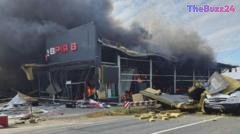
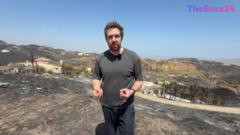
The village of Bédar, located in Spain’s Almería province, has been left in ruins following a catastrophic wildfire that swept through the region this week. Residents and emergency responders are now grappling with a landscape transformed into a sea of charred earth, as homes have been razed to the ground and local infrastructure has suffered extensive damage.
The fire, which ignited on Thursday, spread with alarming speed, overwhelming local defenses and forcing a massive mobilization of emergency services. Hundreds of firefighters have been deployed to the front lines to contain the inferno, which has already claimed the lives of 12 individuals. The scale of the destruction is significant, with local authorities confirming that approximately 6,600 hectares, or 16,300 acres, of land have been incinerated.
This tragedy occurs against the backdrop of a punishing summer across Southern Europe, where sustained heatwaves have pushed temperatures to dangerous levels, often hovering around 40C (104F). These extreme conditions have created a tinderbox environment, leading to widespread wildfire outbreaks across Spain, Portugal, and France. As the recovery process begins in Bédar, the incident serves as a grim reminder of the increasing frequency and intensity of climate-related disasters in the region.
Key Takeaways
- A massive wildfire in Bédar, Spain, has resulted in 12 confirmed fatalities and widespread destruction of property.
- The blaze has consumed over 6,600 hectares of land, fueled by extreme heatwave conditions.
- Southern Europe is currently facing a severe wildfire season, with Spain, Portugal, and France experiencing record-breaking temperatures.
Editor’s Analysis & Impact
The recurring and intensifying wildfire crises across Southern Europe signal a critical shift in the region’s environmental risk profile. The combination of prolonged heatwaves and arid conditions is creating a systemic threat to both rural communities and regional economies. From an industry perspective, this necessitates a fundamental rethink of emergency management strategies, urban planning, and agricultural insurance models. As these events become more frequent, the economic burden of disaster recovery and the cost of preventative infrastructure—such as improved forest management and early-warning satellite systems—will likely become a central focus for European policymakers. The broader implication is that climate adaptation is no longer a long-term goal but an immediate economic and social necessity to protect lives and maintain regional stability.
Frequently Asked Questions
Q: How many hectares have been destroyed by the wildfires in Almería?
A: The wildfires have burned through approximately 6,600 hectares, which is equivalent to about 16,300 acres.
Q: What is the primary cause of the current wildfire surge in Southern Europe?
A: The surge is primarily driven by a sustained heatwave with temperatures reaching 40C (104F), which has created extremely dry and flammable conditions across the region.
AI Disclosure: This article is based on verified data and official reports. Our Team and AI have cross-referenced every financial detail with primary sources to ensure total accuracy.
More from this Category