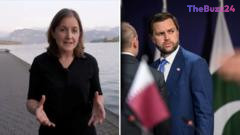
Diplomatic Speculation Surrounds JD Vance’s Recent Visit to Switzerland
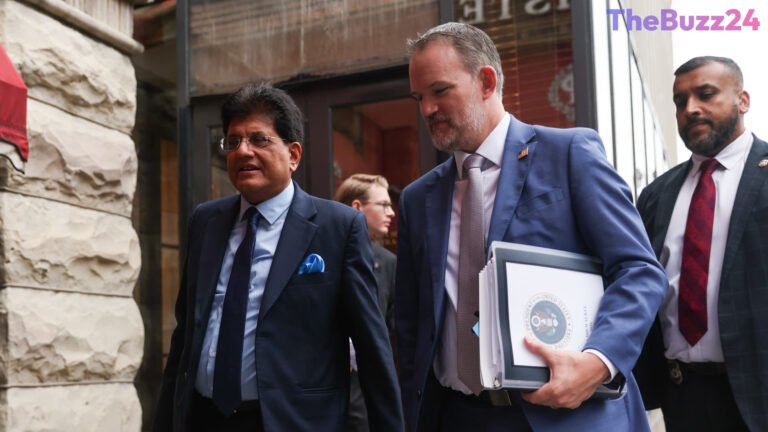
Senator JD Vance recently traveled to a luxury resort in Switzerland, sparking widespread speculation regarding the nature of his visit and potential back-channel diplomatic discussions. While the specific agenda of the trip remains officially undisclosed, the presence of the high-profile American politician in a neutral territory known for hosting sensitive international negotiations has drawn significant attention from geopolitical analysts.
The timing of the visit has fueled rumors concerning the state of Iran-U.S. relations. Observers are questioning whether the trip involved unofficial dialogues aimed at addressing ongoing tensions between Washington and Tehran. Historically, Swiss venues have served as critical conduits for communication between nations that lack formal diplomatic ties, leading many to wonder if Vance was engaged in preliminary discussions regarding regional security or nuclear policy.
Despite the intense public interest, representatives for Vance have remained tight-lipped regarding the specific meetings held during the trip. As global powers continue to monitor the volatile situation in the Middle East, the ambiguity surrounding this Swiss excursion highlights the complex and often opaque nature of modern international diplomacy. Whether this visit represents a shift in foreign policy strategy or a private engagement remains a subject of intense debate among political observers.
Key Takeaways
- Senator JD Vance's visit to a Swiss resort has triggered speculation about potential back-channel diplomacy with Iran.
- Switzerland is a frequent site for sensitive international negotiations between countries without formal diplomatic relations.
- Official sources have not confirmed the specific agenda of the trip, leaving the purpose of the meetings open to interpretation.
Editor’s Analysis & Impact
The appearance of a prominent U.S. political figure in a neutral, high-stakes diplomatic hub like Switzerland during a period of heightened geopolitical tension is inherently significant. Even in the absence of official confirmation, such movements are often interpreted by markets and international actors as signals of shifting foreign policy priorities. If these discussions were indeed related to Iran, it suggests a potential pivot toward more direct, albeit unofficial, engagement strategies. From a broader perspective, this incident underscores the fragility of current U.S.-Iran relations and the reliance on third-party intermediaries to manage escalation. Future implications include potential volatility in regional energy markets and shifts in defense policy, depending on whether these talks lead to a formal diplomatic thaw or remain an isolated event in the complex landscape of global statecraft.
Frequently Asked Questions
Q: Why is Switzerland often used for international diplomatic talks?
A: Switzerland is frequently chosen for sensitive negotiations because of its long-standing policy of neutrality and its history of acting as a protecting power for nations that have severed diplomatic ties.
Q: Has the purpose of JD Vance's trip been officially confirmed?
A: No, there has been no official confirmation regarding the specific agenda or the participants of the meetings held during the trip.
AI Disclosure: This article is based on verified data and official reports. Our Team and AI have cross-referenced every financial detail with primary sources to ensure total accuracy.
More from this Category