DOJ Scraps $1.8 Billion Trump Settlement Fund, But Tax Protections Remain Intact
The Department of Justice has officially abandoned plans to establish a controversial $1.8 billion “anti-weaponization” compensation fund, which was initially designed to resolve a lawsuit filed by President Donald Trump against the Internal Revenue Service. Acting Attorney General Todd Blanche confirmed the decision during a House Appropriations subcommittee hearing, stating definitively that the department would not move forward with the fund. Despite the cancellation of the multi-billion-dollar fund, Blanche confirmed that Trump, his family, and associated business entities will retain protection from tax audits and enforcement actions related to past tax filings.
The protections stem from an out-of-court settlement finalized last month, which included a May 19 addendum personally signed by Blanche. This addendum shields the Trump family from regulatory or legal actions concerning tax returns filed prior to the agreement. Furthermore, it prohibits the Justice Department from prosecuting the family under cases deemed to involve “Lawfare” or “Weaponization”—terms that remain legally undefined in the document. Critics, including several Republican lawmakers, had strongly opposed the $1.8 billion fund due to a lack of congressional oversight and concerns that the money could be distributed to individuals convicted in the January 6 Capitol riot.
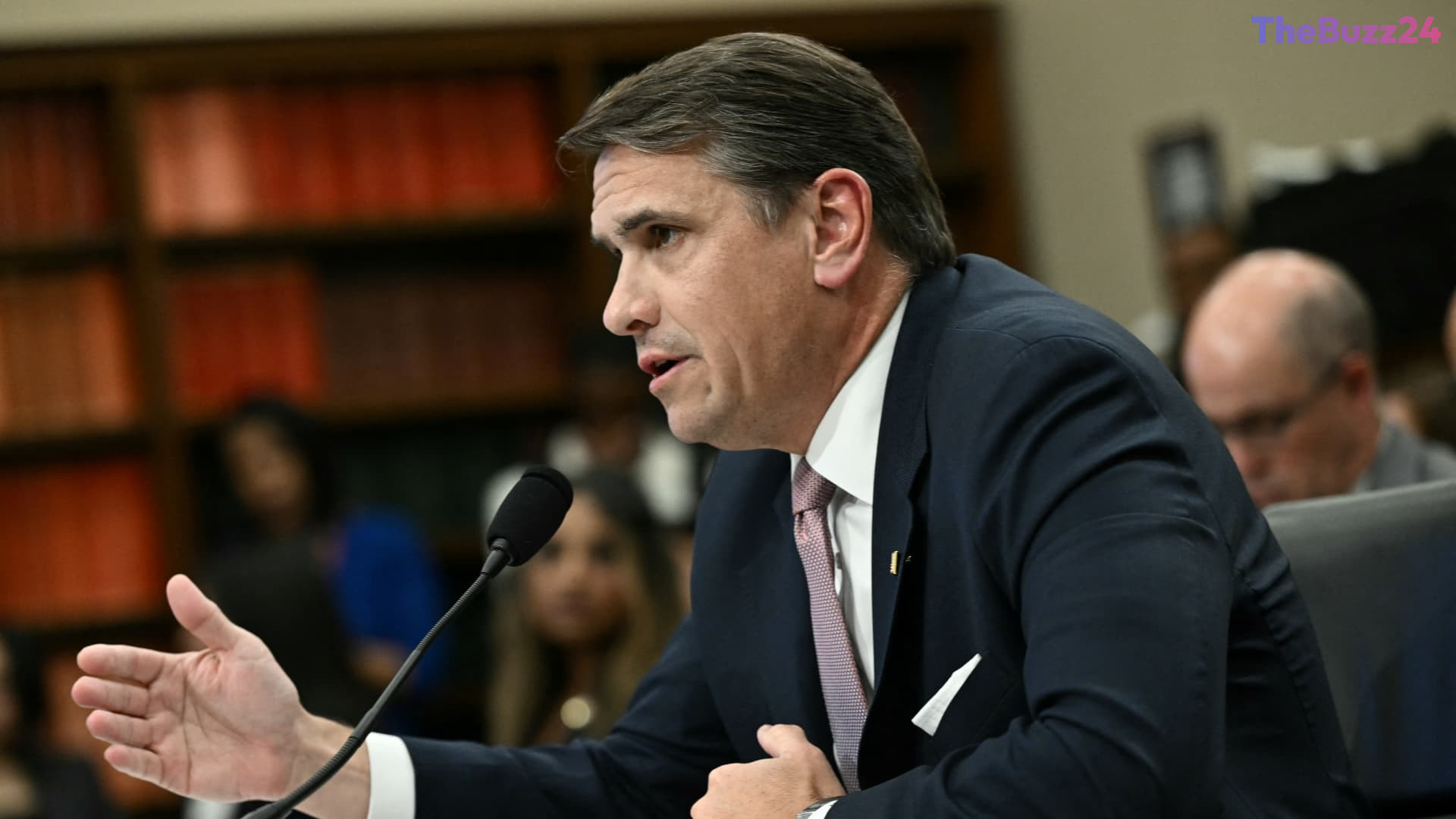
During the tense congressional hearing, Representative Rosa DeLauro, a Connecticut Democrat, sharply criticized Blanche, accusing him of granting the Trump family tax immunity worth an estimated $100 million. DeLauro also raised ethical concerns, pointing out that Trump’s Save America political action committee had paid Blanche nearly $10 million in 2024 for his services as Trump’s personal defense attorney before he assumed his role as acting Attorney General. Blanche defended his actions, denying any conflict of interest and arguing that resolving past audits is a standard practice in IRS settlements, emphasizing that the agreement does not grant future immunity.
Key Takeaways
- The Department of Justice has permanently canceled the planned $1.8 billion 'anti-weaponization' fund meant to settle Donald Trump's lawsuit against the IRS.
- Donald Trump, his family, and his businesses remain shielded from audits and prosecutions on past tax returns under the settlement's terms.
- Acting Attorney General Todd Blanche faced intense scrutiny from lawmakers over potential conflicts of interest due to his past role as Trump's defense attorney.
Editor’s Analysis & Impact
The decision to scrap the $1.8 billion compensation fund while preserving tax protections for the Trump family highlights the complex intersection of politics, law, and federal administration. By abandoning the fund, the Department of Justice managed to defuse a major bipartisan legislative backlash, particularly from lawmakers concerned about fiscal oversight and the potential misuse of taxpayer funds. However, the preservation of the audit protections ensures that the core of the controversy remains active. The optics of a former defense attorney, now acting as Attorney General, signing off on a deal that shields his former client from significant tax liabilities raises profound questions about institutional integrity and conflicts of interest. Moving forward, this settlement is likely to fuel ongoing debates over the weaponization of federal agencies and the boundaries of executive privilege, potentially prompting tighter legislative controls on how the DOJ settles high-profile civil disputes.
Frequently Asked Questions
Q: Why was the $1.8 billion compensation fund canceled?
A: The Department of Justice permanently abandoned the fund following intense bipartisan criticism regarding a lack of legislative oversight, pending legal challenges, and concerns over how the funds would be distributed.
Q: Does Donald Trump still have tax protection under the settlement?
A: Yes. While the monetary fund was canceled, the settlement's legal protections remain active, shielding Trump, his family, and his businesses from audits and enforcement actions on tax returns filed before the agreement.
Q: What conflict of interest allegations did Acting Attorney General Todd Blanche face?
A: Lawmakers questioned Blanche's impartiality because he previously served as Trump's personal criminal defense attorney, receiving nearly $10 million from Trump's Save America PAC in 2024 before taking his role at the DOJ.
AI Disclosure: This article is based on verified data and official reports. Our Team and AI have cross-referenced every financial detail with primary sources to ensure total accuracy.
More from this Category