Dow CEO Warns of Prolonged Logistics Crisis Following Strait of Hormuz Closure
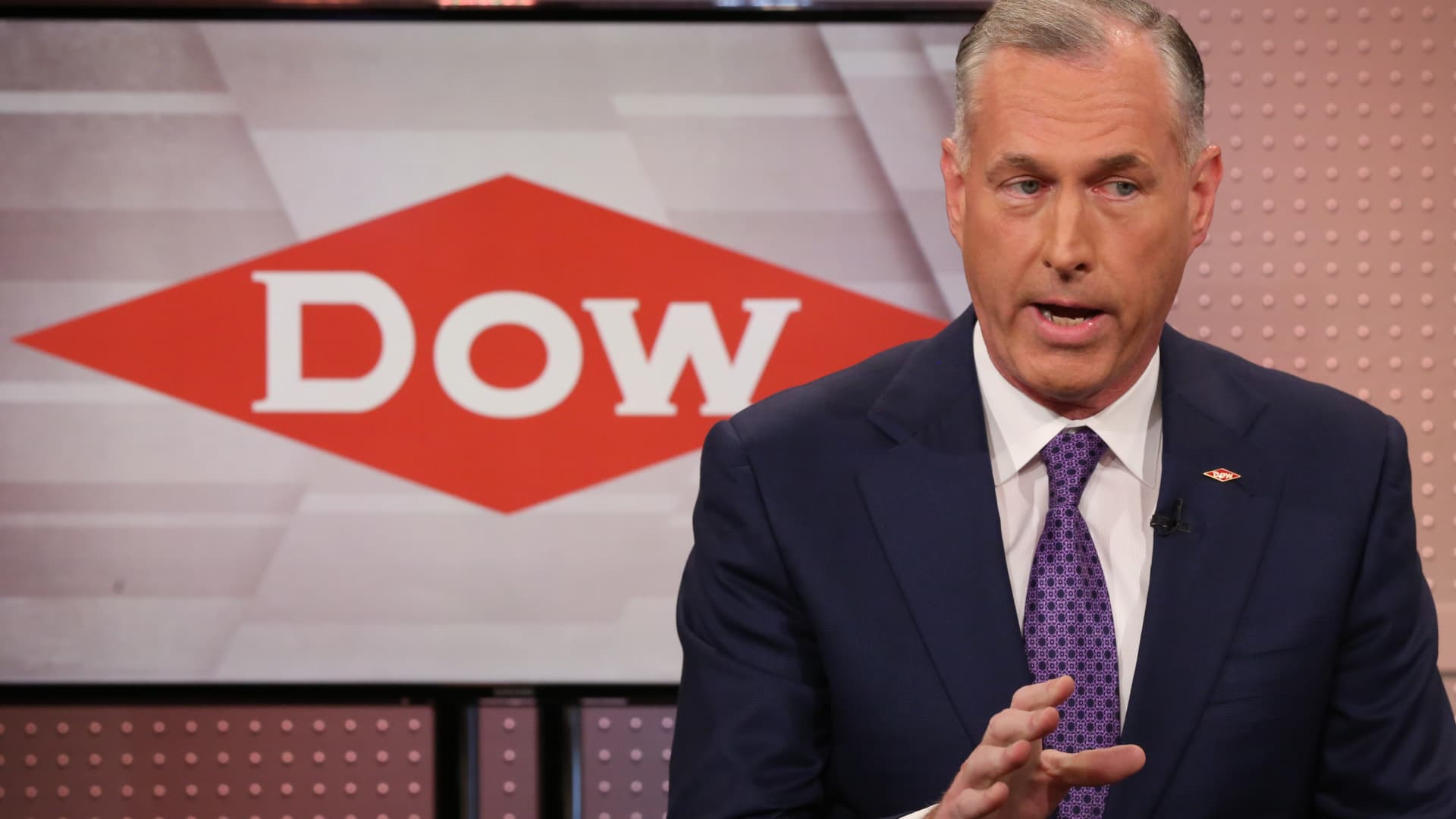
The global supply chain is bracing for a protracted period of instability following the closure of the Strait of Hormuz, a critical maritime chokepoint. Dow CEO Jim Fitterling has issued a stark warning that even if the route were to reopen immediately, the logistics industry would require at least 275 days to clear the massive backlog of vessels and restore the normal flow of goods. This recovery timeline suggests that the ripple effects of the disruption will be felt across several fiscal quarters.
Since the closure began in early March, the petrochemical sector has experienced severe operational strain. The Strait of Hormuz serves as a vital artery for energy and chemical feedstocks, with the current blockage affecting nearly 50% of global ethylene and polyethylene production. Additionally, the region is responsible for approximately 40% of the world’s naphtha supply, which is essential for manufacturing processes in both Asia and Europe. These constraints have triggered a sharp rise in production costs, leading to the most significant price surges for these materials in over ten years.
Despite these mounting logistical hurdles, Dow has demonstrated notable financial resilience. The company’s first-quarter earnings, reported on April 23, surpassed market expectations, signaling an ability to navigate the volatility effectively. Investors have reacted favorably to the firm’s performance, with Dow’s stock price climbing approximately 65% year-to-date as the company continues to manage the ongoing supply chain pressures.
Key Takeaways
- Dow CEO Jim Fitterling estimates a 275-day recovery period for global logistics following the Strait of Hormuz closure.
- The disruption has impacted 50% of global ethylene and polyethylene production, driving record-high price increases.
- Dow reported strong first-quarter earnings despite the crisis, with company stock rising 65% this year.
Editor’s Analysis & Impact
The closure of the Strait of Hormuz represents a systemic shock to the global petrochemical industry, highlighting the fragility of just-in-time supply chains. By disrupting the flow of essential feedstocks like naphtha, the crisis has forced a fundamental reassessment of risk management for multinational manufacturers. While Dow has successfully leveraged pricing power to offset these costs in the short term, the long-term outlook remains precarious. If the logistical backlog persists for the projected nine months, we can expect sustained inflationary pressure on consumer goods, as the costs of raw materials are eventually passed down the value chain. Investors should monitor how companies diversify their supply routes and inventory strategies, as the reliance on single-point maritime chokepoints is increasingly viewed as a critical vulnerability in the current geopolitical climate.
Frequently Asked Questions
Q: Why is the Strait of Hormuz so critical to the petrochemical industry?
A: The strait is a vital maritime artery that facilitates the transport of approximately 40% of the world's naphtha and nearly 50% of global ethylene and polyethylene production, which are essential for manufacturing plastics.
Q: How long does Dow expect the supply chain recovery to take?
A: Dow CEO Jim Fitterling estimates that it will take at least 275 days to clear the logistical backlog and normalize operations once the strait reopens.
AI Disclosure: This article is based on verified data and official reports. Our Team and AI have cross-referenced every financial detail with primary sources to ensure total accuracy.
More from this Category