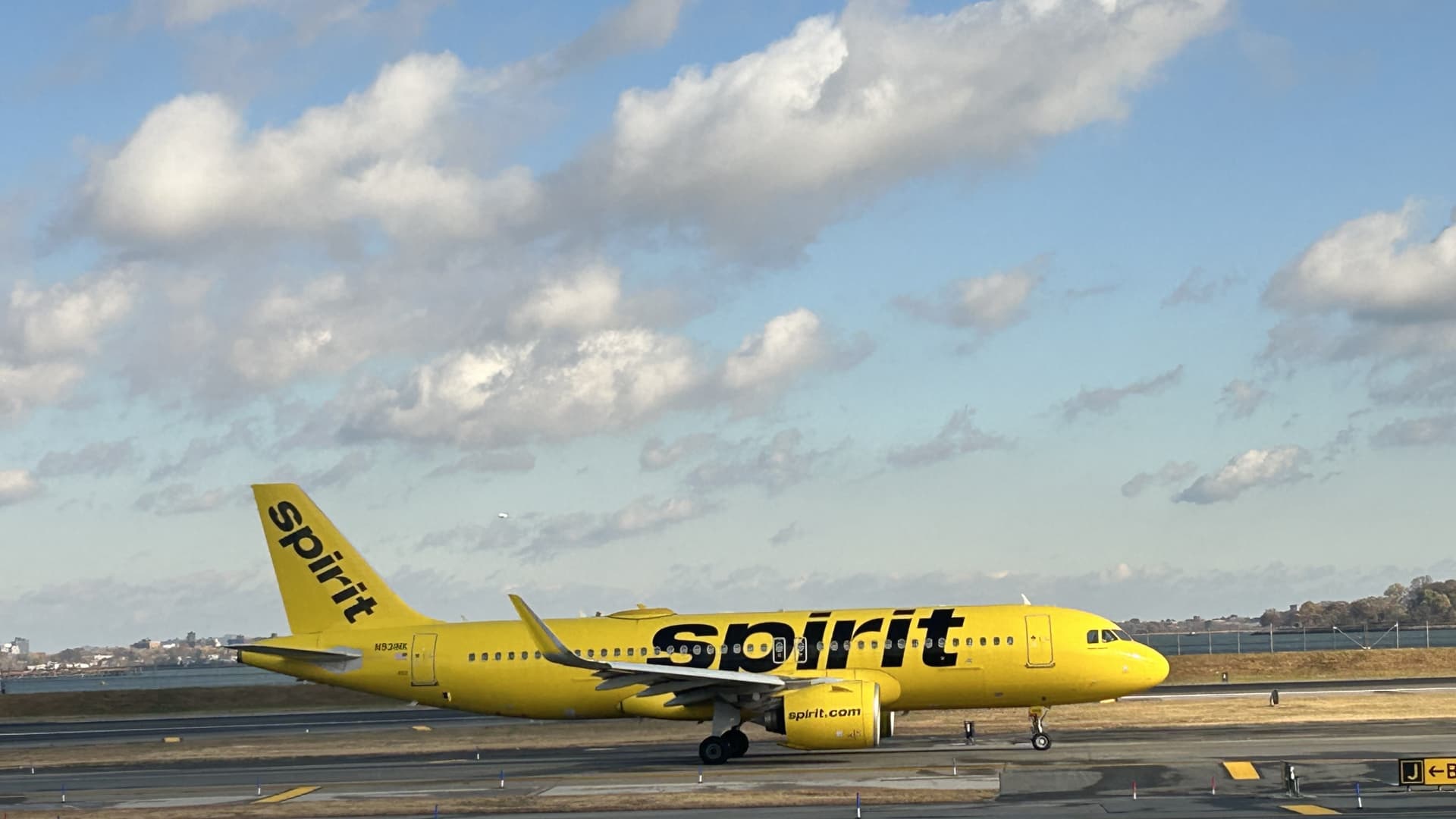
Spirit Airlines Faces Critical Cash Crunch as Federal Rescue Talks Intensify
Spirit Airlines is currently navigating a precarious financial landscape, with legal representatives warning a bankruptcy court that the carrier’s liquidity could be exhausted within days. The urgency of the situation has forced the airline into high-stakes negotiations with the federal government to secure a rescue package. Counsel for the company has indicated that immediate access to fresh financing or restricted cash reserves is essential by the end of next week to ensure the continuity of flight operations.
Discussions regarding a potential federal intervention involve a proposed $500 million loan. Under the terms currently being weighed, the government could secure a 90% equity stake in the Florida-based airline, along with a seat on its board of directors. This structure would prioritize the government’s position over existing lenders, aiming to safeguard the jobs of thousands of employees while maintaining the carrier’s role in the low-fare aviation market.
President Donald Trump has confirmed that his administration is actively evaluating options to either provide a bailout or facilitate a purchase of the airline. The President noted that fluctuations in oil prices could potentially improve the long-term profitability of such an investment. Spirit CEO Dave Davis has expressed gratitude for the administration’s involvement, highlighting the importance of preserving competition and affordable travel options for consumers.
The airline’s current instability stems from a confluence of factors, including the collapse of a planned merger with JetBlue, significant engine recall issues, and rising operational costs. While the company had previously targeted a mid-year exit from bankruptcy, the current cash crisis has accelerated the timeline, making government assistance a pivotal element in the airline’s survival and the broader stability of the low-cost aviation sector.
Key Takeaways
- Spirit Airlines faces an immediate liquidity crisis, requiring emergency funding by the end of next week to maintain operations.
- The federal government is considering a $500 million loan that could result in a 90% equity stake and board representation.
- The airline's financial distress is driven by a failed merger with JetBlue, engine recall costs, and broader economic pressures.
Editor’s Analysis & Impact
The potential federal takeover of Spirit Airlines represents a significant shift in how the government interacts with the private aviation sector. By considering a 90% equity stake, the administration is moving beyond traditional bailout models toward a quasi-nationalization strategy. This move highlights the strategic importance of maintaining low-cost carrier competition in the U.S. market, which is currently dominated by a few major players. If this deal proceeds, it sets a precedent for how distressed companies in critical infrastructure sectors might be handled in the future. However, the move also introduces risks regarding market distortion and the long-term viability of the airline’s business model, which has struggled to remain profitable even before the recent wave of operational and legal setbacks. The outcome will likely influence future consolidation trends within the airline industry.
Frequently Asked Questions
Q: Why is Spirit Airlines in danger of running out of cash?
A: The airline is facing a combination of high fuel costs, engine recall issues, the fallout from a blocked merger with JetBlue, and shifting consumer demand, all of which have severely strained its financial reserves.
Q: What would a government bailout mean for Spirit Airlines' ownership?
A: Under the current proposal, the federal government would provide a $500 million loan in exchange for a 90% equity stake in the company and a seat on its board of directors.
AI Disclosure: This article is based on verified data and official reports. Our Team and AI have cross-referenced every financial detail with primary sources to ensure total accuracy.
More from this Category