DR Congo Escalates Legal Battle Against Rwanda at International Court of Justice
The Democratic Republic of Congo (DRC) has officially initiated legal proceedings against Rwanda at the International Court of Justice (ICJ), marking a significant escalation in the long-standing diplomatic and military tensions between the two nations. The Congolese government alleges that Rwanda has systematically violated international treaties by deploying military forces and providing support to armed rebel groups operating within Congolese borders. This legal action seeks to hold Rwanda accountable for alleged breaches concerning genocide prevention, racial discrimination, the protection of women’s rights, and the prohibition of torture.
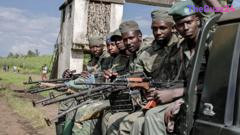
Central to the DRC’s filing is the accusation that Rwanda has been a primary backer of the M23 rebel group, which has seized significant territory in the mineral-rich eastern region of the DRC. While Rwanda has consistently denied these allegations, international observers and various global entities have frequently cited evidence suggesting a direct link between Kigali and the insurgent forces. The DRC is now requesting that the ICJ intervene by ordering an immediate cessation of these military activities and mandating reparations for the victims of the ongoing conflict.
This move represents a renewed attempt by the DRC to seek international arbitration, following previous unsuccessful legal challenges in 2001 and 2006. The roots of the current instability trace back to the aftermath of the 1994 Rwandan genocide, which triggered a massive displacement of populations and created a complex web of ethnic tensions and militia activity. Despite multiple peace agreements and international mediation efforts, the security situation in the region remains volatile, with both nations trading accusations regarding the presence of hostile armed groups on their respective territories.
Key Takeaways
- The Democratic Republic of Congo has filed a formal case at the ICJ accusing Rwanda of violating international treaties and supporting armed rebels.
- The DRC is seeking reparations and a court-ordered cessation of alleged military operations by Rwanda within its borders.
- The conflict is deeply tied to the historical fallout of the 1994 Rwandan genocide and the ongoing presence of various militias in eastern DRC.
Editor’s Analysis & Impact
The decision by the Democratic Republic of Congo to bring Rwanda before the International Court of Justice highlights the failure of diplomatic and regional peace initiatives to stabilize the Great Lakes region. By shifting the conflict from the battlefield to the courtroom, the DRC is attempting to leverage international law to pressure Rwanda, though the efficacy of such a move remains uncertain given Rwanda’s historical resistance to ICJ jurisdiction. The broader implications suggest a deepening of the geopolitical divide in Central Africa, which threatens to further destabilize the mineral-rich eastern DRC. Investors and regional stakeholders should expect continued volatility, as the legal proceedings are likely to be protracted and may further harden the stances of both governments, potentially undermining future peace negotiations and regional economic integration efforts.
Frequently Asked Questions
Q: What is the primary goal of the DRC's lawsuit against Rwanda?
A: The DRC aims to hold Rwanda accountable for alleged violations of international law, including genocide prevention and human rights abuses, while seeking reparations and an end to Rwanda's alleged support for rebel groups.
Q: Has the DRC attempted to sue Rwanda at the ICJ before?
A: Yes, the DRC filed cases in 2001 and 2006; however, the 2001 case was dropped, and the 2006 case was dismissed because the court determined it lacked jurisdiction over Rwanda at that time.
AI Disclosure: This article is based on verified data and official reports. Our Team and AI have cross-referenced every financial detail with primary sources to ensure total accuracy.
More from this Category