AI-Driven Memory Chip Shortage Propels DRAM ETF to Historic $9.8 Billion Milestone
The Roundhill Memory ETF (DRAM) has shattered industry records by securing $9.8 billion in assets under management in a mere 43 days post-launch. This unprecedented growth represents the fastest capital accumulation for any exchange-traded fund in history. Driven by an 80% surge in value since its debut, the fund’s meteoric rise underscores the massive investor appetite for the hardware components that underpin the artificial intelligence boom.
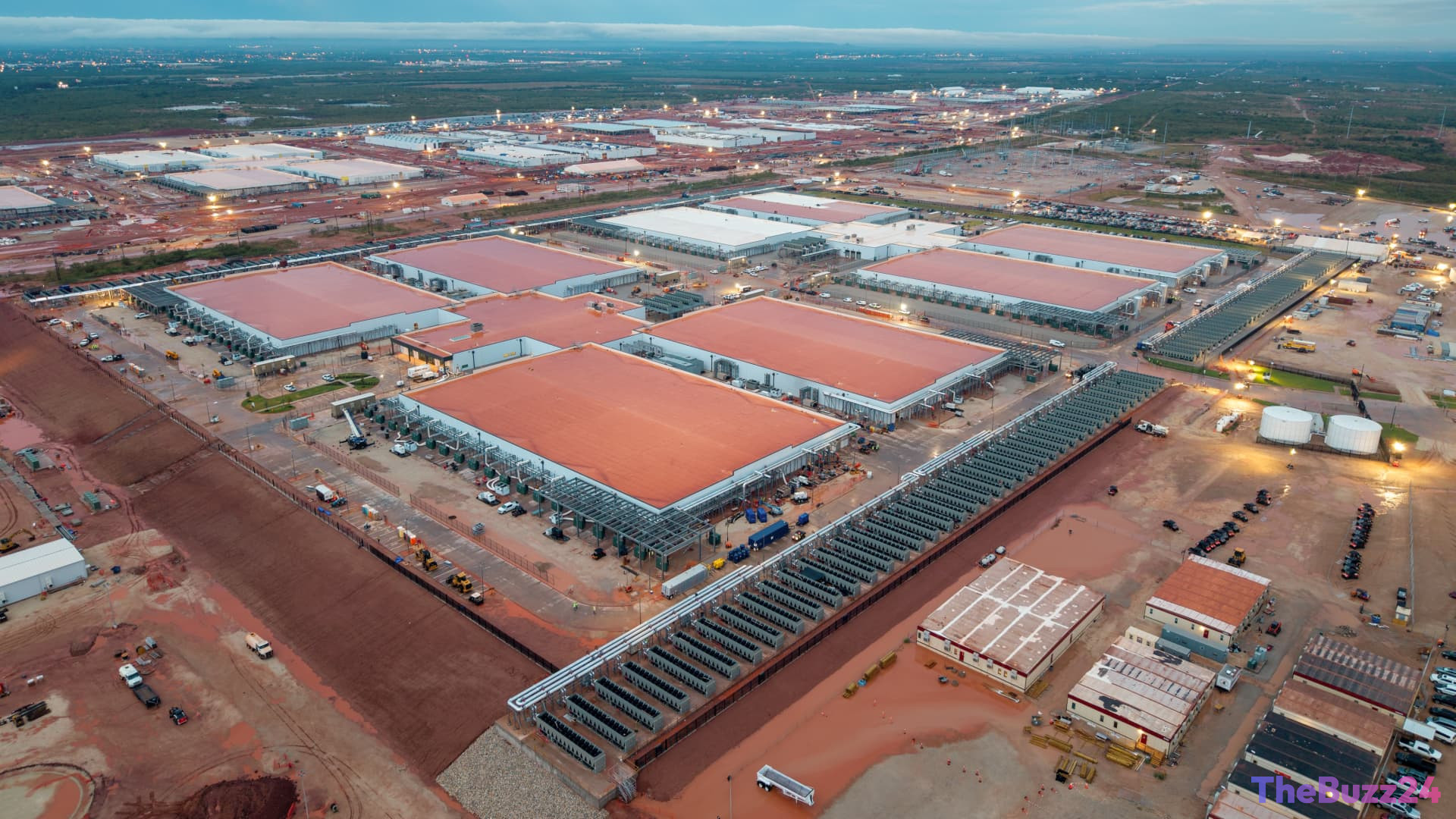
At the heart of this financial surge is the critical role of high-bandwidth memory (HBM) chips, which are essential for powering advanced AI models. Industry leaders, including Dave Mazza, have identified memory chips as the primary bottleneck in the ongoing expansion of AI infrastructure. Because only a handful of specialized manufacturers possess the technology to produce these complex HBM chips, a severe supply-and-demand imbalance has emerged, leaving data centers and tech giants scrambling for inventory.
Historically, the memory chip sector has been notoriously cyclical, defined by volatile boom-and-bust periods tied to consumer electronics like smartphones and televisions. However, the current AI wave represents a structural shift. Experts project that this supply deficit could persist until at least 2028 as hyperscale data centers continue to expand. Financial analysts, including Todd Rosenbluth, have noted that the rapid adoption of the DRAM ETF mirrors the intense retail and institutional enthusiasm previously reserved for major cryptocurrency assets.
Despite recent market fluctuations, market strategists remain highly optimistic about the long-term trajectory of the DRAM ETF. Drew Pettit pointed out that the fund’s strong price momentum is backed by robust corporate earnings forecasts. With projected earnings for underlying companies expected to multiply six to eight times over the coming years, current valuations appear justified. This solid fundamental backing suggests that the memory sector will remain a cornerstone of global technology investments for the foreseeable future.
Key Takeaways
- The Roundhill Memory ETF (DRAM) became the fastest-growing ETF in history, reaching $9.8 billion in assets under management within 43 days.
- High-bandwidth memory (HBM) chips have become the primary bottleneck in AI development due to limited manufacturing capabilities and soaring demand.
- The supply-demand imbalance in the memory chip market is projected to last until at least 2028, shifting the sector from a cyclical consumer-driven market to a structural AI-driven powerhouse.
Editor’s Analysis & Impact
The unprecedented rise of the DRAM ETF highlights a critical reality of the artificial intelligence gold rush: the physical infrastructure—specifically high-bandwidth memory (HBM)—is the true gatekeeper of progress. While software and consumer-facing AI applications capture public imagination, the hardware bottleneck creates a highly defensive moat for the select few semiconductor firms capable of manufacturing these advanced chips. This dynamic is driving massive institutional inflows. Looking ahead, this supply deficit will likely accelerate consolidation and heavy capital expenditure in the semiconductor industry. While cyclical risks still exist, the structural demand from hyperscale data centers ensures that memory is no longer just a commodity, but a strategic global asset. Investors should expect sustained volatility but strong underlying fundamentals as the AI build-out continues through the decade.
Frequently Asked Questions
Q: Why is the DRAM ETF growing so rapidly?
A: The DRAM ETF is experiencing historic growth because it tracks companies producing high-bandwidth memory (HBM) chips, which are currently the primary bottleneck and most in-demand hardware component for artificial intelligence and data center expansion.
Q: How long is the memory chip shortage expected to last?
A: Industry experts estimate that the supply-demand imbalance for advanced memory chips could persist until at least 2028, driven by the continuous build-out of AI infrastructure.
Q: Is the memory chip market still cyclical?
A: While traditionally cyclical due to its reliance on consumer electronics like smartphones, the memory market is undergoing a structural shift toward long-term, stable demand fueled by enterprise AI and hyperscale cloud computing.
AI Disclosure: This article is based on verified data and official reports. Our Team and AI have cross-referenced every financial detail with primary sources to ensure total accuracy.
More from this Category