Escalating Conflict Complicates Ebola Containment Efforts in DR Congo
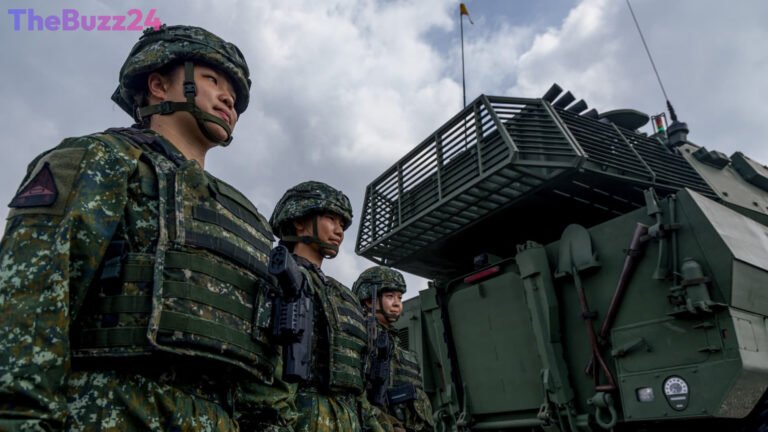
The Democratic Republic of Congo is grappling with a severe public health crisis as an Ebola outbreak in the Ituri province reaches a critical stage. The situation is being significantly worsened by persistent regional violence, which has created a dangerous environment for medical responders and hindered essential containment strategies. Health authorities have warned that the combination of viral transmission and military instability is creating a catastrophic scenario that threatens to overwhelm local healthcare infrastructure.
Frontline medical personnel are currently facing immense challenges, including damaged infrastructure and the constant threat of armed conflict, which has effectively severed vital supply lines and containment corridors. This lack of humanitarian access has made it increasingly difficult for teams to conduct contact tracing or provide consistent care to those infected. The ongoing displacement of civilians further complicates efforts to monitor the virus, as populations move frequently to escape violence, potentially spreading the infection to new areas.
In an effort to mitigate the risk of international transmission, several countries have introduced stringent travel protocols and quarantine requirements for travelers arriving from the affected regions. Meanwhile, medical teams are working to rapidly expand diagnostic and testing capabilities to better understand the scale of the outbreak. With no definitive cure for this specific strain, the primary strategy remains focused on aggressive contact tracing, community engagement, and the potential deployment of experimental treatments to stabilize the situation.
Key Takeaways
- The Ebola outbreak in Ituri, DR Congo, is being severely hampered by ongoing regional military conflict.
- Humanitarian access is restricted, preventing effective contact tracing and the delivery of medical supplies.
- International authorities are implementing travel restrictions while focusing on rapid testing and experimental treatment deployment.
Editor’s Analysis & Impact
The intersection of infectious disease outbreaks and active conflict zones represents one of the most complex challenges in global health security. The situation in the DR Congo highlights how geopolitical instability can dismantle years of progress in public health infrastructure. From a market and industry perspective, this crisis underscores the urgent need for portable, rapid-diagnostic technologies and more resilient supply chain logistics for medical aid in hostile environments. The broader implication is a potential shift in how international health organizations approach ‘conflict-sensitive’ medicine. If the outbreak is not contained, the economic and social costs of regional instability will likely increase, potentially leading to further isolation of the affected provinces and a long-term strain on global health resources. Future outlooks remain cautious, as the success of containment is now inextricably linked to the success of local peace-building efforts.
Frequently Asked Questions
Q: Why is the Ebola outbreak in the DR Congo particularly difficult to manage?
A: The outbreak is difficult to manage because active military conflict in the Ituri province prevents medical teams from accessing affected areas, conducting contact tracing, and delivering consistent care.
Q: What measures are being taken to prevent the spread of the virus internationally?
A: Several nations have implemented strict travel restrictions and mandatory quarantine measures for individuals arriving from the affected regions to monitor and mitigate the risk of cross-border transmission.
AI Disclosure: This article is based on verified data and official reports. Our Team and AI have cross-referenced every financial detail with primary sources to ensure total accuracy.
More from this Category