Generic Competition Disrupts India’s Weight-Loss Drug Market
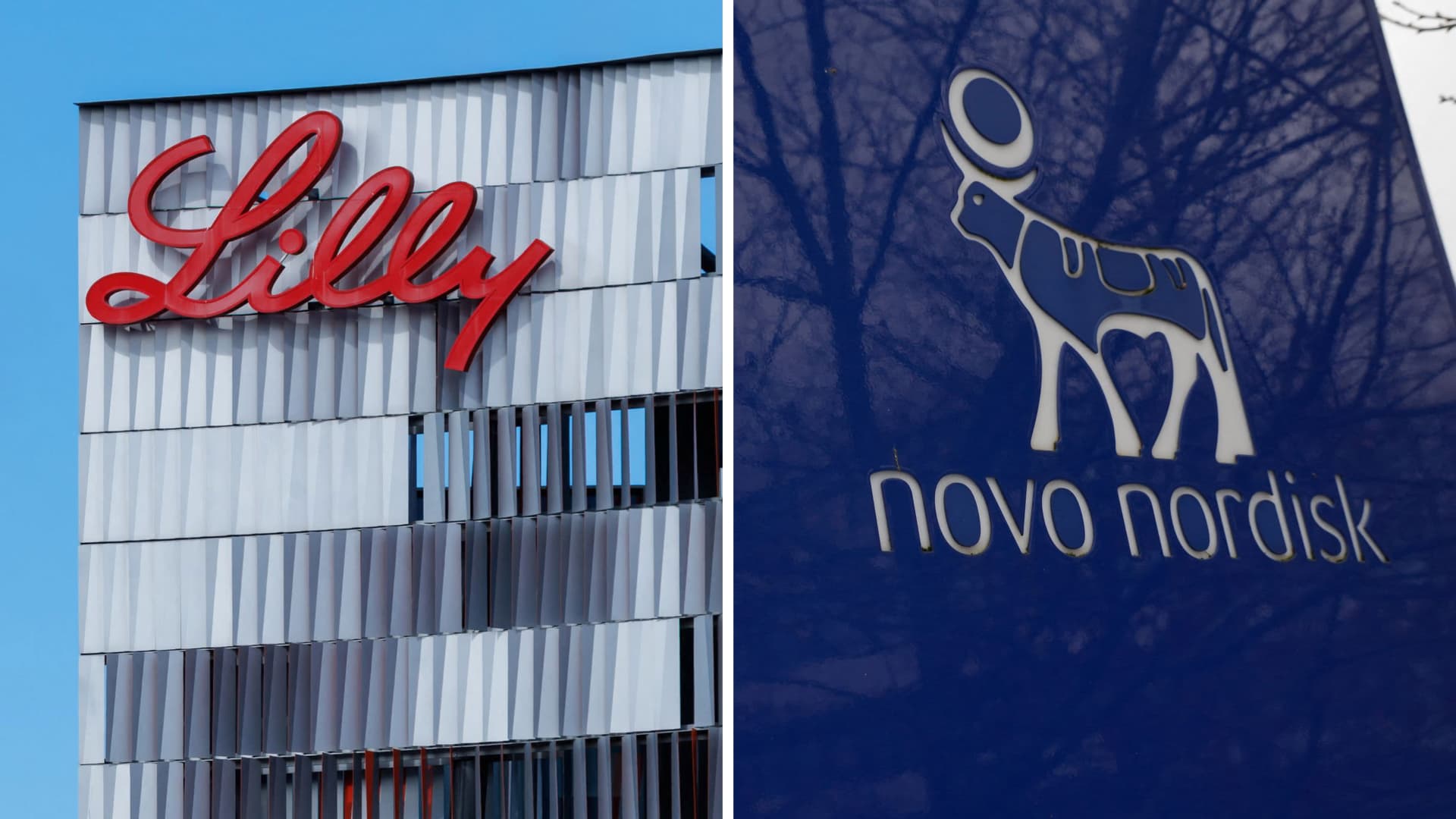
The landscape for weight-loss and diabetes treatments in India is undergoing a rapid transformation as generic manufacturers flood the market with affordable alternatives. Eli Lilly, which previously held a dominant position, saw its market share dip from 61% to 56% in March alone. This decline highlights the growing pressure from local pharmaceutical firms that are capitalizing on the expiration of key patents to offer significantly cheaper versions of popular GLP-1 medications.
Following the patent expiration for semaglutide, the active ingredient in major weight-loss drugs, 13 Indian companies have launched 26 new brands. This influx of competition is particularly impactful in a nation where approximately 100 million people live with diabetes and a significant portion of the population struggles with obesity. As the ‘world’s pharmacy,’ India’s robust manufacturing infrastructure allows these companies to produce treatments at a fraction of the cost of international branded versions.
Eli Lilly’s tirzepatide-based products, such as Mounjaro, currently face a difficult pricing environment. With monthly costs reaching 13,800 rupees, these treatments are significantly more expensive than the new generic options, which can be found for as low as 1,290 rupees. While Novo Nordisk has managed to hold its market share steady at 25% by aggressively cutting prices on Ozempic and Wegovy, the broader market is clearly shifting toward budget-friendly solutions. Analysts expect this trend to continue as domestic giants like Sun Pharmaceutical, Torrent Pharmaceuticals, Dr. Reddy’s, and Zydus Lifesciences look to capture a larger slice of a market projected to reach 50 billion rupees by 2030.
Key Takeaways
- Eli Lilly's market share in India dropped to 56% as generic competition intensified.
- The expiration of semaglutide patents led to the launch of 26 new generic brands in India.
- Novo Nordisk maintained its 25% market share by implementing significant price reductions on its branded GLP-1 drugs.
Editor’s Analysis & Impact
The surge of generic GLP-1 medications in India serves as a bellwether for the global pharmaceutical industry. As patent protections expire, the ‘premium’ pricing model for blockbuster weight-loss drugs is being challenged by high-volume, low-margin domestic manufacturers. This shift suggests that while global giants like Eli Lilly and Novo Nordisk will continue to lead in innovation and clinical trust, they must adapt their pricing strategies to remain relevant in emerging markets. The long-term implication is a democratization of weight-loss treatments, which will likely accelerate global adoption but force a fundamental restructuring of revenue models for multinational pharmaceutical companies. Investors should monitor how these firms balance R&D costs against the inevitable commoditization of their most successful products.
Frequently Asked Questions
Q: Why are generic weight-loss drugs becoming so popular in India?
A: Generic drugs are significantly more affordable, with some versions costing as little as 1,290 rupees per month, compared to over 13,000 rupees for branded alternatives.
Q: How has Novo Nordisk responded to the rise of generic competition?
A: Novo Nordisk has strategically reduced the prices of its Ozempic and Wegovy products by 38% and 48% respectively to remain competitive against lower-cost generic versions.
AI Disclosure: This article is based on verified data and official reports. Our Team and AI have cross-referenced every financial detail with primary sources to ensure total accuracy.
More from this Category