Global Energy Markets Face Prolonged Instability as Strait of Hormuz Remains Blocked
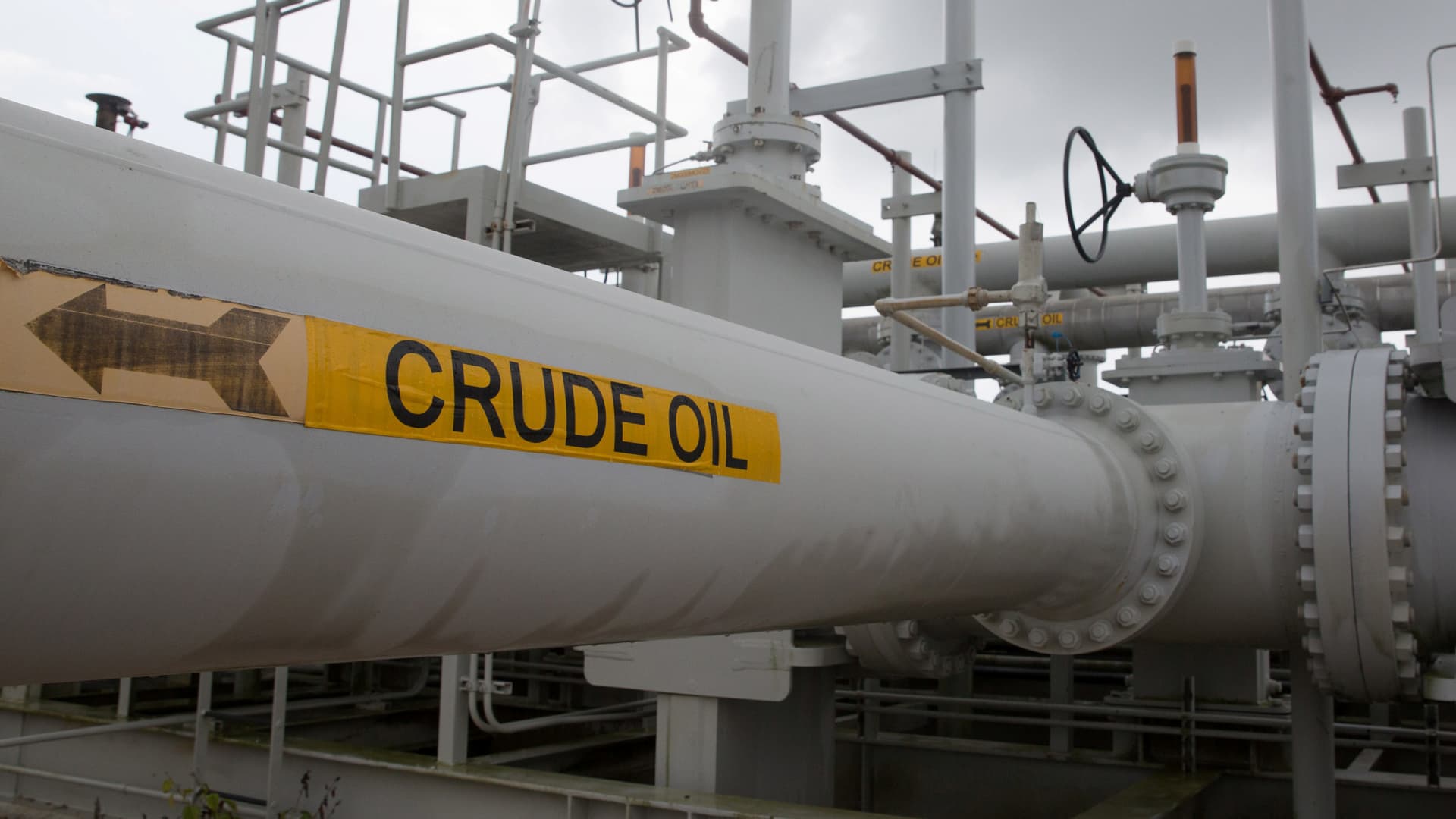
Global oil markets are experiencing sustained upward pressure as the Strait of Hormuz remains effectively impassable. Despite a recent two-week ceasefire agreement between the United States and Iran, the vital maritime chokepoint—which typically facilitates the movement of roughly 20% of the world’s oil supply—continues to see minimal traffic. This ongoing disruption has kept energy markets in a state of high volatility, with West Texas Intermediate crude futures rising to $98.58 per barrel and Brent crude reaching $96.56.
Logistics and shipping operators are currently navigating a chaotic environment, as there are no clear protocols for safe passage through the region. Many shipowners are choosing to avoid the area entirely, while others are forced to pay significant financial premiums to navigate closer to the Iranian coastline. The absence of reliable communication channels with local authorities has created a stalemate, forcing the industry to maintain a cautious posture that mirrors the intensity of the conflict’s peak.
Adding to the supply strain, Saudi Arabia is contending with severe production disruptions following targeted strikes on its energy infrastructure. Damage to the East-West Pipeline has slashed crude transport capacity by 700,000 barrels per day, while additional strikes on the Manifa and Khurais oil fields have removed another 600,000 barrels per day from the market. Because the pipeline was intended to serve as a primary alternative to the Strait of Hormuz, these infrastructure hits have significantly hampered Riyadh’s ability to export oil.
With Gulf imports falling below 2 million barrels per day and transit times for remaining shipments increasing, global buyers are being forced to rely on existing stockpiles. Analysts warn that the combination of the blocked waterway and regional infrastructure damage suggests that fuel prices will likely remain elevated for the foreseeable future, as the intended benefits of the ceasefire have yet to materialize in the energy sector.
Key Takeaways
- The Strait of Hormuz remains largely closed to traffic, preventing the flow of approximately 20% of global oil supplies.
- Saudi Arabia's export capacity has been severely reduced by 1.3 million barrels per day due to infrastructure damage at key pipelines and oil fields.
- Global energy markets are expected to face continued price volatility as buyers rely on dwindling stockpiles to offset the lack of transit through the Gulf.
Editor’s Analysis & Impact
The current situation in the Strait of Hormuz represents a critical failure in energy security, highlighting the fragility of global supply chains when faced with geopolitical instability. The simultaneous closure of a major maritime chokepoint and the degradation of Saudi Arabian infrastructure creates a ‘perfect storm’ for energy markets. From a market perspective, the inability of a ceasefire to restore operational normalcy suggests that the risk premium on oil will remain high, potentially fueling global inflation. Future outlooks remain bearish for supply, as the lack of communication protocols indicates that even if the physical blockade is lifted, the logistical recovery will be slow. Investors should anticipate sustained volatility and a potential shift in long-term energy policy as nations prioritize diversifying supply routes to mitigate reliance on vulnerable transit corridors.
Frequently Asked Questions
Q: Why is the Strait of Hormuz so important to global oil prices?
A: The Strait of Hormuz is a critical maritime chokepoint that handles approximately 20% of the world's total oil supply; any disruption there creates immediate supply shortages and market panic.
Q: How are the attacks on Saudi infrastructure affecting the global market?
A: The attacks have reduced Saudi Arabia's export capacity by 1.3 million barrels per day, removing a vital alternative supply route and further tightening global oil availability.
AI Disclosure: This article is based on verified data and official reports. Our Team and AI have cross-referenced every financial detail with primary sources to ensure total accuracy.
More from this Category