Global Markets Maintain Steady Stance Amidst Fragile Middle East Truce
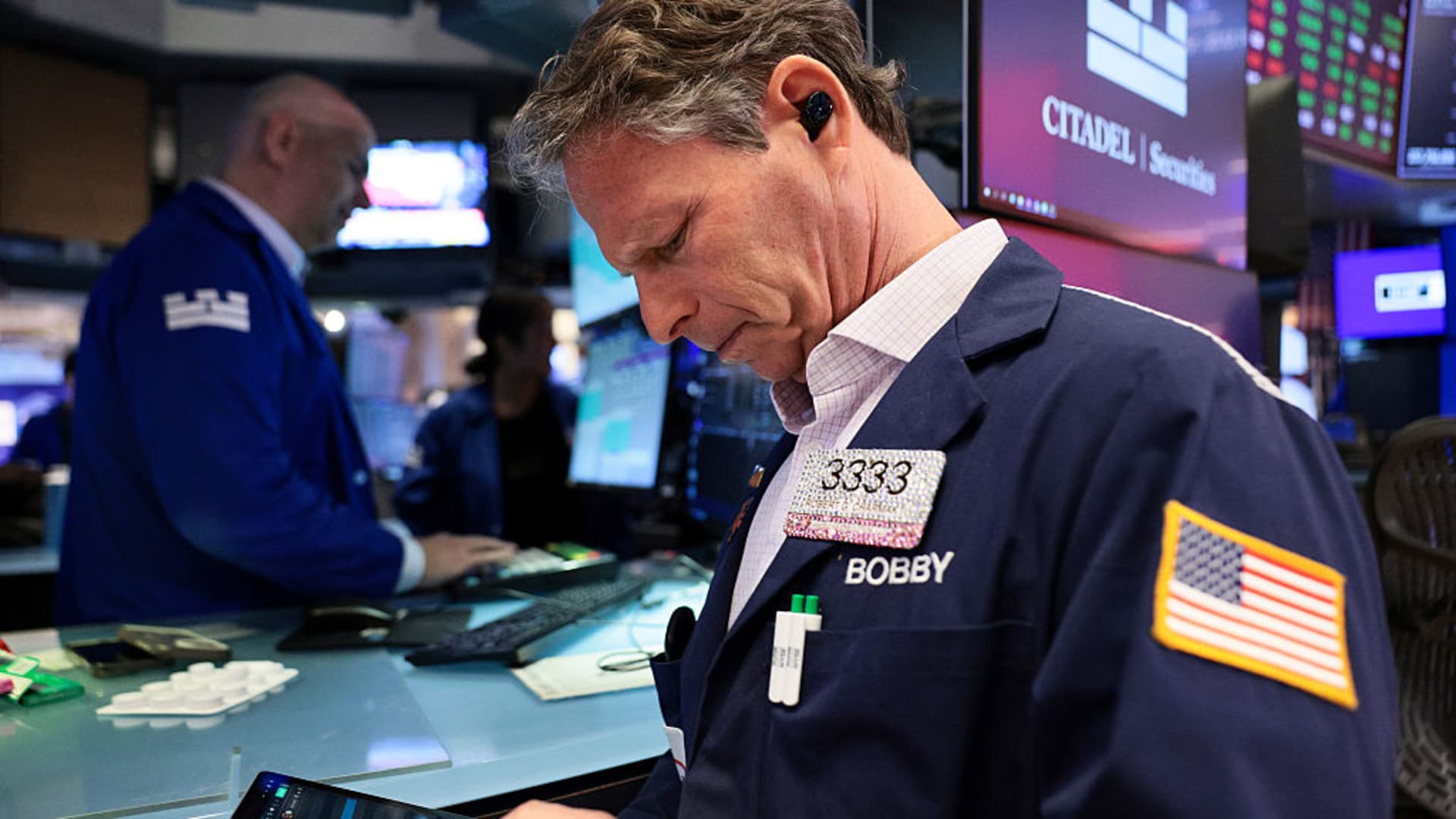
Global financial markets are exhibiting a cautious stability as the two-week ceasefire between the United States and Iran continues to hold. Following a period of significant volatility, investors are closely watching the region for signs of lasting peace, even as the Strait of Hormuz remains closed, keeping energy supply concerns at the forefront of market sentiment.
Major U.S. indices, including the S&P 500, Nasdaq 100, and the Dow Jones Industrial Average, are trading near flat levels following a strong rally earlier in the week. While geopolitical tensions have introduced uncertainty, the prevailing market outlook remains cautiously optimistic. Investors are increasingly focused on the upcoming earnings season, banking on the expectation that energy prices will normalize in the coming months, providing a more stable foundation for corporate growth.
International markets have mirrored this resilience, with indices across Japan, China, and South Korea posting gains. Japan has proactively addressed energy security concerns by announcing plans to release oil reserves beginning in May, while positive factory-gate price data from China has offered a boost to regional sentiment. As the week draws to a close, market participants are shifting their focus toward critical economic indicators, including the consumer price index and durable goods reports, which will be instrumental in gauging the broader economic trajectory amidst ongoing geopolitical pressures.
Key Takeaways
- Global equity markets are holding steady as a two-week ceasefire between the U.S. and Iran remains in effect.
- Japan is taking steps to secure energy supplies by releasing oil reserves starting in May to counter regional volatility.
- Investors are shifting focus toward upcoming U.S. economic data, such as the consumer price index, to assess the impact of regional tensions on the broader economy.
Editor’s Analysis & Impact
The current market environment reflects a classic ‘wait-and-see’ approach to geopolitical risk. While the ceasefire has provided a necessary reprieve from the initial shock of the conflict, the continued closure of the Strait of Hormuz acts as a persistent ceiling on market confidence. The resilience of global indices suggests that investors have largely priced in the immediate risks, shifting their attention toward fundamental economic health and corporate earnings. Looking ahead, the stability of energy prices will be the primary catalyst for market direction. If the ceasefire holds and supply chains through the Strait of Hormuz begin to normalize, we could see a sustained rally. However, any escalation in the region would likely trigger a sharp reversal, as the market remains highly sensitive to energy-related inflationary pressures.
Frequently Asked Questions
Q: Why are markets still cautious despite the ceasefire?
A: Markets remain cautious because the Strait of Hormuz remains closed, which continues to threaten global energy supply chains and keeps energy prices volatile.
Q: What are investors looking for in the coming weeks?
A: Investors are primarily focused on upcoming economic reports like the consumer price index and durable goods data, as well as the start of the corporate earnings season to gauge economic health.
AI Disclosure: This article is based on verified data and official reports. Our Team and AI have cross-referenced every financial detail with primary sources to ensure total accuracy.
More from this Category