Emergency Evacuation at Tokyo’s Ginza Six Mall Following Chemical Attack
A significant emergency response was triggered at the Ginza Six luxury shopping complex in Tokyo on Monday after an unidentified chemical substance was released, leading to the hospitalization of at least 19 people. The incident began when shoppers and staff on the ground floor reported a pungent, irritating odor, prompting an immediate call to emergency services.
Law enforcement officials investigating the scene suspect that a man intentionally deployed the irritant near an ATM inside the facility. Early analysis suggests the substance may contain capsaicin, the potent compound found in chili peppers, which is known to cause severe respiratory distress and skin irritation upon contact. Witnesses at the scene described a chaotic environment, noting symptoms such as throat pain, coughing, and a numbing sensation as the chemical spread through the air.
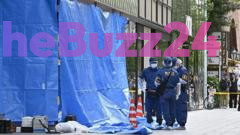
In response to the threat, police and fire departments established a perimeter around the mall, deploying specialized hazmat teams to decontaminate the area and provide medical assistance to those affected. While the building was temporarily cordoned off to ensure public safety and facilitate a thorough forensic investigation, authorities are currently working to identify and locate the suspect. No arrests have been made, and the investigation into the motive and the exact nature of the chemical remains active.
Key Takeaways
- At least 19 people were hospitalized following a chemical irritant release at the Ginza Six mall in Tokyo.
- Authorities suspect a man intentionally sprayed a capsaicin-based substance near an ATM.
- Emergency responders deployed hazmat teams to decontaminate the area, and a manhunt for the suspect is currently underway.
Editor’s Analysis & Impact
The incident at Ginza Six highlights the ongoing vulnerability of high-traffic public spaces to targeted, low-tech disruptions. While the use of a capsaicin-based irritant suggests a non-lethal intent, the psychological and operational impact on a major retail hub is significant. From a security perspective, this event will likely force luxury retail operators in Tokyo to re-evaluate their indoor surveillance and rapid-response protocols. The broader implication is a potential shift toward stricter security screening or increased security presence in high-end shopping districts that have traditionally prioritized an open, welcoming atmosphere. As authorities continue their search, the incident serves as a reminder of the challenges in securing large, multi-use commercial environments against unpredictable individual actors.
Frequently Asked Questions
Q: What substance was used in the Ginza Six incident?
A: Preliminary investigations suggest the substance was likely capsaicin, the active component in chili peppers, which causes respiratory and skin irritation.
Q: Has the suspect been apprehended?
A: No, as of the latest reports, no arrests have been made, and law enforcement is actively searching for the individual responsible.
AI Disclosure: This article is based on verified data and official reports. Our Team and AI have cross-referenced every financial detail with primary sources to ensure total accuracy.
More from this Category