Global Energy Markets Braced for Turbulence as Supply Deficits and Demand Revisions Collide
International energy markets experienced a highly volatile trading session on Thursday, driven by a delicate balance of severe supply constraints and shifting global demand projections. In the futures market, Brent crude for July delivery edged up by 0.3% to settle at $105.93 per barrel. Conversely, U.S. West Texas Intermediate (WTI) crude for June delivery slipped slightly, falling 0.2% to close at $100.83 per barrel. This mixed performance underscores the deep uncertainty currently gripping global energy traders.
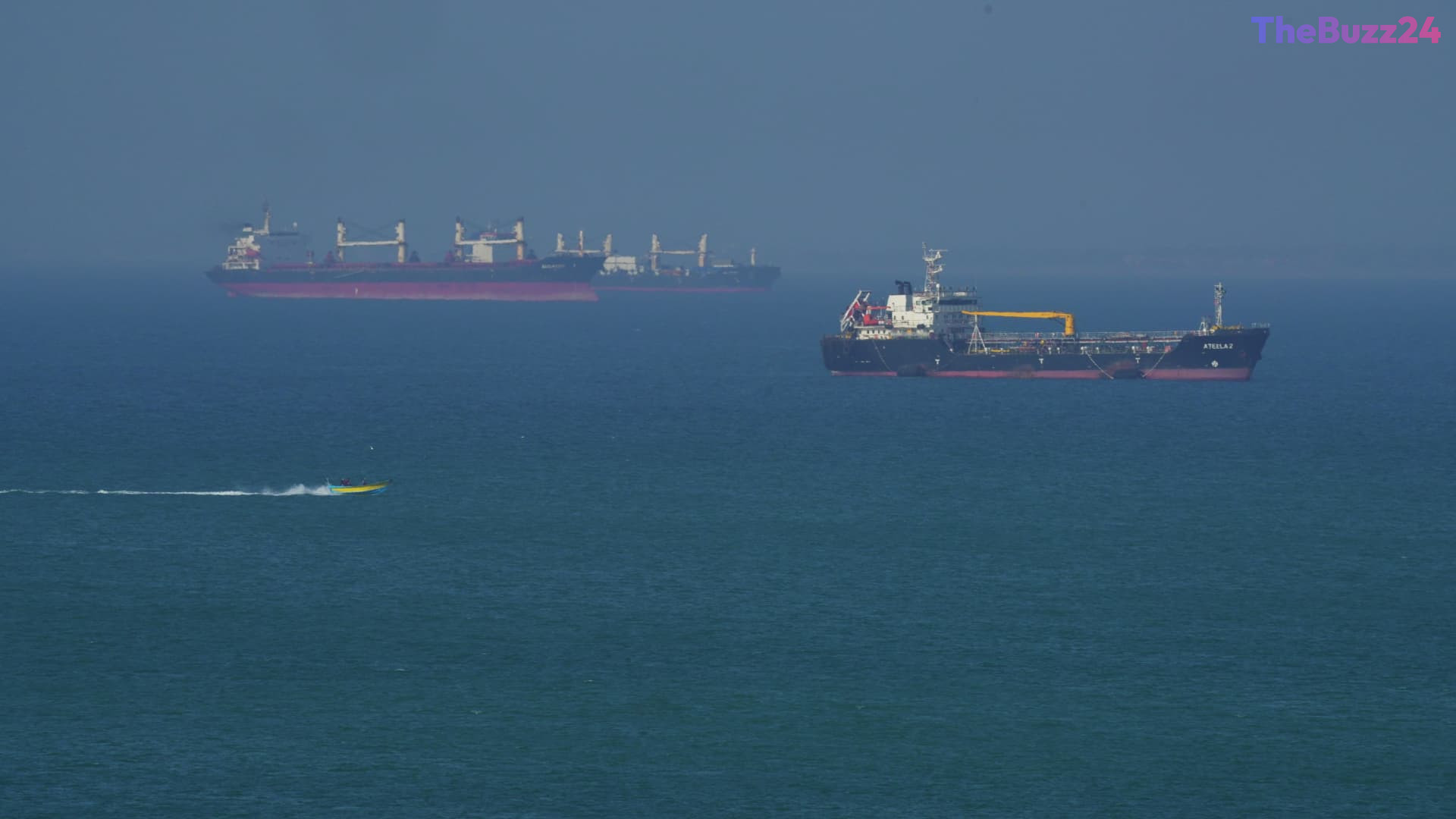
Much of the current market anxiety stems from prolonged geopolitical friction in the Middle East, which continues to disrupt critical shipping lanes, most notably the Strait of Hormuz. These persistent bottlenecks have triggered a rapid drawdown of global oil inventories. Production cuts from Gulf nations have now climbed past 14 million barrels per day, pushing the cumulative global supply deficit beyond the one-billion-barrel mark. Analysts warn that this tightening supply environment is poised to trigger even sharper price swings as the high-demand summer driving season approaches.
Adding to the supply squeeze, OPEC reported a sharp contraction in its output, which fell by 1.7 million barrels per day in April. This represents a massive 30% decline—amounting to 9.7 million barrels per day—since the outbreak of the regional conflict in late February. Alongside these immediate production drops, OPEC has revised its long-term outlook, trimming its 2026 global demand growth projection from 1.4 million to 1.2 million barrels per day. Notably, this period of transition coincides with the United Arab Emirates officially exiting the cartel on May 1, making the latest market data the final release to include UAE figures.
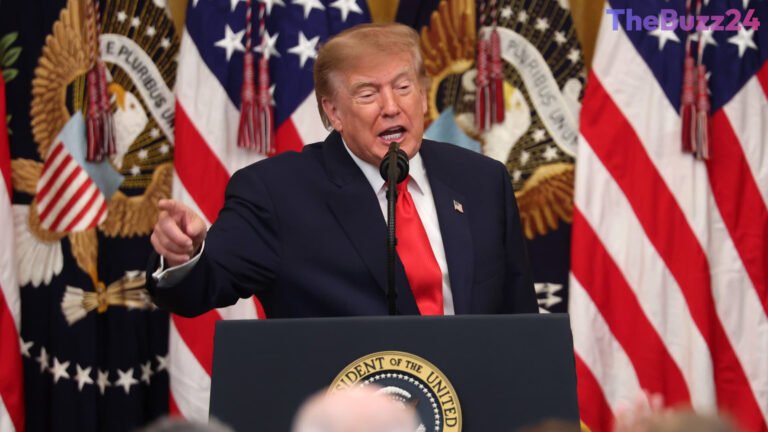
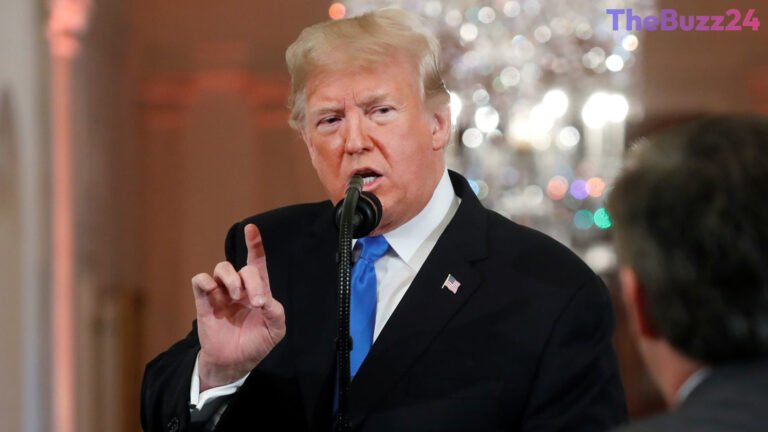
Looking ahead, the trajectory of global fuel prices remains heavily dependent on diplomatic developments and the security of energy infrastructure. Market participants are closely monitoring high-stakes international diplomacy, including an upcoming summit between U.S. President Donald Trump and Chinese President Xi Jinping. China’s heavy reliance on crude imports transiting through the vulnerable Strait of Hormuz makes the outcome of these talks particularly critical for global trade flows and market stability.
Key Takeaways
- Geopolitical tensions in the Middle East have severely disrupted shipping through the Strait of Hormuz, pushing the global oil deficit past one billion barrels.
- OPEC has slashed its April production by 1.7 million barrels per day and lowered its long-term 2026 demand growth forecast to 1.2 million barrels per day.
- The United Arab Emirates has officially exited OPEC effective May 1, marking a significant structural shift for the oil-producing cartel.
Editor’s Analysis & Impact
The global oil market is currently caught in a high-stakes tug-of-war between immediate supply shocks and weakening long-term demand expectations. The severe inventory depletion caused by disruptions in the Strait of Hormuz highlights the extreme vulnerability of global energy supply chains to geopolitical conflict. Meanwhile, OPEC’s decision to lower its 2026 demand growth forecast suggests a growing recognition of structural shifts, such as the accelerating transition to renewable energy and broader macroeconomic headwinds. As the UAE departs from OPEC, the cartel’s internal dynamics are shifting, potentially altering its future pricing power. In the short term, the combination of summer demand peaks and unresolved geopolitical friction means businesses and consumers should prepare for sustained energy price volatility, which will continue to feed global inflationary pressures.
Frequently Asked Questions
Q: Why are oil prices experiencing such high volatility right now?
A: Prices are fluctuating due to a combination of severe supply disruptions in the Middle East—particularly around the Strait of Hormuz—and downward revisions in long-term global demand forecasts by major energy organizations.
Q: What impact does the UAE's departure have on OPEC?
A: The United Arab Emirates' exit from OPEC, effective May 1, represents a significant structural shift. It reduces the cartel's total production capacity and highlights potential internal disagreements over production quotas and long-term strategies.
Q: How does the Strait of Hormuz affect global oil prices?
A: The Strait of Hormuz is the world's most critical oil transit chokepoint. Any conflict or disruption in this area delays shipments, depletes global inventories, and rapidly drives up crude prices due to supply fears.
AI Disclosure: This article is based on verified data and official reports. Our Team and AI have cross-referenced every financial detail with primary sources to ensure total accuracy.
More from this Category