Escalating Strikes in Crimea and Russia Signal Shift in Conflict Dynamics
Recent military engagements in occupied Crimea and mainland Russia have resulted in multiple casualties, marking a significant intensification in the ongoing conflict. Russian-installed officials in Crimea reported that at least four individuals were killed following a series of strikes, including an attack on a fuel depot in Simferopol and a separate incident involving a commuter train near Kerch. These events represent a growing trend of targeted operations aimed at disrupting logistics and infrastructure within territories held by Russian forces.
Ukrainian authorities have maintained a policy of targeting military-related infrastructure, characterizing the strikes as essential measures to undermine Moscow’s operational capabilities. While Kyiv has not explicitly claimed responsibility for every specific incident, officials have consistently emphasized that their strategy focuses on degrading the supply chains that fuel the Russian war effort. This approach has led to noticeable disruptions, including fuel shortages and rationing in parts of Crimea.
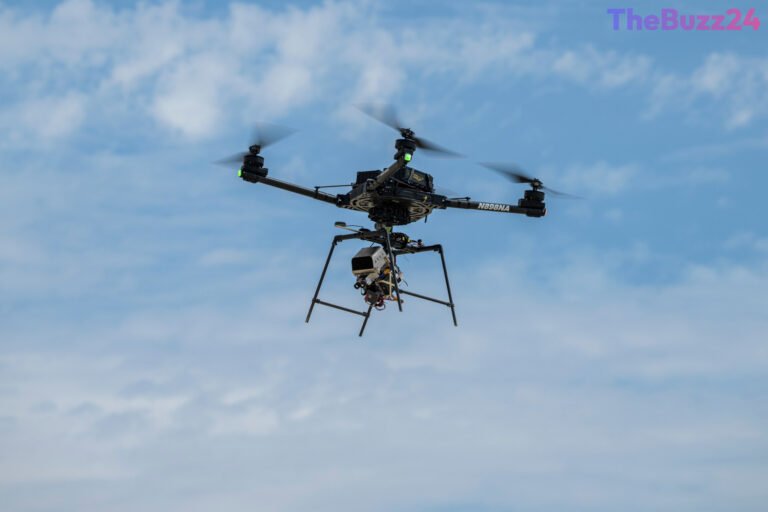
Beyond the peninsula, the conflict has expanded further into Russian territory. Recent drone operations targeted locations near St. Petersburg, including an oil terminal and a naval base, coinciding with a major economic forum. These actions underscore a broader strategic shift as Ukraine leverages its rapidly developing domestic defense sector to strike deep behind enemy lines. Meanwhile, the humanitarian toll continues to rise on both sides, with ongoing missile and drone campaigns resulting in significant civilian casualties across the region.
Key Takeaways
- Recent strikes in Crimea have targeted fuel depots and transport infrastructure, leading to local shortages and civilian casualties.
- Ukraine is increasingly utilizing its domestic drone capabilities to hit strategic military and energy targets deep within Russian territory.
- The conflict has expanded to include high-profile locations in Russia, such as the St. Petersburg region, challenging Moscow's internal security and logistics.
Editor’s Analysis & Impact
The recent escalation in drone strikes against Russian energy infrastructure and logistics hubs marks a pivotal shift in the conflict’s trajectory. By targeting the ‘fuel for the war machine,’ Ukraine is attempting to create a tangible economic and operational burden for Moscow, moving beyond the front lines to disrupt the rear-guard support systems. The ability to strike near St. Petersburg during a major economic forum serves as a psychological blow to the Russian administration, signaling that no region is entirely insulated from the war. Looking ahead, the sustainability of these long-range strikes will depend on Ukraine’s continued production of unmanned aerial systems and the resilience of Russian air defense networks. This strategy of attrition is likely to persist as both nations prioritize the destruction of the other’s logistical backbone over traditional territorial gains.
Frequently Asked Questions
Q: Why is Ukraine targeting fuel depots and oil terminals?
A: Ukraine views these facilities as critical components of the Russian war machine. By disrupting fuel supplies, they aim to hinder the mobility of Russian military forces and degrade the logistical support necessary for continued operations.
Q: How has the conflict in Crimea affected local residents?
A: The strikes have led to significant infrastructure damage and disruptions in daily life, including fuel shortages and the implementation of rationing in areas like Sevastopol.
AI Disclosure: This article is based on verified data and official reports. Our Team and AI have cross-referenced every financial detail with primary sources to ensure total accuracy.
More from this Category