Escalating Tensions: Trump Vows Continued Military Action Against Iran
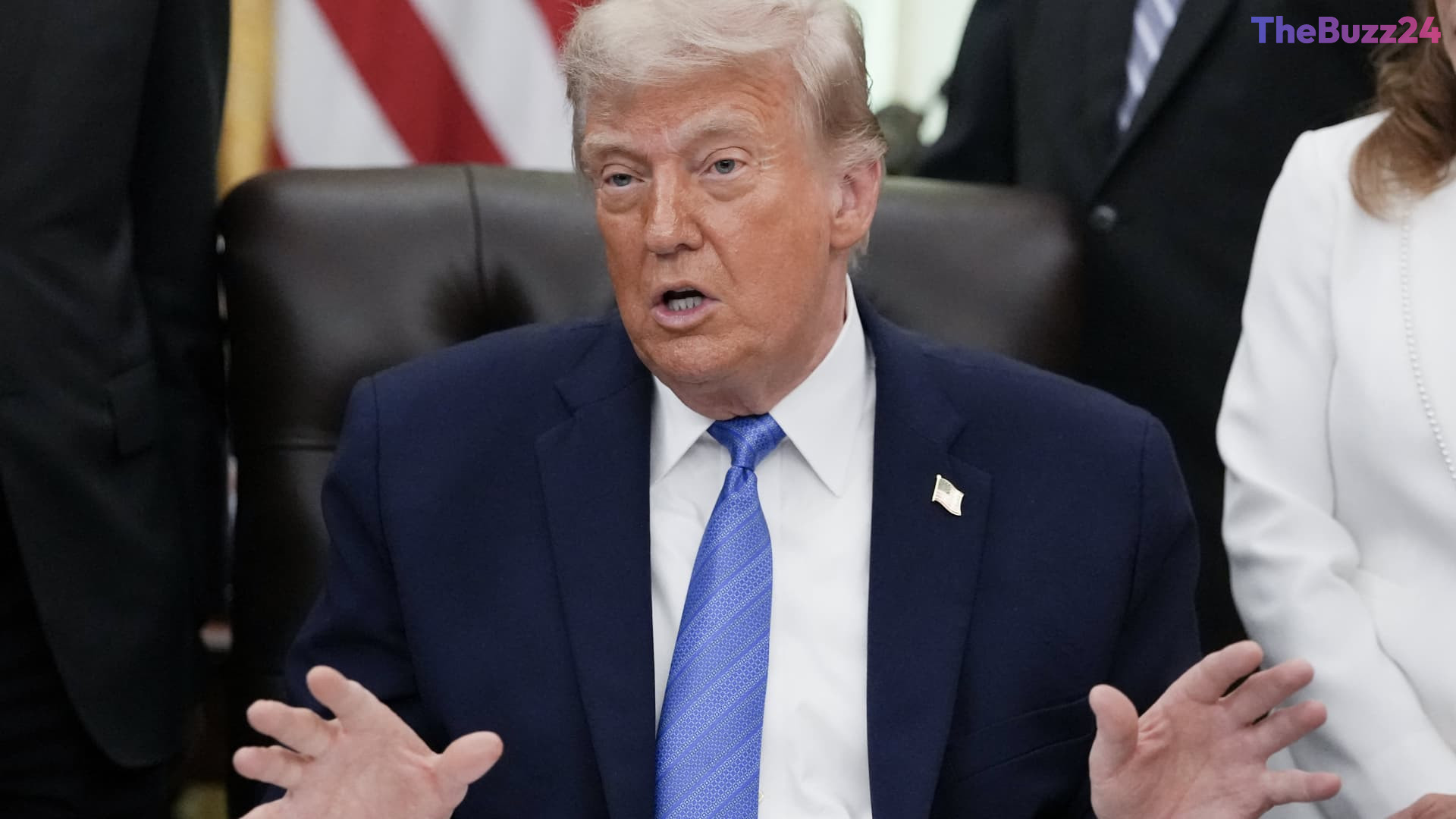
President Donald Trump has intensified his rhetoric against Iran, declaring that the United States will continue to conduct aggressive military strikes. Speaking during a White House event, the President emphasized that the U.S. military is prepared to maintain pressure on Tehran, stating that the administration intends to hit the nation ‘very hard’ in response to ongoing regional conflicts. These remarks follow a series of warnings issued by the President on social media, where he criticized Iran’s military capabilities and suggested that the country would face significant consequences for delays in diplomatic negotiations.
The administration maintains that its objective is to secure a ‘meaningful’ agreement that addresses long-standing concerns. However, the situation remains volatile as Iranian officials have responded with their own warnings. Ebrahim Azizi, head of the national security commission in Iran’s parliament, suggested that any further escalation could expand the scope of the conflict beyond the immediate region. This exchange of threats comes in the wake of U.S. military strikes reportedly launched after the downing of a U.S. Army Apache helicopter, an incident for which Iran has not claimed responsibility.
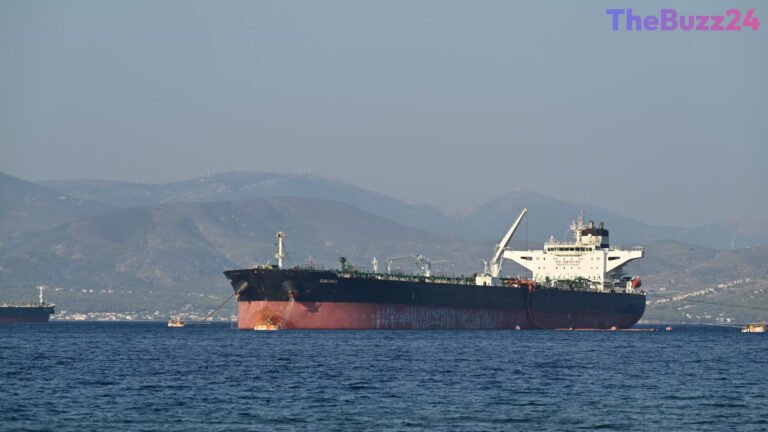
The geopolitical instability has had an immediate impact on global markets. Following the President’s comments, U.S. stock futures experienced a sharp decline, with the Dow Jones Industrial Average dropping significantly. Simultaneously, energy markets reacted to the uncertainty, as oil prices saw a notable increase. Analysts warn that if the conflict persists, supply chain disruptions and low inventory levels could drive oil prices even higher in the coming months, creating further economic pressure on global markets.
Key Takeaways
- President Trump has pledged continued military strikes against Iran, citing a need to pressure Tehran into a meaningful diplomatic deal.
- Iranian officials have warned that further military escalation could result in a conflict that extends beyond the current regional boundaries.
- Global financial markets have reacted negatively to the heightened tensions, with U.S. stock futures falling and oil prices climbing.
Editor’s Analysis & Impact
The current escalation between the U.S. and Iran represents a significant risk to global economic stability. The immediate market reaction—characterized by a sell-off in equities and a surge in oil prices—highlights the sensitivity of investors to geopolitical volatility in the Middle East. If the conflict continues to intensify, the primary concern for the global economy is the potential for a sustained spike in energy costs, which could exacerbate inflationary pressures. Furthermore, the breakdown in diplomatic communication channels increases the risk of miscalculation, potentially leading to a broader regional conflict. Moving forward, the outlook remains highly uncertain; the market will likely remain in a ‘risk-off’ state until there is a clear path toward de-escalation or a tangible diplomatic breakthrough.
Frequently Asked Questions
Q: Why is the U.S. conducting military strikes against Iran?
A: The U.S. military strikes were initiated following the downing of a U.S. Army Apache helicopter, and the administration is also using military pressure to force Iran into new diplomatic negotiations.
Q: How have the markets reacted to the news of the conflict?
A: The markets have reacted with volatility; U.S. stock futures have dropped significantly, while oil prices have risen due to concerns over supply disruptions.
AI Disclosure: This article is based on verified data and official reports. Our Team and AI have cross-referenced every financial detail with primary sources to ensure total accuracy.
More from this Category