Escalation in Middle East: US Strikes Iran as Nuclear Site Threat Looms
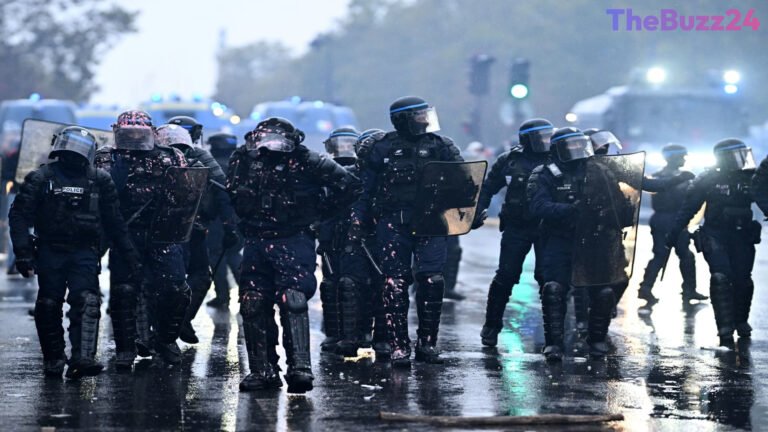
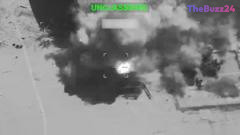
The Middle East is witnessing a significant escalation of hostilities, with the United States conducting its eleventh consecutive night of strikes against targets in Iran. This intensified military action comes as Tehran issued stern warnings against any attempts to target its nuclear facilities, following a direct threat from former President Donald Trump to strike an underground nuclear site. The renewed conflict centers heavily on control and navigation within the strategically vital Strait of Hormuz.
US Central Command (Centcom) confirmed that the recent wave of attacks aimed to further degrade Iran’s capacity to disrupt commercial shipping in the Strait of Hormuz. Reports from Iranian state media indicated that air defense systems were activated across the capital, Tehran, and explosions were heard in various other cities, including Tabriz, Chabahar, Konarak, and Bushehr, which hosts Iran’s sole nuclear power plant. Centcom detailed its targets as Iranian military operations centers, maritime assets, aircraft hangars, drone storage facilities, and logistics infrastructure, asserting that Iran has attacked over 30 commercial vessels in the waterway in the past three months, endangering mariners and undermining freedom of navigation.
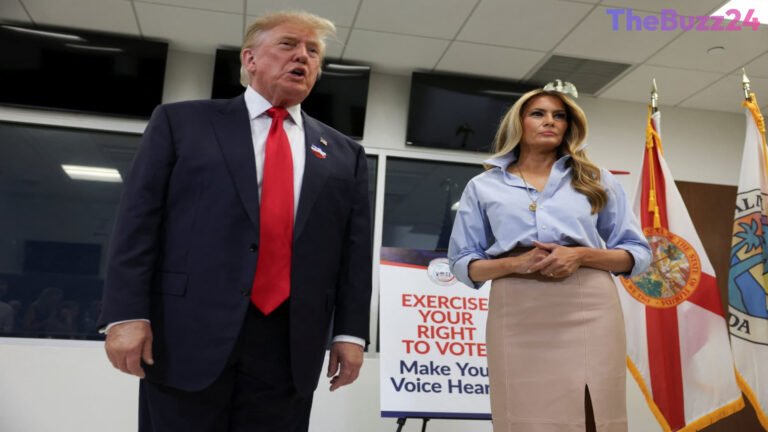
The tensions heightened significantly after Trump publicly stated that the US would soon target an underground nuclear complex near Natanz, referred to as “Pickaxe Mountain,” where an undeclared enrichment facility is suspected. Iran’s Khatam Al-Anbiya military command swiftly responded, declaring such an attack an “expansion of war in the region” and threatening reprisals against “all the interests of America, the allies and supporters.” Adding to the regional volatility, Trump also issued a warning to Houthi rebels in Yemen, threatening action if the Iran-backed group proceeded with its blockade of Saudi ports. This threat followed the Houthis’ announcement of closing the Bab al-Mandab Strait to Saudi vessels, a critical gateway for oil shipments, leading to immediate rerouting of tankers bound for Asia.
The ongoing conflict has already had tangible economic impacts, with global oil prices surging to $94 per barrel. Despite the military escalation, US Secretary of State Marco Rubio indicated Washington’s willingness for diplomatic engagement, though he expressed skepticism about Iran’s sincerity in talks. The financial toll on the US has also been substantial, with Defence Secretary Pete Hegseth reporting the war’s cost at approximately $37.5 billion and requesting urgent funding. The human cost is also evident, with recent US casualties in the Middle East, including Sgt. Angel S. Rampersad, whose death was confirmed following an Iranian strike in Jordan. This renewed cycle of aggression underscores the fragility of regional stability, despite a brief ceasefire agreement signed just months prior.
Key Takeaways
- The US has launched extensive strikes on Iran for the eleventh consecutive night, targeting military infrastructure and maritime capabilities in response to alleged threats to commercial shipping in the Strait of Hormuz.
- Tensions escalated significantly after former President Trump threatened to strike an underground Iranian nuclear site, prompting a strong warning from Iran of regional war expansion and retaliation.
- The conflict has broader regional implications, including Houthi threats to Saudi shipping routes and a surge in global oil prices, while diplomatic efforts remain uncertain amidst rising financial and human costs.
Editor’s Analysis & Impact
The current escalation between the US and Iran carries significant implications for global markets and regional stability. The immediate impact is evident in the surge of oil prices, reflecting fears of supply disruptions from critical waterways like the Strait of Hormuz and Bab al-Mandab. Further military action, especially targeting nuclear facilities, could trigger a broader conflict, leading to severe economic repercussions, including higher energy costs and increased shipping insurance premiums. The future outlook remains highly volatile, with a high risk of miscalculation. Diplomatic channels appear strained, suggesting a prolonged period of tension. Broader implications include potential geopolitical realignments, increased military spending, and a humanitarian crisis if the conflict expands, challenging international efforts to maintain peace and secure global trade routes.
Frequently Asked Questions
Q: What is the Strait of Hormuz and why is it important?
A: The Strait of Hormuz is a narrow, strategically vital waterway connecting the Persian Gulf to the Arabian Sea. It is crucial because a significant portion of the world's oil supply passes through it, making its control essential for global energy security and trade.
Q: What is the 'Pickaxe Mountain' site mentioned in the article?
A: The 'Pickaxe Mountain' site is a colloquial reference to an underground nuclear facility near Natanz, Iran. It is a location where the US suspects Iran is developing an undeclared uranium enrichment capability, making it a point of significant international concern.
Q: How has this conflict impacted global oil prices?
A: The recent escalation of hostilities, particularly the threats to key shipping lanes and the general instability in the Middle East, has caused global oil prices to jump. This reflects market concerns over potential disruptions to oil supply and increased risks for maritime transport in the region.
AI Disclosure: This article is based on verified data and official reports. Our Team and AI have cross-referenced every financial detail with primary sources to ensure total accuracy.
More from this Category