Escalation in the Skies: Moscow Faces Unprecedented Drone Assault
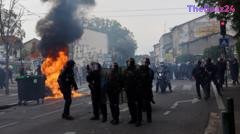
Moscow recently experienced its most significant drone offensive since the onset of the full-scale conflict, as nearly 200 unmanned aerial vehicles targeted the Russian capital. The massive strike resulted in thick plumes of smoke rising over the city, while regional officials confirmed that at least 17 individuals sustained injuries during the barrage. The scale of the attack marks a notable intensification in the reach and frequency of long-range aerial operations.
Beyond the capital, the impact of the offensive was widespread. Russian defense authorities reported that approximately 1,000 drones and four cruise missiles were intercepted across the country within a 24-hour window. Despite these defensive efforts, the strikes caused tangible damage, including a hit on an oil depot in the southern Rostov region, which resulted in at least one fatality.
Ukrainian leadership has characterized these long-distance strikes as a form of “long-range sanctions,” signaling a continued commitment to targeting infrastructure deep within Russian territory. As the conflict evolves, the ability of both sides to project power through drone warfare remains a critical factor, raising questions about potential shifts in military strategy and the long-term sustainability of current defensive measures.
Key Takeaways
- Moscow was hit by its largest drone attack since the start of the war, involving nearly 200 drones.
- The broader offensive saw over 1,000 drones and four cruise missiles intercepted across Russia within a single day.
- Ukrainian officials frame these long-range strikes as a strategic tool to exert pressure on Russian territory.
Editor’s Analysis & Impact
The recent surge in drone activity represents a significant shift in the tactical landscape of the conflict. By successfully penetrating deep into Russian territory and targeting critical infrastructure like oil depots, Ukraine is demonstrating an increasing capability to bypass traditional air defense systems. This escalation forces Russia to divert significant military resources to protect its interior, potentially thinning its defensive lines on the front. From a market perspective, the targeting of energy infrastructure introduces further volatility into global energy supply chains. Looking ahead, the reliance on low-cost, high-volume drone swarms suggests a permanent change in modern warfare, where the cost-to-benefit ratio of offensive strikes heavily favors the attacker, forcing a rapid evolution in electronic warfare and anti-drone technology for all global powers.
Frequently Asked Questions
Q: What was the scale of the recent drone attack on Moscow?
A: The attack involved nearly 200 drones targeting the Moscow region, making it the largest such assault since the start of the conflict.
Q: How has the Ukrainian government described these long-range strikes?
A: Ukrainian leadership has referred to these long-distance operations as 'long-range sanctions,' indicating they are a strategic effort to impact Russia beyond the immediate front lines.
AI Disclosure: This article is based on verified data and official reports. Our Team and AI have cross-referenced every financial detail with primary sources to ensure total accuracy.
More from this Category