Ethereum Faces Pressure as Inflation Surges, Fed Rate Hike Fears Grow
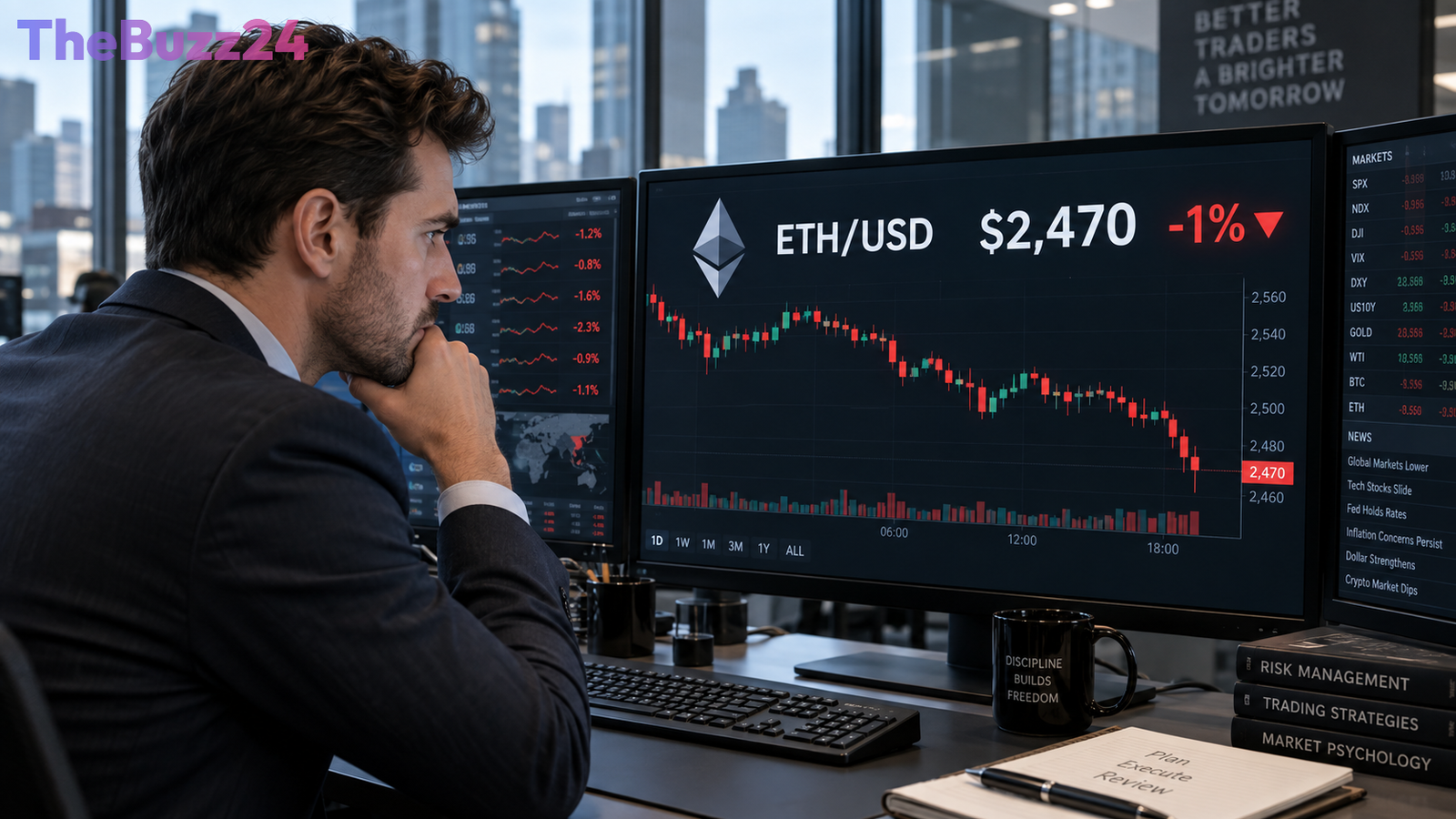
Ethereum experienced a notable dip, trading 0.7% lower as recent U.S. producer inflation data exceeded expectations. The annual inflation rate climbed to 5.4%, fueling concerns about a more aggressive stance from the Federal Reserve. This macroeconomic shift creates a challenging environment for risk-sensitive assets like cryptocurrencies.
Analysts are closely watching the Federal Reserve’s upcoming meeting, with prediction markets indicating a significant probability of an interest rate hike. Data from Polymarket suggests traders are assigning a 62% chance of a rate increase at the next meeting, with the likelihood rising to 71% by October. Such a move could tighten financial conditions, making interest-bearing assets more attractive and potentially dampening the speculative trading that often drives cryptocurrency rallies.
Despite the headwinds, the Ethereum ecosystem shows signs of resilience. U.S. spot Ethereum exchange-traded funds (ETFs) recorded net inflows of $34.75 million recently, indicating continued institutional interest. However, the pace of ETF demand has slowed compared to previous weeks, suggesting a more cautious approach from institutional investors. Meanwhile, retail investors have been net sellers, offloading a substantial amount of ETH, which could impact short-term price recovery efforts.
Technically, Ethereum is currently testing key support levels around $2,431 and its 20-day exponential moving average near $2,405. While the broader uptrend remains intact above longer-term moving averages, a sustained break below these immediate support zones could lead to further declines. Key resistance levels to watch on a rebound include $2,545, followed by $2,626 and $2,787.
Key Takeaways
- Ethereum's price is under pressure due to rising U.S. producer inflation and increased expectations of a Federal Reserve interest rate hike.
- Prediction markets show a high probability of a Fed rate hike, which could negatively impact risk assets like cryptocurrencies.
- Despite some retail selling, institutional demand for Ethereum ETFs remains positive, though showing signs of slowing momentum.
Editor’s Analysis & Impact
The current macroeconomic climate, characterized by surging inflation and the prospect of tighter monetary policy from the Federal Reserve, presents a significant challenge for Ethereum and the broader cryptocurrency market. Higher interest rates typically reduce the appeal of speculative assets and can lead to capital outflows. While institutional inflows into Ethereum ETFs offer a glimmer of support, the slowdown in demand and net selling by retail investors suggest caution prevails. The coming weeks will be critical in determining whether Ethereum can maintain its upward trajectory or if it will succumb to broader market pressures driven by inflation concerns and potential Fed action.
Frequently Asked Questions
Q: What is the Producer Price Index (PPI)?
A: The Producer Price Index (PPI) measures the average change over time in the selling prices received by domestic producers for their output. It is a key indicator of inflation at the wholesale level.
Q: How do interest rate hikes affect cryptocurrencies like Ethereum?
A: Interest rate hikes by central banks like the Federal Reserve can make traditional interest-bearing assets (like bonds) more attractive relative to riskier assets such as cryptocurrencies. This can lead to reduced investment in crypto and potentially lower prices. Higher rates also tighten overall financial conditions, which can curb speculative trading activity.
Q: What are Ethereum ETFs?
A: Ethereum ETFs (Exchange-Traded Funds) are investment products that allow investors to gain exposure to Ethereum's price movements without directly holding the cryptocurrency. They trade on traditional stock exchanges, making it easier for institutional and retail investors to invest.
AI Disclosure: This article is based on verified data and official reports. Our Team and AI have cross-referenced every financial detail with primary sources to ensure total accuracy.
More from this Category