Hungary Shifts Course: Péter Magyar Secures Landslide Victory in Historic Election
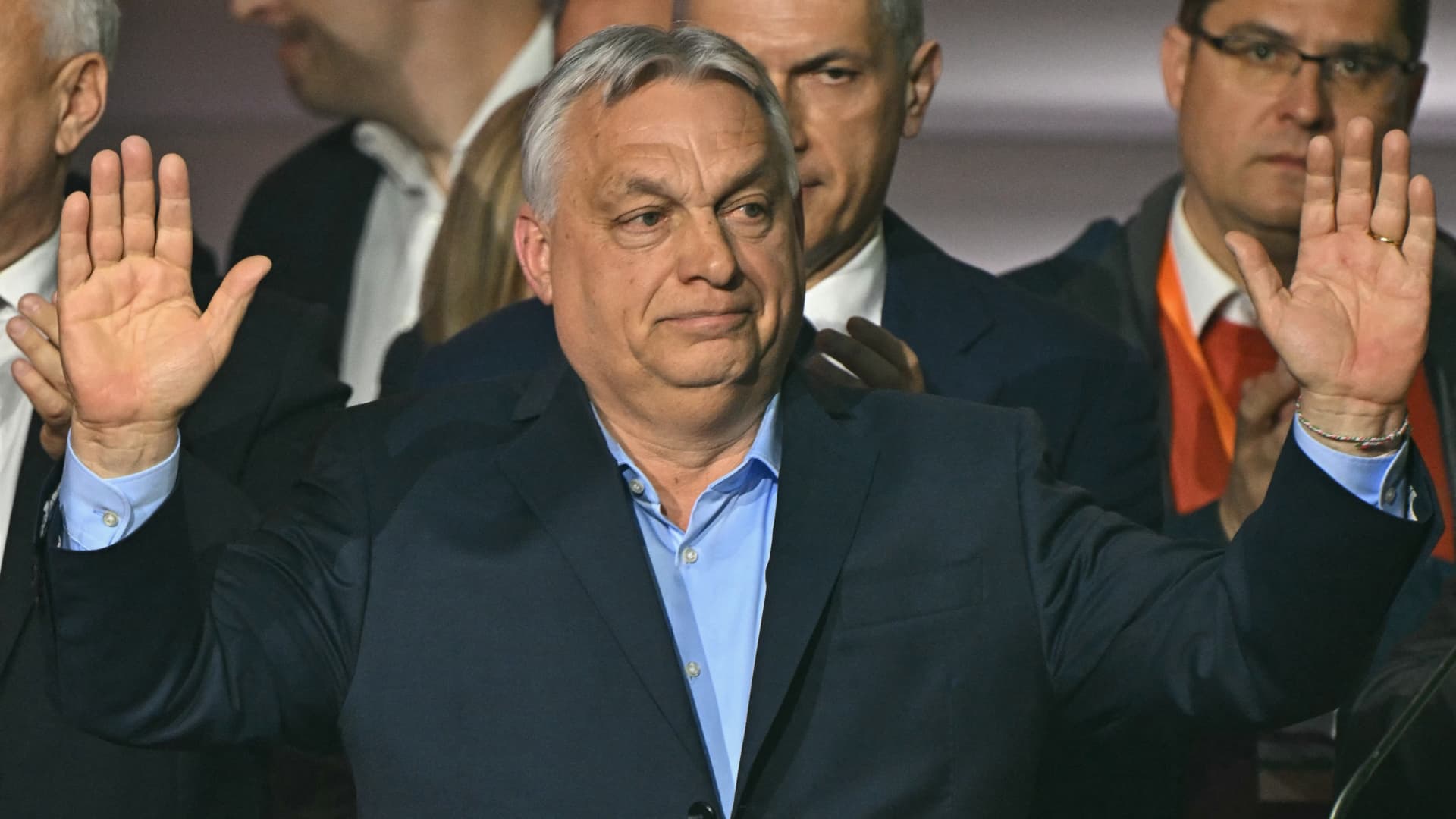
Hungary has entered a transformative political era following a decisive election that saw the defeat of long-time conservative nationalist leader Viktor Orbán. Péter Magyar, a former Fidesz party insider turned opposition leader, secured a commanding super-majority, capturing 138 of the 199 parliamentary seats. This result marks a significant departure from the previous administration’s policies, signaling a potential realignment of Hungary’s position within the European Union and a shift in its broader international diplomatic strategy.
For over a decade, the Hungarian government under Orbán was defined by a eurosceptic stance, frequently utilizing veto powers to stall EU initiatives, particularly regarding financial aid for Ukraine. His administration faced consistent criticism from Brussels over the erosion of democratic norms and the development of what many observers termed an ‘illiberal state.’ The transition to Magyar’s leadership is widely viewed as a move toward restoring alignment with European democratic values, a sentiment echoed by leaders across the continent, including European Commission President Ursula von der Leyen.
Magyar, who founded the center-right Tisza party only two years ago, has promised to dismantle the influence of his predecessor’s policies on the judiciary and media. While the financial markets have responded with optimism—evidenced by a surge in the Hungarian forint and improved bond yields—the new administration faces immediate challenges. Navigating the country’s heavy reliance on Russian energy and addressing complex EU-wide policy debates will be the primary tests for Magyar as he attempts to fulfill his mandate of creating a more transparent and integrated Hungary.
Key Takeaways
- Péter Magyar and his Tisza party secured a super-majority, ending Viktor Orbán's long-standing tenure.
- The election result is expected to thaw relations between Budapest and Brussels, potentially ending Hungary's frequent use of EU vetoes.
- Financial markets reacted favorably to the change in leadership, with the Hungarian forint reaching a four-year high.
Editor’s Analysis & Impact
The election of Péter Magyar represents a pivotal moment for European geopolitics. By moving away from the obstructionist policies of the previous administration, Hungary is likely to reintegrate more fully into the EU’s decision-making framework, potentially strengthening the bloc’s unity on critical issues like the conflict in Ukraine. However, the transition will not be seamless. The new government must reconcile its pro-European rhetoric with the practical reality of Hungary’s deep-seated energy dependence on Russia and a domestic political landscape heavily influenced by years of Fidesz-led institutional changes. The long-term success of this administration will depend on its ability to implement constitutional reforms without triggering internal instability, while simultaneously managing the delicate balance of energy security and foreign policy alignment.
Frequently Asked Questions
Q: Who is Péter Magyar?
A: Péter Magyar is a former member of the Fidesz party who founded the center-right Tisza party two years ago and recently won a super-majority in the Hungarian parliamentary elections.
Q: What are the primary challenges facing the new Hungarian government?
A: The new government faces the complex task of disentangling the country from its heavy reliance on Russian energy, reversing controversial constitutional changes, and navigating EU-wide policies on immigration and aid to Ukraine.
AI Disclosure: This article is based on verified data and official reports. Our Team and AI have cross-referenced every financial detail with primary sources to ensure total accuracy.
More from this Category