European Central Bank Raises Rates Amid Persistent Inflation and Geopolitical Headwinds
The European Central Bank (ECB) has increased its key deposit rate by 25 basis points, moving it to 2.5% from 2.25%. This decision, largely anticipated by financial markets, comes as the Eurozone grapples with stubbornly high inflation and a complex geopolitical landscape. The move follows recent data indicating that Eurozone inflation reached 3.3% in August, with energy prices surging by an alarming 14.3%.
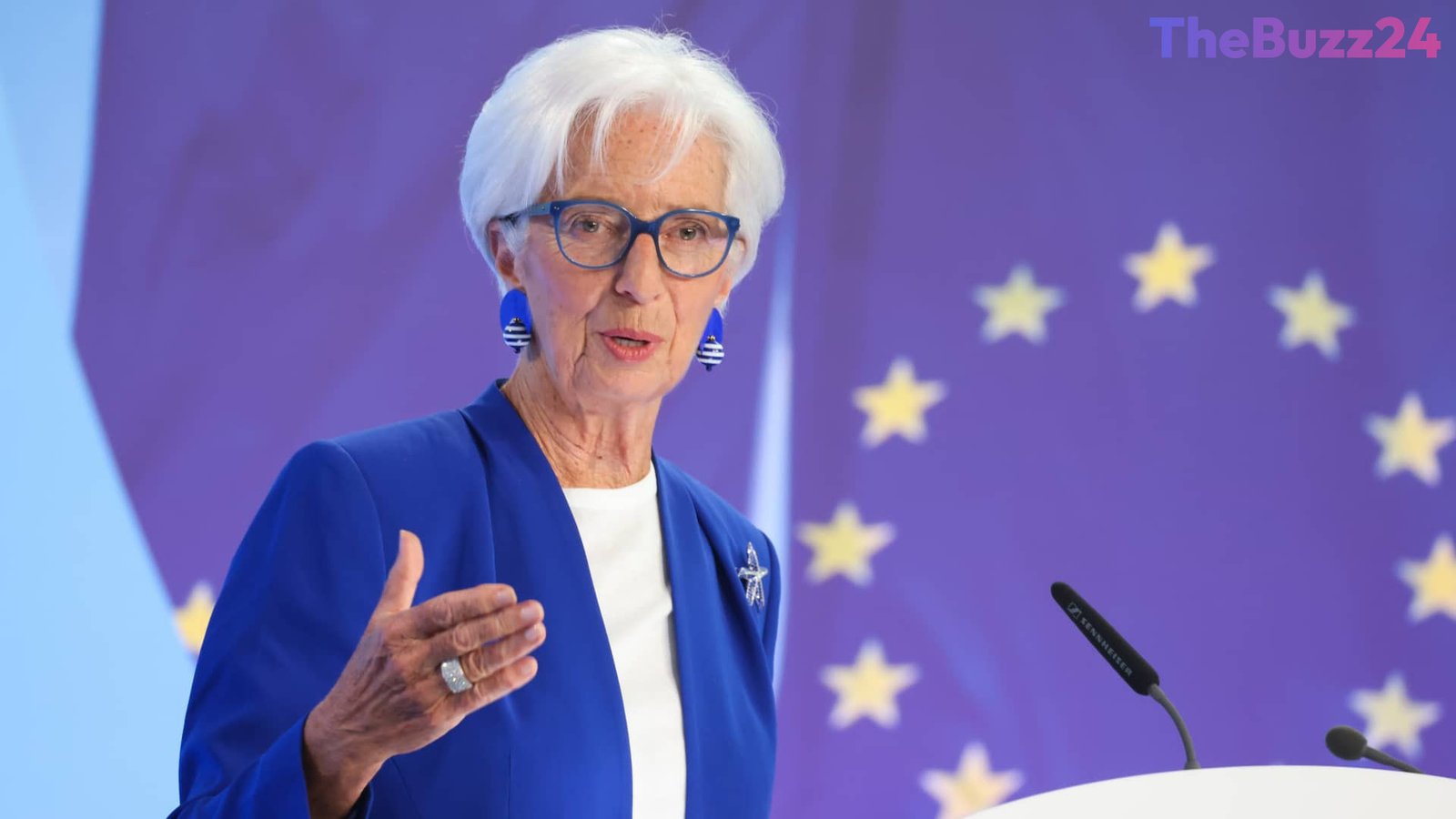
Policymakers at the central bank are navigating a challenging environment marked by rising prices, the economic fallout from ongoing conflicts in the Middle East and Ukraine, and escalating government borrowing costs. ECB President Christine Lagarde underscored that these geopolitical tensions are expected to keep headline inflation “well above target” — the bank’s 2% goal — for an extended period. While acknowledging the Eurozone economy’s “greater-than-expected resilience,” Lagarde warned that the energy price shock and global trade tensions continue to pose significant risks to economic growth. The Governing Council noted that the outlook remains highly uncertain, with potential for inflation to rise further and economic growth to slow.
The latest rate adjustment signals a continued hawkish stance from the ECB, with many investment strategists anticipating further rate hikes. Ed Hutchings, head of rates at Aviva Investors, highlighted that the inflation outlook remains a “significant source of concern” for both the Governing Council and investors, suggesting that more than one additional hike could be on the horizon. Similarly, Patrick Ernst, macro investment strategist at JP Morgan Private Bank, emphasized that the future trajectory of rates is heavily dependent on the volatile geopolitical backdrop, stating that “one hike is not a ceiling.” Economists like Felix Feather from Aberdeen also project another increase at the ECB’s December meeting, citing the Eurozone’s unexpected resilience despite elevated energy prices and geopolitical uncertainty.
This latest increase follows the ECB’s first rate hike since 2023 in June, which brought the key rate to 2.25%. The central bank has adopted a meeting-by-meeting approach to monetary policy, reflecting the fluid economic and geopolitical conditions. Investor sentiment regarding the ultimate peak of the hiking cycle remains divided, with various forecasts suggesting the key rate could settle anywhere between 2.5% and 3%.
Key Takeaways
- The European Central Bank raised its key deposit rate by 25 basis points to 2.5% to combat persistent high inflation.
- Geopolitical conflicts and energy price shocks are identified as primary drivers keeping inflation above the ECB's 2% target and posing risks to economic growth.
- Market analysts and economists widely anticipate further rate hikes, with the future trajectory heavily influenced by the evolving geopolitical landscape.
Editor’s Analysis & Impact
This latest rate hike by the ECB underscores the central bank’s commitment to taming inflation, even at the risk of potentially dampening economic growth. The decision reflects a challenging balancing act, as the Eurozone economy shows resilience but remains vulnerable to external shocks, particularly from energy prices and geopolitical instability. For markets, this signals a prolonged period of tighter monetary policy, likely leading to higher borrowing costs for businesses and consumers. The continued uncertainty surrounding the U.S.-Iran conflict and the war in Ukraine means that future policy decisions will remain highly data-dependent and reactive to global events. This environment could lead to increased volatility in European bond markets and potentially impact corporate earnings, especially for sectors sensitive to interest rates and energy costs. The divergence in investor expectations for the terminal rate suggests ongoing market debate and potential for significant shifts based on incoming economic data and geopolitical developments.
Frequently Asked Questions
Q: Why did the European Central Bank raise interest rates?
A: The ECB raised interest rates primarily to combat persistently high inflation in the Eurozone, which reached 3.3% in August, with energy inflation surging to 14.3%. Geopolitical tensions and rising government borrowing costs also contributed to the decision.
Q: What is the new key interest rate for the Eurozone?
A: The European Central Bank's key deposit rate has been increased by 25 basis points to 2.5% from its previous level of 2.25%.
Q: What is the outlook for future interest rate changes by the ECB?
A: Investment strategists and economists widely expect further rate hikes from the ECB. The central bank has indicated a meeting-by-meeting approach, with future decisions heavily influenced by the evolving geopolitical situation, particularly energy prices and global conflicts.
AI Disclosure: This article is based on verified data and official reports. Our Team and AI have cross-referenced every financial detail with primary sources to ensure total accuracy.
More from this Category