Wholesale Inflation Surges in August as Energy Costs Push PPI to 5.4%
U.S. wholesale prices experienced a notable uptick in August, driven largely by a surge in energy costs. The Producer Price Index (PPI), which measures the costs of goods and services before they reach consumers, climbed by a seasonally adjusted 0.4% for the month. This monthly increase aligned with market forecasts, though it pushes the annual wholesale inflation rate to 5.4%—slightly higher than anticipated and well above the Federal Reserve’s long-term target of 2%. The upward pressure was also reflected in a revision of July’s figures, which now show a 0.1% increase instead of the previously reported flat reading.
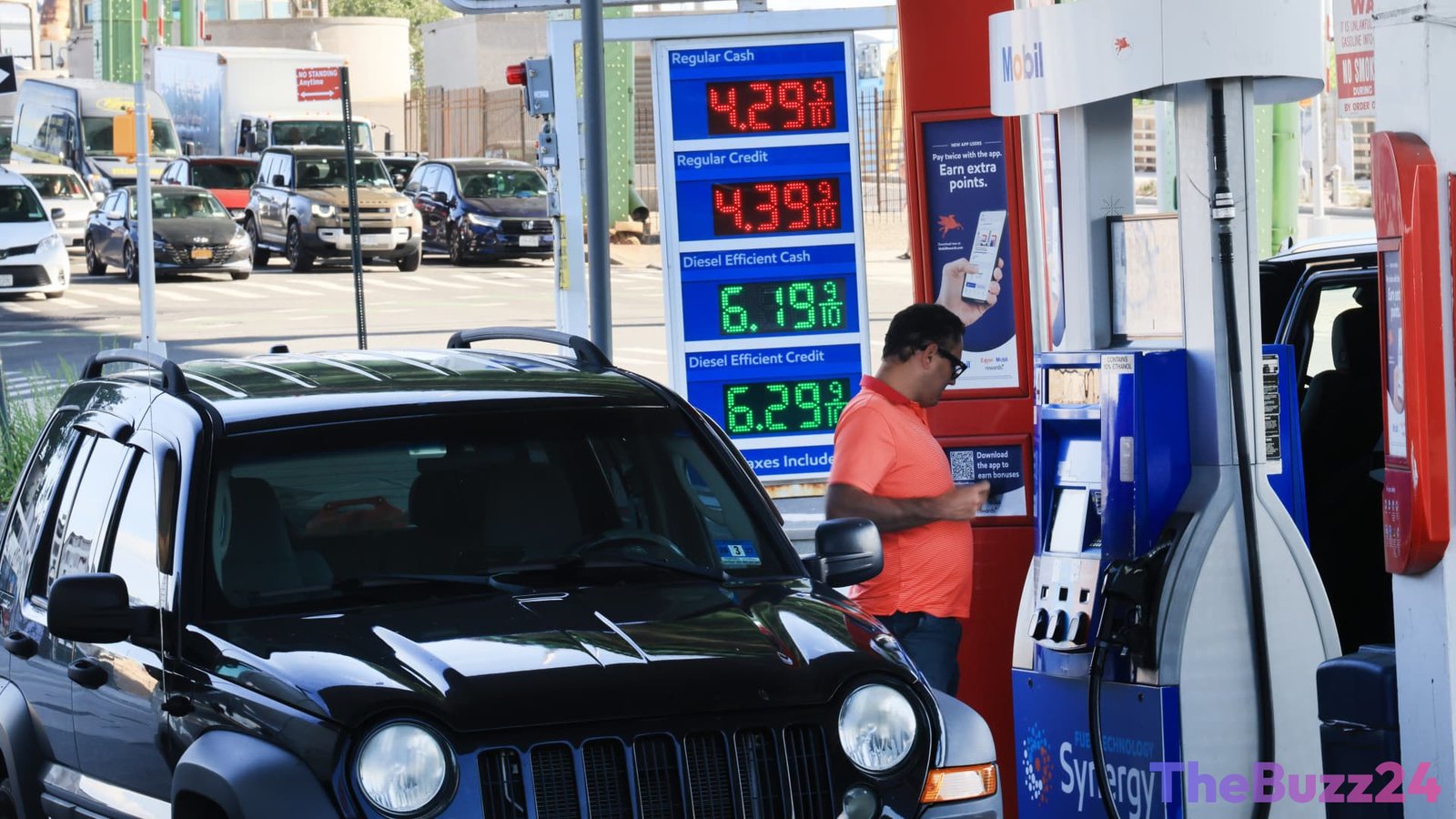
The primary catalyst behind the August acceleration was a sharp rise in energy and goods prices. Final demand energy costs jumped 4.2%, heavily influenced by a massive 24.1% spike in diesel prices. Overall goods prices rose by 1.1%, while services saw a more modest increase of 0.1%, despite a 2.3% rise in transportation and warehousing costs. Conversely, core PPI, which strips out volatile food and energy sectors, rose by a milder 0.2%, coming in just below the projected 0.3% increase. This suggests that while raw material and energy costs are rising, underlying core inflation pressures remain somewhat contained.
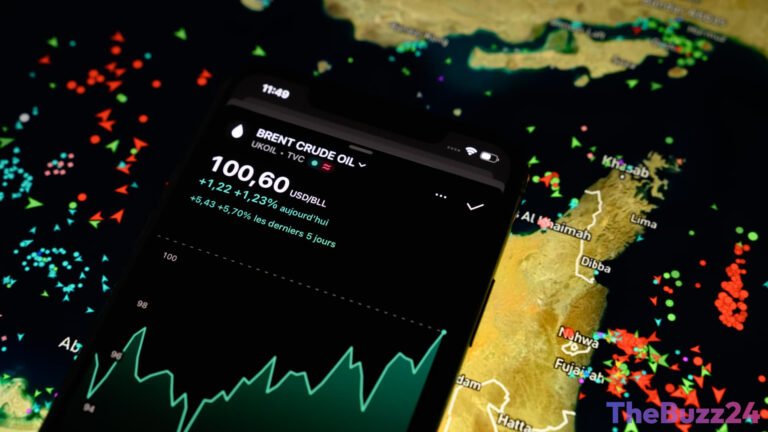
The latest inflation data has immediate implications for monetary policy, arriving just days before the Federal Reserve’s upcoming interest rate decision. Financial markets reacted swiftly to the news, with stock futures dipping and Treasury yields climbing, pushing the 10-year note to its highest level since late 2023. At the same time, global oil prices breached the $100-a-barrel mark, compounding concerns over persistent energy-driven inflation. Traders have increased their expectations for a quarter-percentage-point interest rate hike at the next policy meeting, with probability estimates rising to roughly 66%.
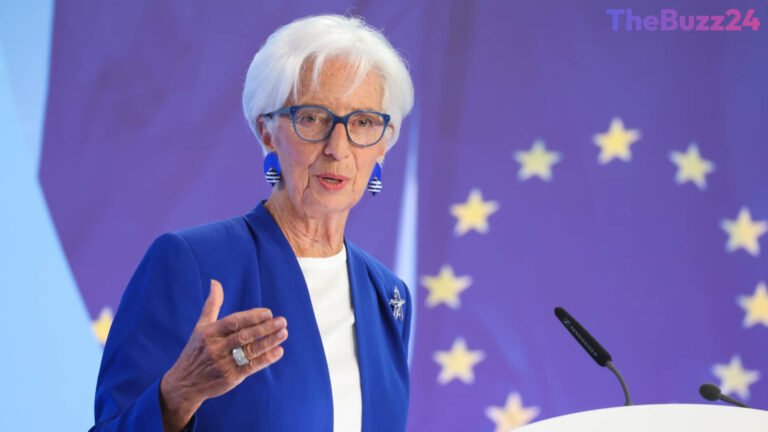
Within the central bank, policymakers remain divided on the path forward. Chairman Kevin Warsh recently reiterated a firm commitment to restoring price stability, hinting that further tightening may be necessary to curb stubborn inflation. Other officials, however, favor a more cautious approach, advocating for a pause to analyze incoming economic data. With ongoing geopolitical tensions in the Middle East and the lingering effects of trade tariffs continuing to disrupt supply chains, the Fed faces a delicate balancing act in its effort to cool the economy without triggering a broader downturn.
Key Takeaways
- The Producer Price Index (PPI) rose 0.4% in August, bringing the annual wholesale inflation rate to 5.4%, which is slightly higher than market expectations.
- A dramatic 24.1% surge in diesel prices drove final demand energy costs up by 4.2%, serving as the primary catalyst for the overall wholesale price increase.
- Financial markets responded with rising Treasury yields and falling stock futures, as traders increased the probability of a Federal Reserve interest rate hike to approximately 66%.
Editor’s Analysis & Impact
The latest PPI data underscores the persistent challenge of supply-side inflation, primarily driven by volatile energy markets. With crude oil surpassing $100 a barrel and diesel prices skyrocketing, businesses are facing immediate pipeline cost pressures that will likely be passed down to consumers in the coming months. This complicates the Federal Reserve’s monetary policy trajectory. While core PPI remains relatively stable at 0.2%, the headline figure of 5.4% is too high for comfort. The central bank is now in a difficult position: raising interest rates further risks overtightening an economy already dealing with geopolitical friction and tariff impacts, while pausing could allow inflation expectations to become unanchored. Expect heightened market volatility as investors brace for a potential rate hike and closely monitor upcoming consumer inflation metrics.
Frequently Asked Questions
Q: What is the Producer Price Index (PPI) and why does it matter?
A: The PPI measures the average change over time in the selling prices received by domestic producers for their output. It is a key indicator of wholesale inflation and often serves as a leading indicator for consumer prices, as higher production costs are typically passed on to retail buyers.
Q: What caused the primary increase in wholesale prices in August?
A: The increase was heavily driven by energy costs, which rose 4.2% overall. A massive 24.1% surge in diesel prices was the main contributor to this spike, alongside a general 1.1% increase in goods prices.
Q: How did financial markets react to the PPI report?
A: Following the report, stock market futures declined, while Treasury yields rose sharply, with the 10-year note reaching its highest level since November 2023. Additionally, market expectations for a Federal Reserve interest rate hike rose to about 66%.
AI Disclosure: This article is based on verified data and official reports. Our Team and AI have cross-referenced every financial detail with primary sources to ensure total accuracy.
More from this Category