European Schools Evacuated Amidst Wave of Hoax Bomb Threats
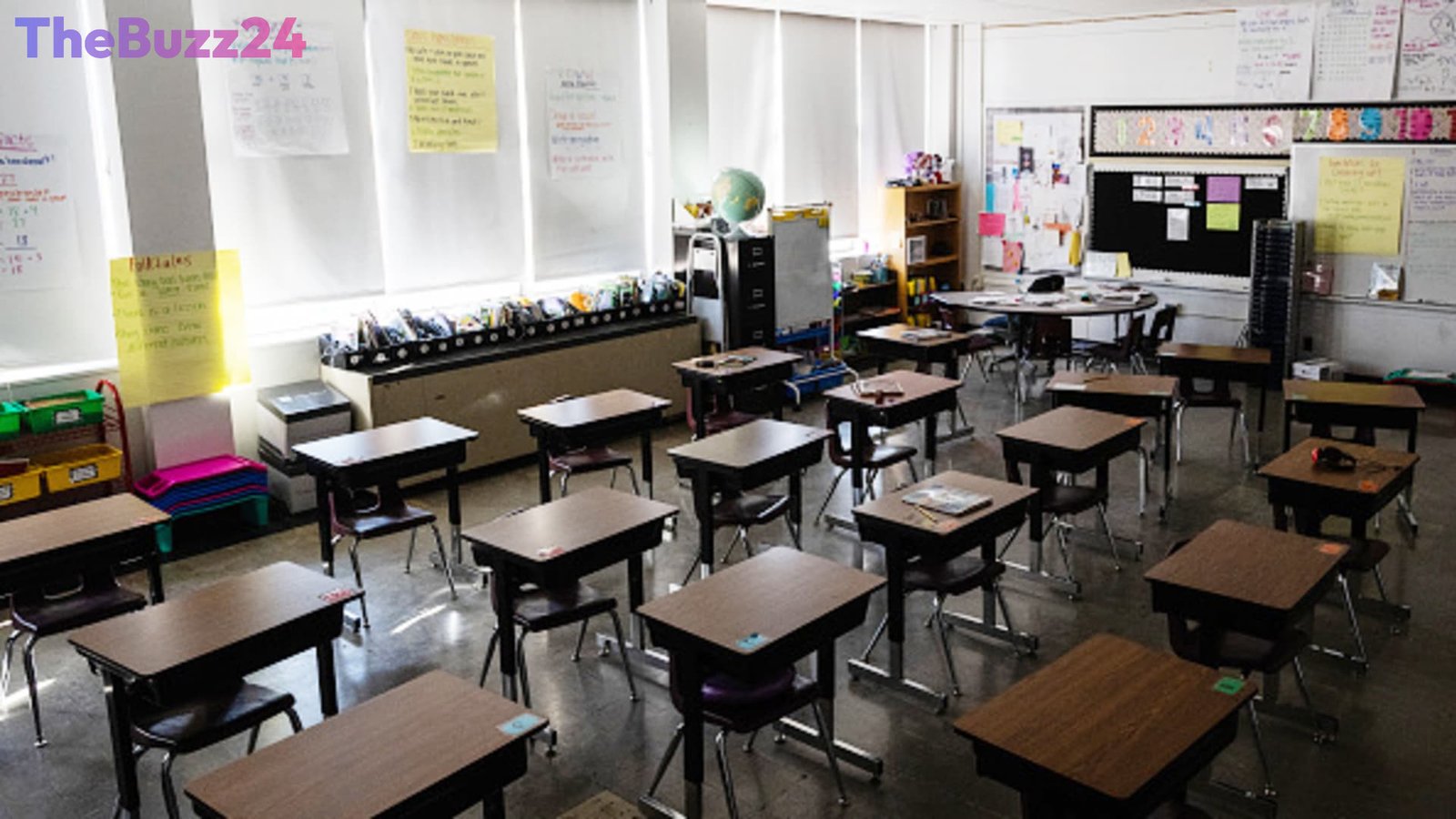
Hundreds of schools across Italy, the United Kingdom, and other parts of Europe experienced significant disruptions on Wednesday as they were evacuated following the receipt of bomb threats. Italian Education Minister Giuseppe Valditara reported that over 300 schools in Italy alone received emailed threats, which authorities widely suspect to be hoaxes. The threats, which arrived shortly before 10 a.m. local time, were reportedly signed by an individual named “Mikhail Andropov, leader of the Vilayat of Misoginistan.” This same purported sender has been linked to similar bomb threats sent to news organizations in Ireland and Bulgaria earlier in the week.
In the United Kingdom, schools in Scotland and Northern Ireland also initiated evacuations on Wednesday morning due to comparable threats. Law enforcement agencies in these regions, including the Police Service of Northern Ireland and Police Scotland, have stated that the threats are being treated as hoaxes. Investigations suggest the emails originated from outside the UK, and authorities have found no credible evidence to suggest any genuine risk to the public. This coordinated series of threats is being viewed within the broader context of growing concerns in Europe regarding “hybrid threats.”
Hybrid warfare encompasses a range of tactics, including cyberattacks, disinformation campaigns, and sabotage, designed to destabilize adversaries without resorting to direct military confrontation. The recent bomb threats follow a pattern of similar disruptive incidents across Europe, including disruptions to supermarkets, blood banks, and passenger flights, which officials have also characterized as hoax attacks. The perpetrators behind these latest incidents remain unidentified, and it is unclear whether they have state backing. These events occur amidst heightened geopolitical tensions and domestic unrest across the continent, raising concerns among experts about the vulnerability of civilian infrastructure to hostile actors.
Key Takeaways
- Over 300 schools in Italy and numerous schools in the UK were evacuated due to hoax bomb threats.
- The threats were sent via email, signed by a purported individual named 'Mikhail Andropov', and are linked to previous incidents in Ireland and Bulgaria.
- Authorities in affected countries are treating the threats as hoaxes with no credible risk, but the incidents highlight concerns about hybrid warfare tactics in Europe.
Editor’s Analysis & Impact
This series of coordinated hoax bomb threats across European schools underscores a worrying trend in the use of ‘hybrid warfare’ tactics. By leveraging fear and disruption through seemingly low-cost, high-impact actions, malicious actors can strain public resources, erode trust in institutions, and create a climate of anxiety. The repeated use of the same sender signature suggests a deliberate, possibly organized, campaign aimed at testing response mechanisms and potentially destabilizing targeted regions. As geopolitical tensions remain high, the potential for such tactics to escalate or evolve, perhaps incorporating more sophisticated cyber elements, poses a significant challenge for national security and emergency preparedness across the continent. The focus must remain on robust threat assessment and resilient infrastructure.
Frequently Asked Questions
Q: What are 'hybrid threats'?
A: 'Hybrid threats' refer to a range of tactics used by state or non-state actors to destabilize adversaries without engaging in open military conflict. These can include cyberattacks, disinformation campaigns, economic pressure, sabotage, and the use of proxies or misinformation, often blurring the lines between peace and conflict.
Q: Why are these threats considered hoaxes?
A: Authorities are treating these threats as hoaxes based on initial investigations, which suggest the emails originated from outside the affected countries and lack any credible evidence of an imminent attack. Similar past threats signed by the same purported sender have also been determined to be false.
Q: What is the significance of the sender's name and origin?
A: The sender's name, 'Mikhail Andropov, leader of the Vilayat of Misoginistan,' and the reported origin of the emails from outside the UK are key indicators for investigators. Linking these threats to previous incidents with the same signature helps authorities track potential patterns and origins, even if the specific identity or motive remains unclear.
AI Disclosure: This article is based on verified data and official reports. Our Team and AI have cross-referenced every financial detail with primary sources to ensure total accuracy.
More from this Category