Europe’s Energy Grid Faces Critical Test as AI Infrastructure Expands
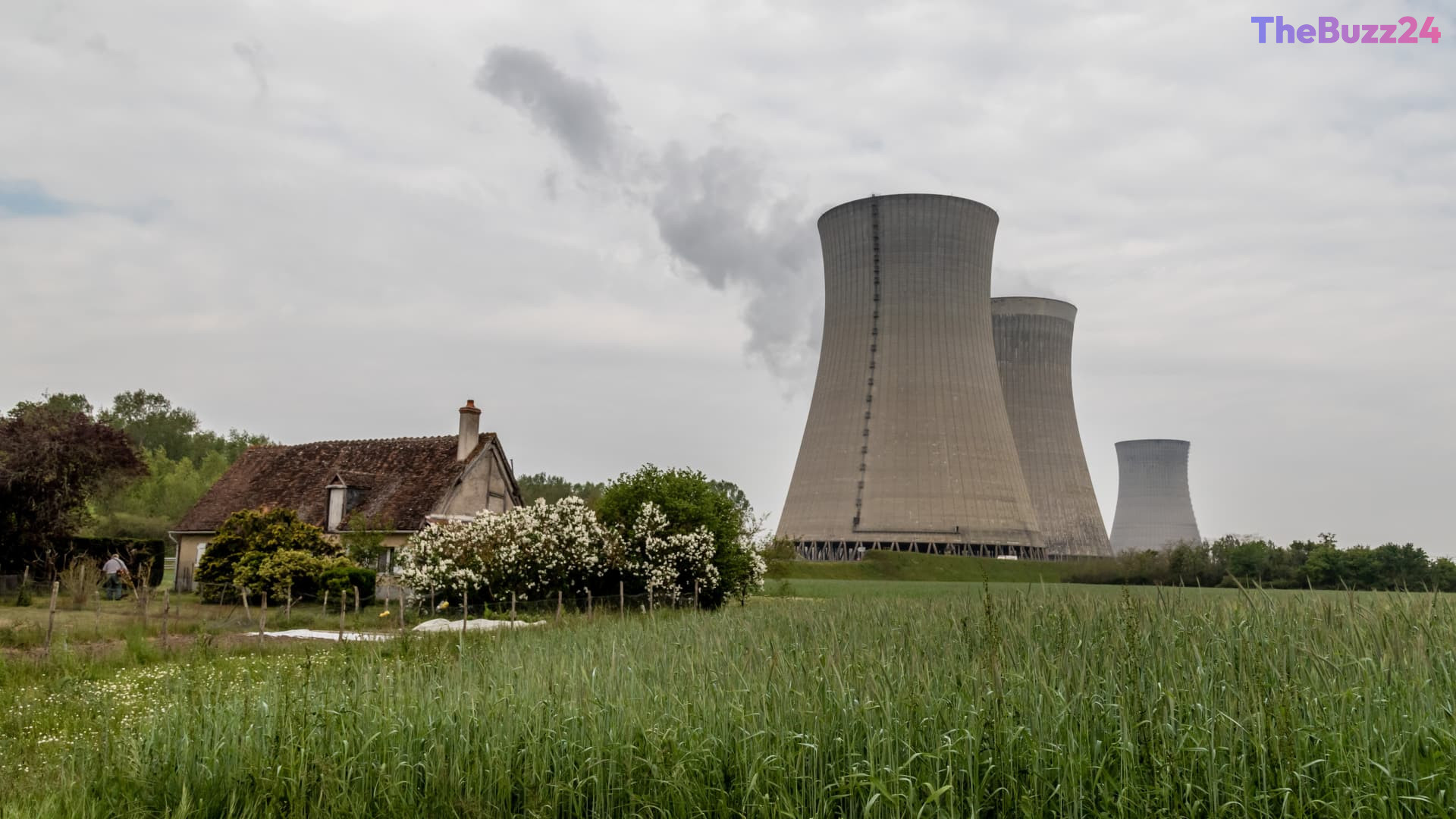
SoftBank has unveiled an ambitious 75 billion euro investment plan to develop artificial intelligence infrastructure in France, signaling a major shift in how global tech giants approach European expansion. The project aims to establish 3.1 gigawatts of data center capacity across the Hauts-de-France region, including sites in Dunkirk, Bosquel, and Bouchain, with a target completion date of 2031. This move highlights France’s strategic appeal, largely due to its heavy reliance on nuclear energy, which provides a more stable and cost-effective power source compared to other European nations currently struggling with high industrial electricity prices.
As the demand for AI processing power surges, the availability of reliable energy has become the primary constraint for Big Tech. With European industrial electricity prices significantly higher than those in the United States, China, and India, data center operators are increasingly prioritizing regions that can guarantee consistent, affordable power. France’s nuclear-heavy energy mix offers a distinct competitive advantage, positioning the country as a primary hub for the next generation of AI infrastructure.
Beyond energy concerns, the broader European landscape remains a magnet for tech talent, particularly in London. Major industry players, including Anthropic, OpenAI, Google, and Nvidia-backed Runway, have recently committed to expanding their footprints in the U.K. capital. This influx of investment underscores a dual-track strategy: securing long-term energy stability through nuclear-integrated data centers while simultaneously clustering operations in established global tech hubs to access top-tier human capital.
To meet the massive power requirements of the coming decade, the industry is increasingly exploring Small Modular Reactors (SMRs). While companies like Amazon and Google have already begun exploring SMR partnerships in the U.S. to bypass traditional grid limitations, the technology remains in its infancy. Experts caution that while SMRs offer a promising solution for decentralized, factory-built power, the lack of operational, non-experimental units outside of specific markets like China and Russia presents a significant hurdle for immediate, large-scale adoption.
Key Takeaways
- SoftBank is investing 75 billion euros to build 3.1 GW of AI data center capacity in France by 2031.
- France's reliance on nuclear power makes it a preferred location for energy-intensive AI infrastructure compared to other European nations.
- Tech giants are exploring Small Modular Reactors (SMRs) to solve long-term power demands, though the technology faces significant deployment challenges.
Editor’s Analysis & Impact
The intersection of AI development and energy policy is rapidly becoming the most critical bottleneck for the technology sector. As data centers evolve from simple storage facilities into massive, power-hungry AI training hubs, the ability to secure reliable, low-carbon, and affordable electricity is no longer just an operational detail—it is a strategic imperative. The shift toward nuclear energy, specifically the interest in SMRs, reflects a broader trend of tech companies moving toward vertical integration of their utility needs. Looking ahead, we expect to see a ‘power-first’ site selection strategy, where the proximity to energy grids and nuclear infrastructure outweighs traditional factors like tax incentives or local market size. This will likely force European governments to accelerate energy infrastructure modernization to remain competitive in the global AI race.
Frequently Asked Questions
Q: Why is France considered a prime location for new AI data centers?
A: France is highly attractive because over 60% of its electricity is generated by nuclear power, which provides a more stable and cost-effective energy supply compared to other European countries facing high industrial electricity prices.
Q: What are Small Modular Reactors (SMRs) and why are tech companies interested in them?
A: SMRs are smaller, factory-built nuclear reactors capable of producing 300 megawatts or less. Tech companies are interested in them because they can be mass-produced, installed faster than traditional reactors, and potentially operate independently of the main power grid.
AI Disclosure: This article is based on verified data and official reports. Our Team and AI have cross-referenced every financial detail with primary sources to ensure total accuracy.
More from this Category