Father Reprimanded After Leaving Seven-Year-Old Son Alone on Mount Fuji to Continue Summit Hike
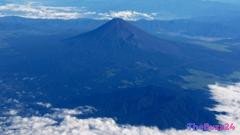
A father has faced severe reprimands from law enforcement after abandoning his seven-year-old son on the slopes of Mount Fuji so he could continue climbing to the summit with his older child. The young boy was discovered by mountain hut staff sitting alone on a bench at the peak’s sixth station, situated at an altitude of over 2,000 meters (6,500 feet). At the time of his discovery, the child was enduring cold, foggy, and rainy weather conditions with only a soft drink and a small snack.
The incident unfolded along the popular Fujinomiya climbing route. According to authorities, the 48-year-old father instructed his younger son to wait behind after the boy complained of exhaustion. Instead of turning back or resting together, the father pressed onward toward the 3,776-meter summit with his elder son. Staff members alerted rescue services after spotting the solitary child at approximately 7:30 a.m. local time. Police eventually tracked the father down at the eighth station, which is located roughly a three-hour hike further up the mountain.
Upon being reunited with his son, the father was sternly lectured by officers, who emphasized that abandoning a child in such a hazardous environment is entirely unacceptable, even if it means abandoning the climb altogether. The father reportedly apologized for his reckless decision. This incident highlights a growing concern over climber safety and preparedness on Mount Fuji, an active volcano and UNESCO World Heritage site that attracts around 200,000 visitors annually.
Mount Fuji has seen a rise in climbing mishaps and rescue operations in recent years, prompting local authorities to implement daily climber caps and trail fees to manage overcrowding. Past incidents include the rescue of a 99-year-old climber who suffered a fall, and a university student who required rescue twice in a single week after returning to the slopes during the off-season to search for a lost phone.
Key Takeaways
- A 48-year-old father left his exhausted seven-year-old son alone at Mount Fuji's sixth station in poor weather to continue hiking with his older son.
- Mountain hut staff rescued the child and alerted police, who tracked the father down three hours away at the eighth station.
- The incident underscores growing safety concerns on Mount Fuji, which sees 200,000 annual climbers and has recently introduced crowd-control measures.
Editor’s Analysis & Impact
This incident on Mount Fuji highlights a critical and growing challenge for Japan’s tourism and outdoor recreation sectors: the phenomenon of underprepared or reckless climbers tackling high-altitude peaks. As Mount Fuji’s popularity has surged—drawing roughly 200,000 climbers annually—local authorities have struggled to balance accessibility with public safety. The decision by a parent to abandon a young child in harsh alpine conditions underscores a troubling lack of awareness regarding mountain hazards. In response to rising rescue incidents, local governments have already begun implementing trail fees and daily climber caps. Moving forward, we can expect even stricter regulations, mandatory safety orientations, and potentially harsher legal penalties for negligence. For the broader travel industry, this serves as a stark reminder that promoting iconic natural landmarks must be coupled with robust visitor education and strict enforcement of safety protocols to prevent avoidable tragedies.
Frequently Asked Questions
Q: What route was the family climbing when the incident occurred?
A: The family was hiking the Fujinomiya route, which begins at the fifth station of Mount Fuji and is highly accessible by public transportation.
Q: What were the weather conditions when the child was found?
A: The seven-year-old boy was found sitting alone in cold, foggy, and rainy conditions at an altitude of over 2,000 meters.
Q: How are authorities managing the high volume of climbers on Mount Fuji?
A: To combat overcrowding and improve safety, authorities have introduced daily climber limits on certain routes and implemented climbing fees.
AI Disclosure: This article is based on verified data and official reports. Our Team and AI have cross-referenced every financial detail with primary sources to ensure total accuracy.
More from this Category